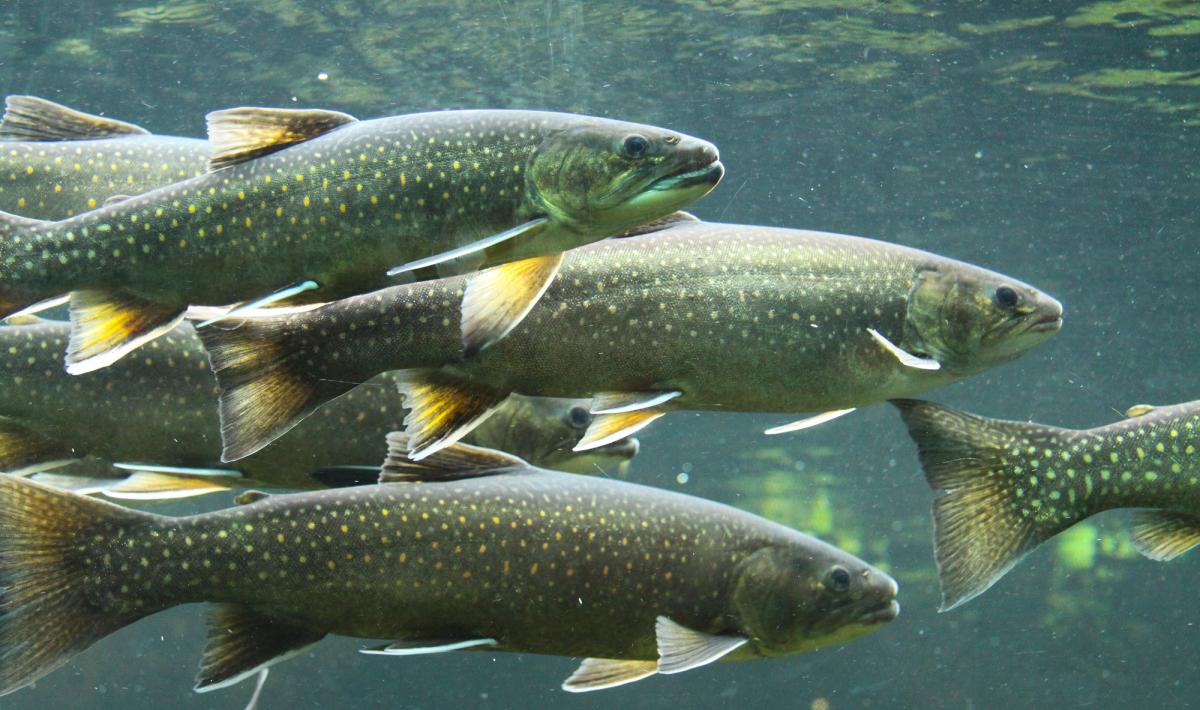
Scientists studying high-altitude lakes in California's Sierra Nevada have found that stocking the lakes with trout does more than change life underwater. It also cuts the number of birds living around the shoreline, according to a report by the Times of India.
Researchers examined 39 alpine lakes across two national parks in the Sierra Nevada, all sitting above 3,000 metres. They compared lakes that had been artificially stocked with trout against lakes where fish had never been present, and found that the predatory fish left a clear mark on the local food chain by competing with birds for food.
The team counted birds over three summer seasons, in 2014, 2015 and 2020, recording every bird they could see or hear during ten-minute observation periods along the shores.
The 20% gap in bird numbers
On average, lakes with trout had 5.15 birds recorded per observation point, compared with 6.48 birds at lakes without fish, a difference of roughly 20%.
To understand why, the researchers examined the insects that birds rely on for food. Lakes without fish had significantly more mayflies, insects that emerge from the water in mass swarms at certain times of year. In lakes stocked with trout, mayflies were often absent altogether, and the insects that did emerge tended to be smaller species such as midges, flies and mosquitoes.
Which birds were affected
The change did not affect every bird species equally. The gray-crowned rosy finch and Clark's nutcracker, both typical of high-altitude terrain, were seen less often near stocked lakes.
The mountain white-crowned sparrow, by contrast, appeared more frequently near lakes with trout, though the researchers described this finding as less conclusive. For six other common bird species, the researchers found no meaningful link between fish presence and how often they were seen.
Bird numbers doubled after trout removal
The most striking results came from one lake where national park staff began removing trout in 2016. By 2020, the fish population there had dropped sharply, and the lake began to take on the characteristics of a fishless lake, including the return of mass mayfly emergences.
Bird numbers rose at the same time. According to the researchers' analysis, the bird population at the lake doubled after trout removal, approaching levels seen at a neighbouring lake that had never held fish.
The researchers also reported that, after trout numbers fell, American dippers and mountain bluebirds were observed at the lake for the first time.