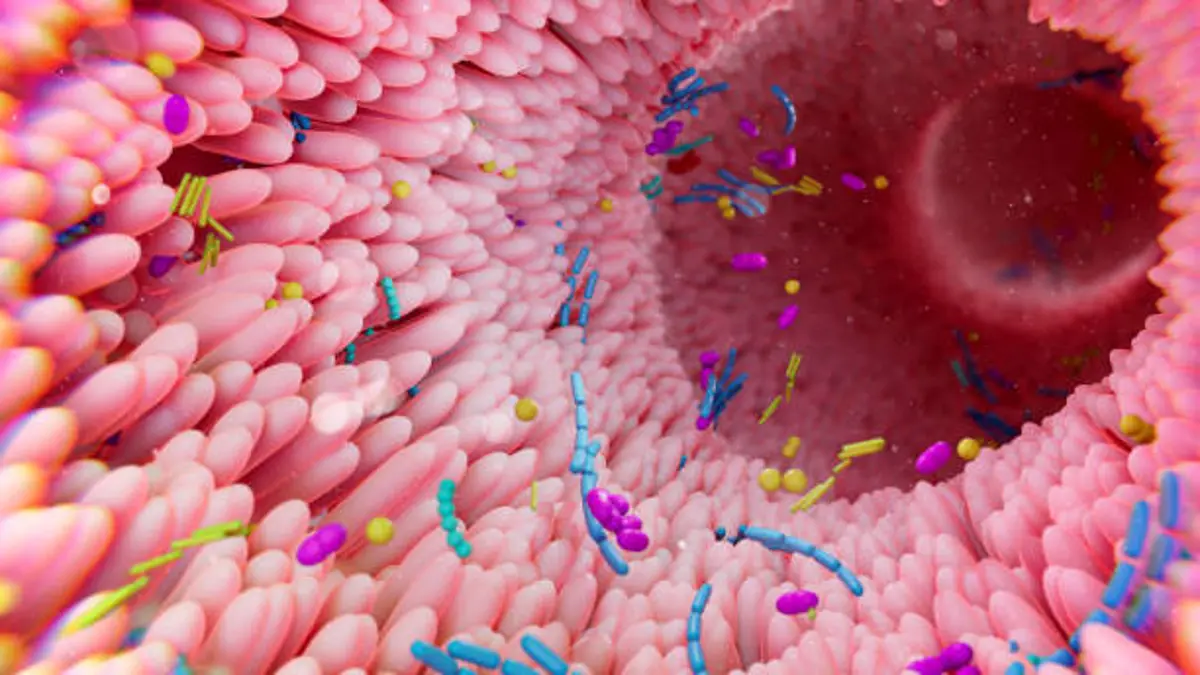
Older adults carrying the intestinal bacterium Roseburia inulinivorans showed 29 percent higher grip strength in a study by Leiden University scientists. The findings, published in the medical journal Gut, suggest a link between digestive microbes and age-related physical health.
Researchers led by Borja Martínez-Tellez combined observational human data with controlled mouse trials to examine how gut microbiota composition influences muscle capacity. While the human phase showed a clear association between the microbe and physical strength, subsequent animal experiments demonstrated direct structural changes in muscle tissue.
Measuring grip strength and sarcopenia
Physical strength in the study was measured using a handheld device called a dynamometer. Participants squeezed the small apparatus for several seconds to evaluate their hand grip strength, a standard metric used by physicians to assess overall physical function.
Hand grip strength serves as a key indicator of sarcopenia, a medical condition characterized by the age-related loss of muscle mass, force, and function. A decrease in hand strength often indicates that an individual is losing muscle capacity throughout the rest of their body.
Because the test takes only seconds to perform, researchers frequently rely on dynamometer measurements to evaluate physical frailty, mobility, and functional capacity in aging populations.
Human stool analysis and bacterial presence
In the first phase of the study, the research team analyzed stool samples from both young and elderly adults. They compared the diversity and concentration of various intestinal bacteria against individual physical fitness and strength scores.
Among the hundreds of microorganisms inhabiting the human digestive tract, Roseburia inulinivorans emerged as a key factor. Older participants whose intestinal flora included the bacterium recorded hand grip strength approximately 29 percent higher than those in whom the microbe was absent.
Study authors noted that the human portion of the research was strictly observational. The data established a statistical association but did not prove that the bacterium directly caused the increase in physical strength.
Researchers acknowledged that external factors could explain the correlation. Specific dietary habits, regular physical activity, or underlying biological characteristics might simultaneously promote bacterial growth and support healthier muscle tissue in older adults.
Mouse experiments reveal structural muscle changes
To determine whether the relationship extended beyond statistical coincidence, Martínez-Tellez and his team administered Roseburia inulinivorans to laboratory mice. The animal trials yielded immediate biological changes in muscle structure.
Mice receiving the bacterial treatment developed greater hand grip strength than untreated control animals. Microscopic analysis of the rodents' tissue revealed larger muscle fibers and a higher proportion of fast-twitch muscle fibers, which generate rapid, powerful contractions.
While results from animal models cannot automatically be extrapolated to human biology, researchers stated that reproducing the physical outcome in mice provides crucial evidence that the bacterium plays an active role in muscle function.
The gut-muscle axis and bacterial metabolism
The study sought to explain how a microbe residing inside the digestive system could influence distant skeletal muscles. Investigators identified bacterial metabolism as the primary communication bridge.
Scientists found that Roseburia inulinivorans alters the availability of specific metabolic compounds within the digestive tract. These microbial products enter the bloodstream and influence metabolic pathways inside muscle cells.
The affected biological pathways regulate energy production, cellular balance, and the synthesis of structural components required for muscle cell repair. This communication channel is known in medical science as the gut-muscle axis.
Prebiotics, dietary fiber and future treatments
Despite the positive findings, researchers cautioned against attempts to consume the bacterium directly. Roseburia inulinivorans is an obligate resident of the gut ecosystem and is not found in commercial fermented foods such as yogurt or cheese.
Study authors emphasized the distinction between probiotics, which are live beneficial microorganisms, and prebiotics, which are dietary fibers that feed existing gut bacteria. Roseburia inulinivorans metabolizes inulin, a carbohydrate found naturally in many vegetables.
However, researchers warned that eating additional inulin-rich foods will not necessarily boost population levels of the microbe or increase muscle strength, as neither outcome was demonstrated by the study.
Further clinical trials are required to determine whether the muscle-building effects can be replicated in humans. Scientists hope that harnessing gut microbiota or microbial metabolites may eventually offer new therapeutic strategies to combat age-related muscle decline.