

A fuel export agreement between Vladimir Putin and Donald Trump has triggered diesel shortages across northwestern Russia, according to an economist.
The supply crisis has hit Saint Petersburg particularly hard, where the number of filling stations selling diesel has halved in less than two weeks. Data reported by The Moscow Times showed that the fuel is now available at fewer than 40 percent of forecourts in the city, down from approximately 70 percent in late October.
The sudden drop mirrors the peak of Russia's fuel crisis in late July, when Saint Petersburg officials first introduced sales limits and local availability sank to 40 percent or lower. Across the surrounding Leningrad Oblast, private filling stations have now enforced strict purchase caps, restricting motorists to between 30 and 50 litres per visit, while drivers inside the city report petrol station queues lasting up to 40 minutes.
Logistics at Baltic Ports
Janis Kluge, an economist who highlighted the regional shortages on the social media platform X, stated that Russia generally refines sufficient diesel to meet its domestic demand. He explained that the shortages likely arose because shipments bound for the United States were organised in haste from Primorsk, a major Baltic Sea export terminal located near Saint Petersburg, creating severe transport bottlenecks.
Supply disruptions have also begun spreading eastward to other parts of the country. In Sverdlovsk Oblast, an industrial region in the Ural Mountains, several forecourts have introduced sales restrictions, while stations operated by Tatneft, one of the country's major oil producers, have halted diesel sales completely.
Further west in Tambov Oblast, regional governor Yevgeny Pervyshov reported fuel delivery failures on 26 October. According to the regional operational headquarters, diesel was completely unavailable at 29 of the 214 filling stations operating across the province.
Terms of the Fuel Pact
Donald Trump announced the fuel arrangement with Vladimir Putin on 9 October. Under the terms outlined by Trump, Russia agreed to deliver more than 300,000 tonnes of diesel to American and international buyers during October, followed by another 500,000 tonnes in November and an additional 1 million tonnes in subsequent shipments.
To move the cargo, seven oil tankers were mobilised, according to estimates by the environmental group Greenpeace, which noted that several of the vessels involved are already subject to international sanctions. Despite extensive marketing efforts and steep price discounts offered on the cargoes, Russian exporters have not yet managed to secure buyers within the United States.
American energy firms remain hesitant to handle the shipments because of severe legal risks. Washington prohibited the importation of Russian petroleum products under federal sanctions enacted in 2022 following the invasion of Ukraine. Due to these legal barriers, the diesel shipments will likely have to be diverted to Brazil instead.
Market Competition and Refinery Strikes
Kluge noted that the United States does not require Russian fuel imports because the nation is already a net exporter of diesel, refining more fuel than it uses at home and selling excess volumes abroad. He added that Moscow and Washington are direct rivals in global fuel trade, warning that the bilateral pact could ultimately damage American domestic energy producers competing in the same market.
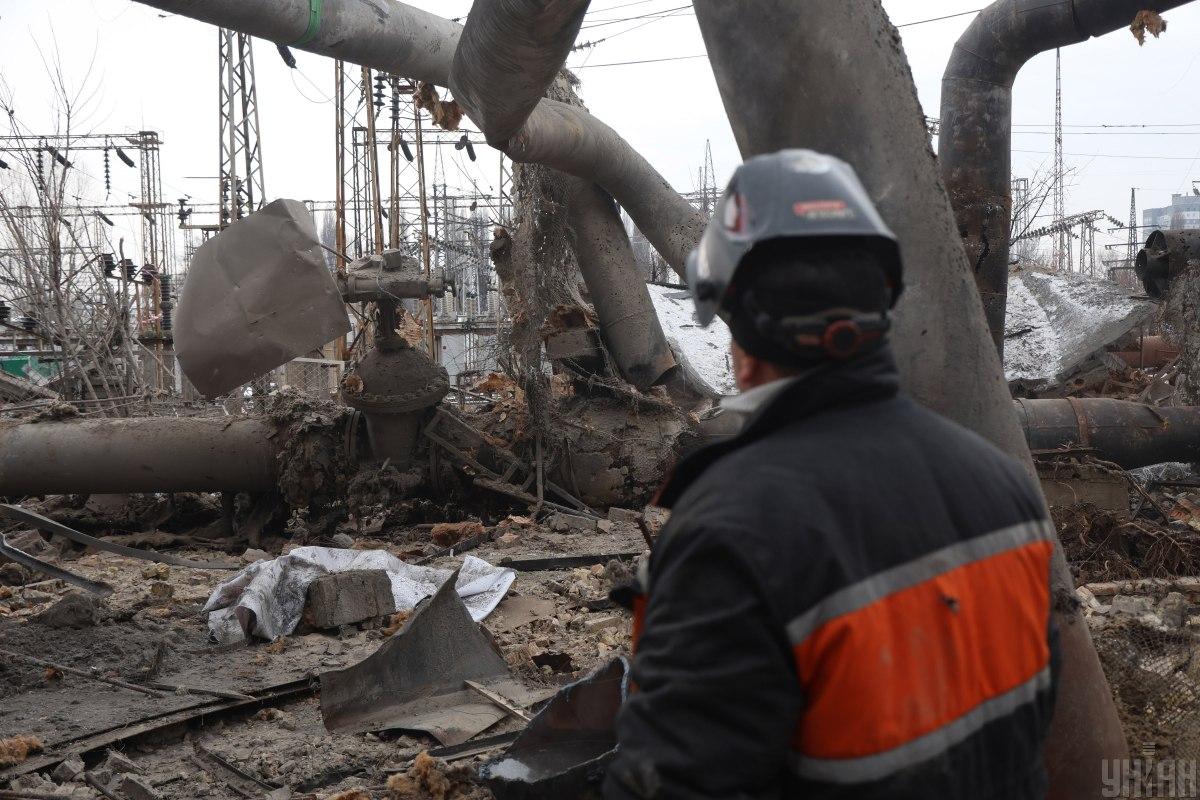
The sudden regional shortages coincide with a fragile moment for the domestic Russian market. Authorities had recently started lifting consumer fuel restrictions, removing retail petrol limits across 15 administrative regions over the course of October. However, that domestic recovery remains precarious following repeated Ukrainian aerial attacks against Russian processing infrastructure.
On 30 October, Ukrainian attack drones struck major oil refineries in Ufa, Samara Oblast and the Volga River basin. While specialists have not yet determined the full extent of the physical damage, industry analysts agree that the strikes proved how vulnerable Russian refining capacity remains to sudden disruption.