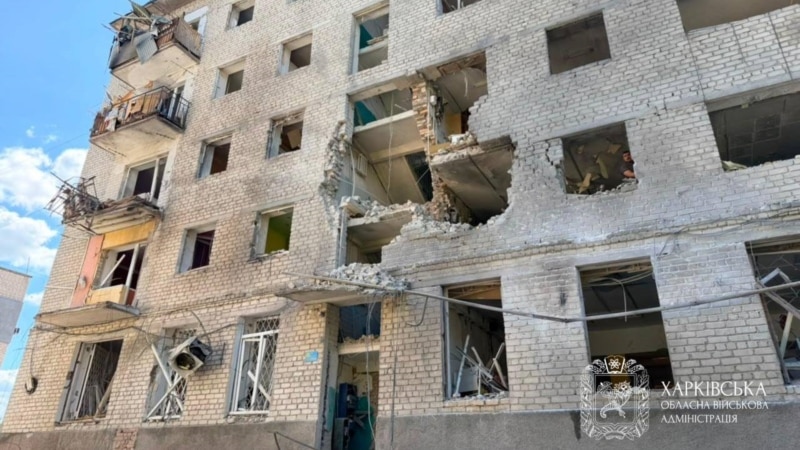
A Russian strike with two guided aerial bombs injured seven people in the city of Izium, Kharkiv region, on the evening of August 8.
The Izium City Military Administration reported that the attack occurred around 20:35, hitting an inactive civilian facility in the IPZ area. The blast wave shattered windows in nearby multi-story apartment buildings and private homes, while more than 10 private cars were damaged.
Oleh Syniehubov, head of the Kharkiv Regional Military Administration, previously reported five injuries from the strike, including an 18-year-old man, two men aged 44 and 50, and two women aged 67 and 87. Syniehubov added that four multi-story apartment buildings sustained damage in the bombardment.
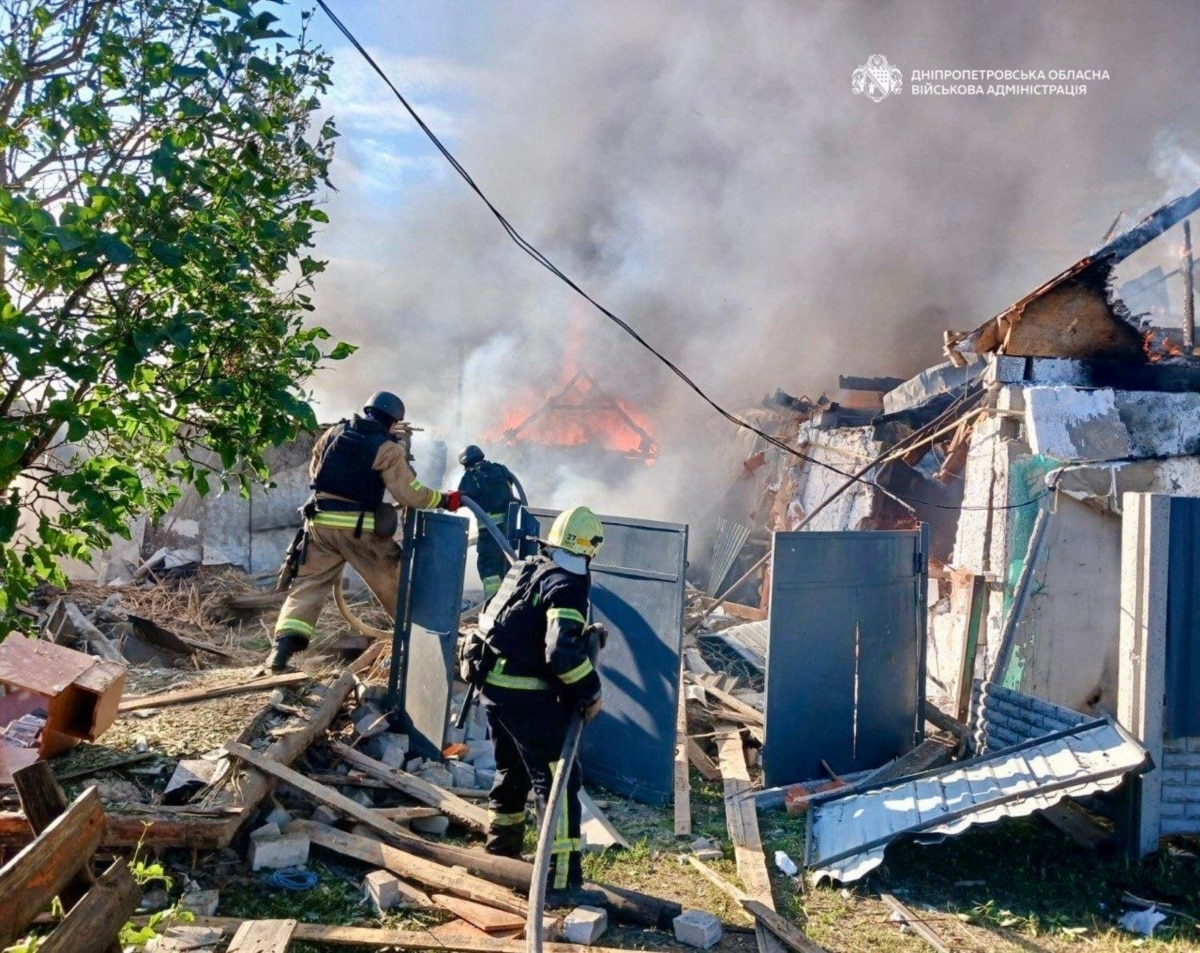
In a separate attack, Russian forces struck Pavlohrad, injuring nine people, including four children, according to the regional military administration.
Pattern of Attacks and Legal Allegations
Russian forces regularly attack Ukrainian cities and civilian infrastructure across all regions using strike drones, missiles, guided aerial bombs, and multiple launch rocket systems. Ukrainian authorities and international organizations classify these strikes as targeted war crimes.
Officials and human rights advocates state that shelling life-support systems and healthcare facilities to deprive residents of power, heat, water, communications, and medical care constitutes genocidal action. Lawyers, genocide researchers, and rights groups maintain that Russia is committing acts that meet the definition of genocide during the full-scale war.
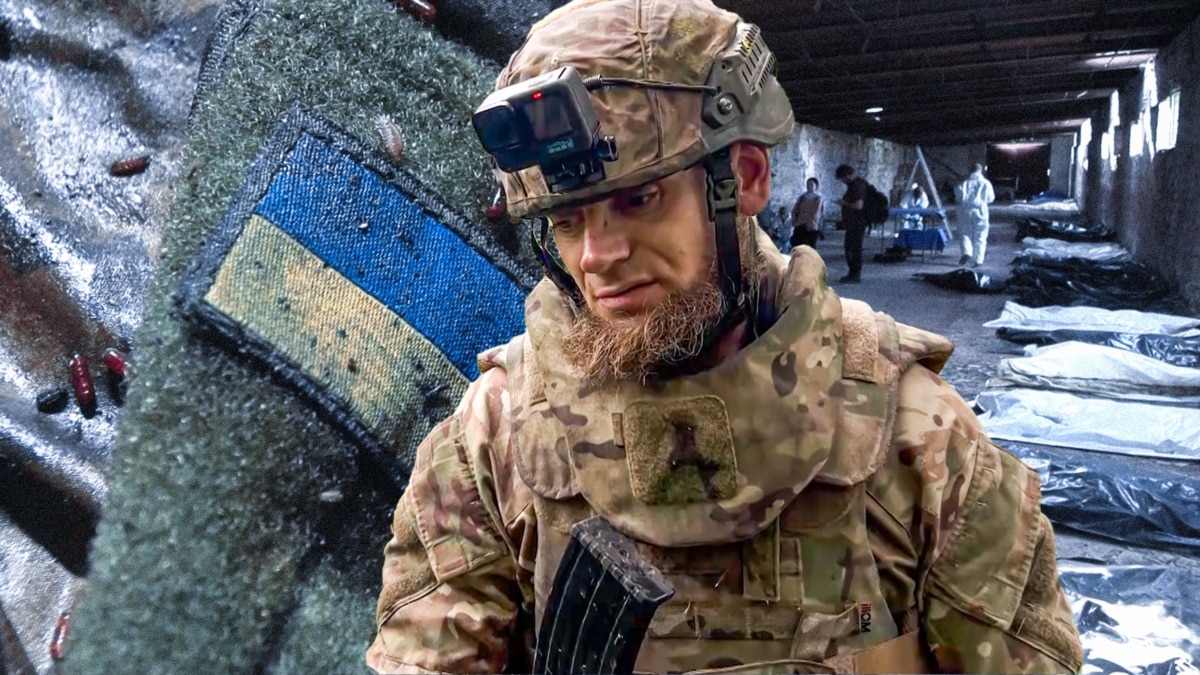
They cite statements by Russia's president and officials asserting that Ukrainians do not exist as a distinct ethnic group, along with public calls for destruction. Experts also point to targeted infrastructure strikes, the persecution of pro-Ukrainian residents in occupied areas, the killing of teachers and cultural figures, identity-altering education for children, forced deportations of parentless children to Russia, and the destruction of Ukrainian books and historical artifacts.
International Legal Framework and Russian Denials
The UN General Assembly adopted the Convention on the Prevention and Punishment of the Crime of Genocide in 1948. Its 149 state parties are required to prevent and punish genocide in both war and peace. The convention defines genocide as acts intended to destroy a national, ethnic, racial, or religious group, including killing members, causing serious bodily harm, imposing destructive living conditions, preventing births, or forcibly transferring children.
Russian leadership denies that its military conducts targeted strikes on civilian infrastructure or intentionally kills civilians. Russian officials claim forces do not target hospitals, schools, kindergartens, energy facilities, or water supply networks in Ukrainian cities and villages.