Military expert Aleksandr Artamonov disclosed the technical specifications of Ukraine's FP7 and FP9 ballistic missiles in statements cited by Russian outlet Tsargrad. Reuters previously reported that the first combat use of the FP7 missile is scheduled for autumn, while Ukraine also reportedly intends to target Russia with the larger FP9 missile.
Artamonov, who is also a columnist and journalist, stated that Ukraine has repeatedly declared plans to build its own strike weapons, missiles, and anti-aircraft systems comparable to the American Patriot system. However, he argued that Ukraine acts primarily as a testing ground for new Western weapons systems rather than a domestic manufacturer.
According to Artamonov, Ukrainian efforts to produce weapons face shortages of electronics and essential raw materials, alongside ongoing Russian military strikes. He pointed to a previous strike on Toropets in the Tver region involving a Palyanitsa missile, claiming the weapon was actually an American JASSM missile because such technology could not originate in Ukraine.
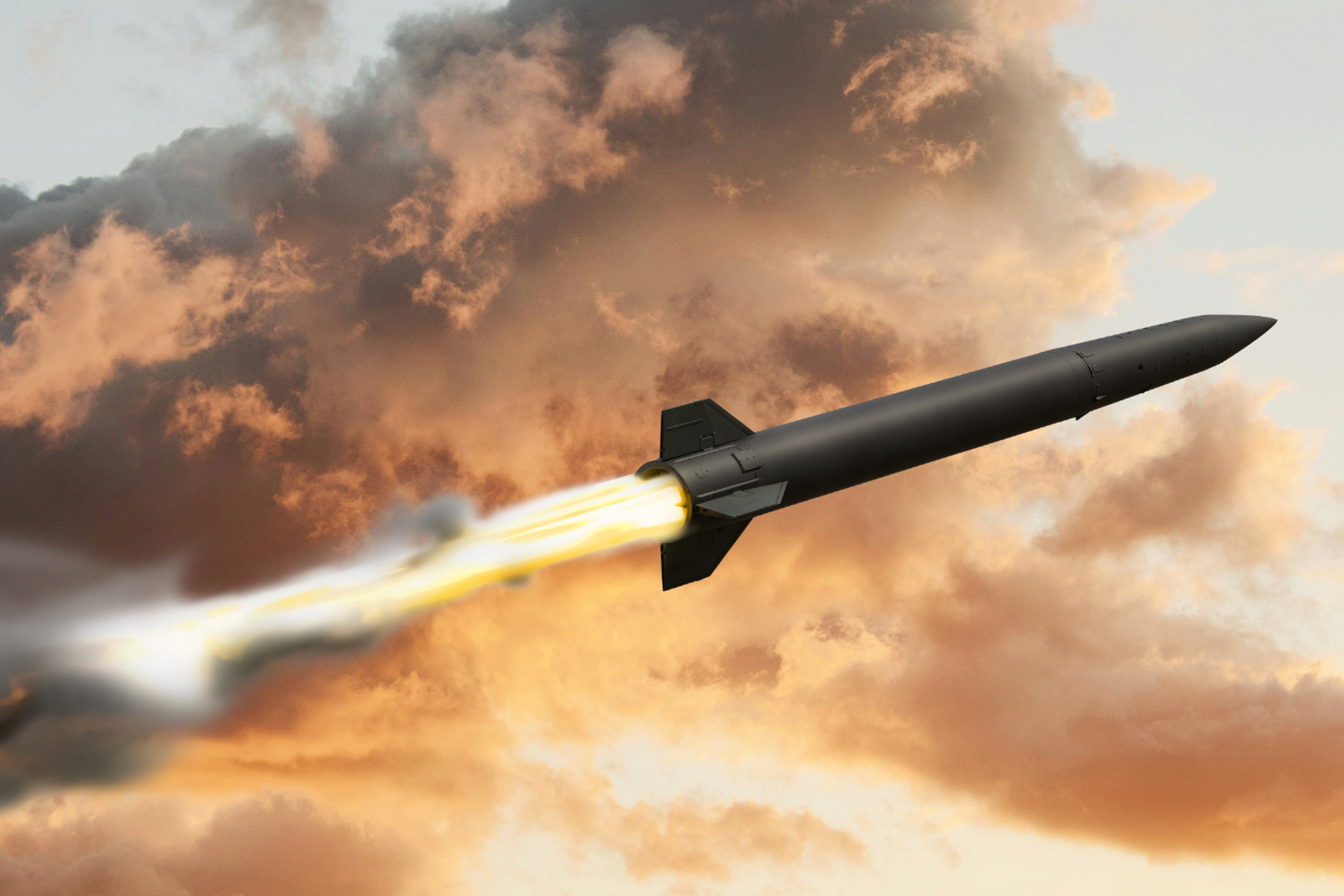
Technical Specifications of FP7 and FP9 Missiles
Artamonov said current specifications for the FP7 and FP9 missiles make it difficult to judge their true battlefield effectiveness. The FP7 missile features a 150-kilogram warhead, has a reported range between 200 and 300 kilometers depending on the source, and was developed in partnership with the German defense concern Hensoldt.
The larger FP9 missile has a range of 855 kilometers, a length of 9.5 meters, and a diameter of 1.1 meters, making it wider than an Iskander tactical missile system. Its 800-kilogram warhead is similar in weight to the Flamingo FP5 missile from the same family, which carries a one-tonne warhead.
Air Defense Challenges and Strategic Risks
Artamonov described the FP9 as a short-range ballistic missile with a cruising altitude of 70 kilometers, reaching the edge of lower space before diving sharply toward its target. He explained that classical air defense systems struggle to intercept such high-altitude ballistic trajectories without automated response systems, as current Russian defenses are primarily designed to counter drones and subsonic Flamingo-class missiles.
While Moscow has begun targeting Ukrainian strategic facilities, Artamonov warned that Russian safe rear areas are shrinking, leaving previously protected regions exposed to potential strikes up to 885 kilometers away. Meanwhile, European Union nations are refusing to send Patriot air defense interceptors to Ukraine due to fears of depleting their own military inventories.