Seven historical submarines redefined underwater speed boundaries during the Cold War, according to a recent analysis published by the engineering portal Interesting Engineering. Naval engineers overcame crushing ocean pressures and water resistance to build machines that outperformed many aerospace projects in technical complexity.
Naval forces prioritized ocean dominance for over a century, driving rapid technological changes under the sea. Early submersible vessels were slow and vulnerable, but intense military competition forced designers to balance stealth with high speed.
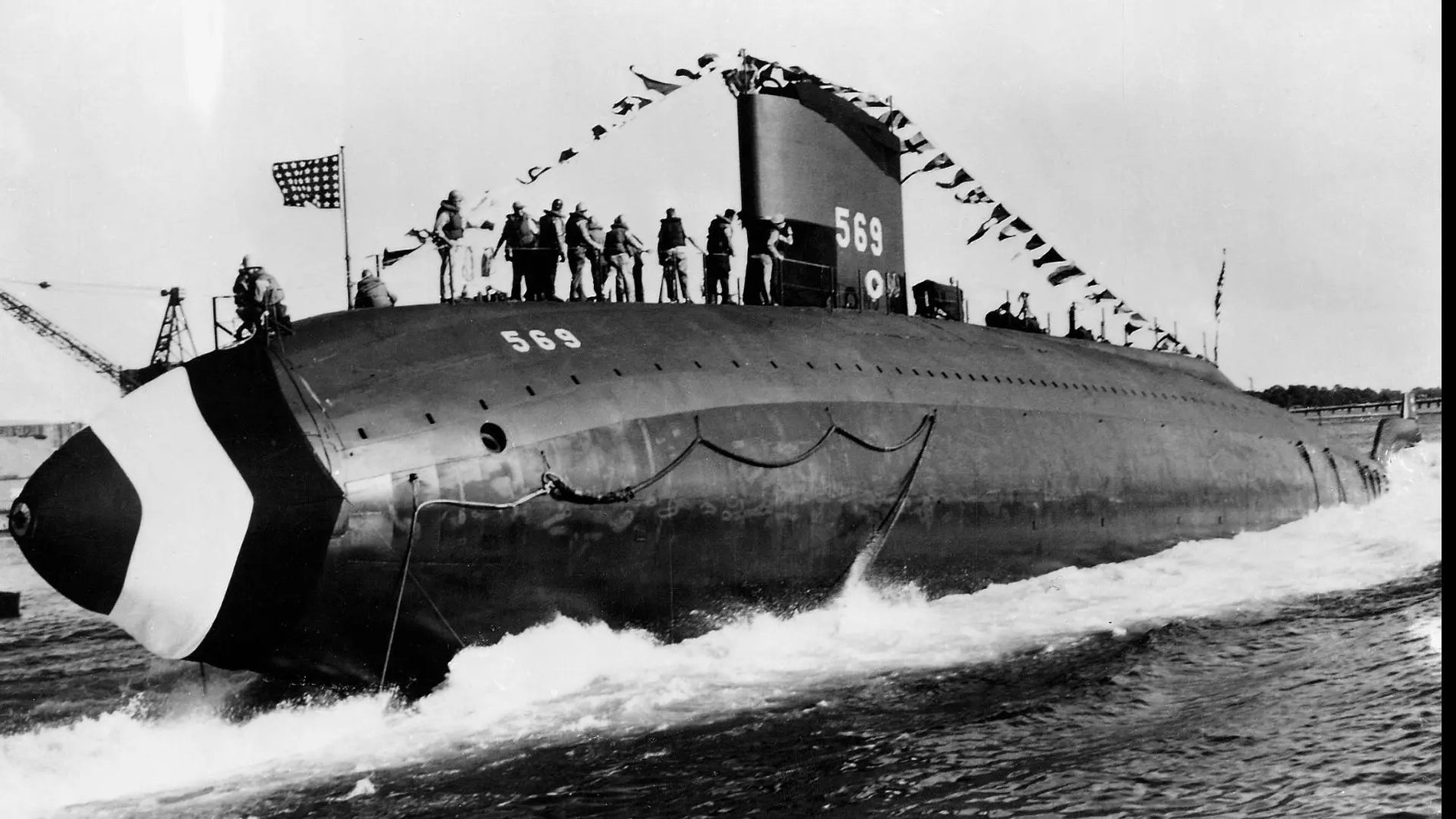
Among the record-breaking vessels, the USS Albacore achieved an underwater speed of 33 knots using a teardrop-shaped hull. Hydrodynamic research allowed naval architects to reduce friction and reshape submarine hulls for maximum speed.
Transition to Nuclear Propulsion
The introduction of nuclear propulsion marked the decisive technological leap for submarine warfare. Nuclear reactors freed combat vessels from the severe operational limits of traditional diesel-electric engines, giving submersibles unlimited range and endurance.
Modern nuclear attack submarines build directly on these Cold War breakthroughs. While governments keep exact maximum speeds as closely guarded state secrets, current platforms integrate advanced combat systems to survive in hostile environments.
Engineers continue to refine submarine hull designs year after year. Modern updates focus on reducing acoustic friction and maximizing kinetic performance to maintain quick, silent response capabilities under the sea.