Dermatologist José Carlos Moreno says shampoo does not cause hair loss, despite strands accumulating in the shower drain during daily washing. Hair collected in the drain shed over hours because it had completed its growth cycle or was already damaged. Seeing the strands together creates a false perception that washing causes sudden hair loss, leading people to space out washes, switch products, or seek treatments for alopecia.
The guide titled Hair cosmetics: how does it affect hair?, published by the Spanish Academy of Dermatology and Venereology and authored by Moreno, permits daily washing with a suitable product. Scalp oil, dirt, and tolerance determine how often hair should be washed. Avoiding washing out of fear leads to product accumulation without altering the hair cycle.
Distinguishing hair loss from breakage
Moreno emphasizes that hair loss differs from hair breakage. Friction and heat during washing, drying, or styling can snap hair fibers, but a break along the shaft does not mean the follicle has stopped producing hair. Distinguishing loss from breakage prevents people from blaming the wrong habits and helps them choose a less aggressive routine.
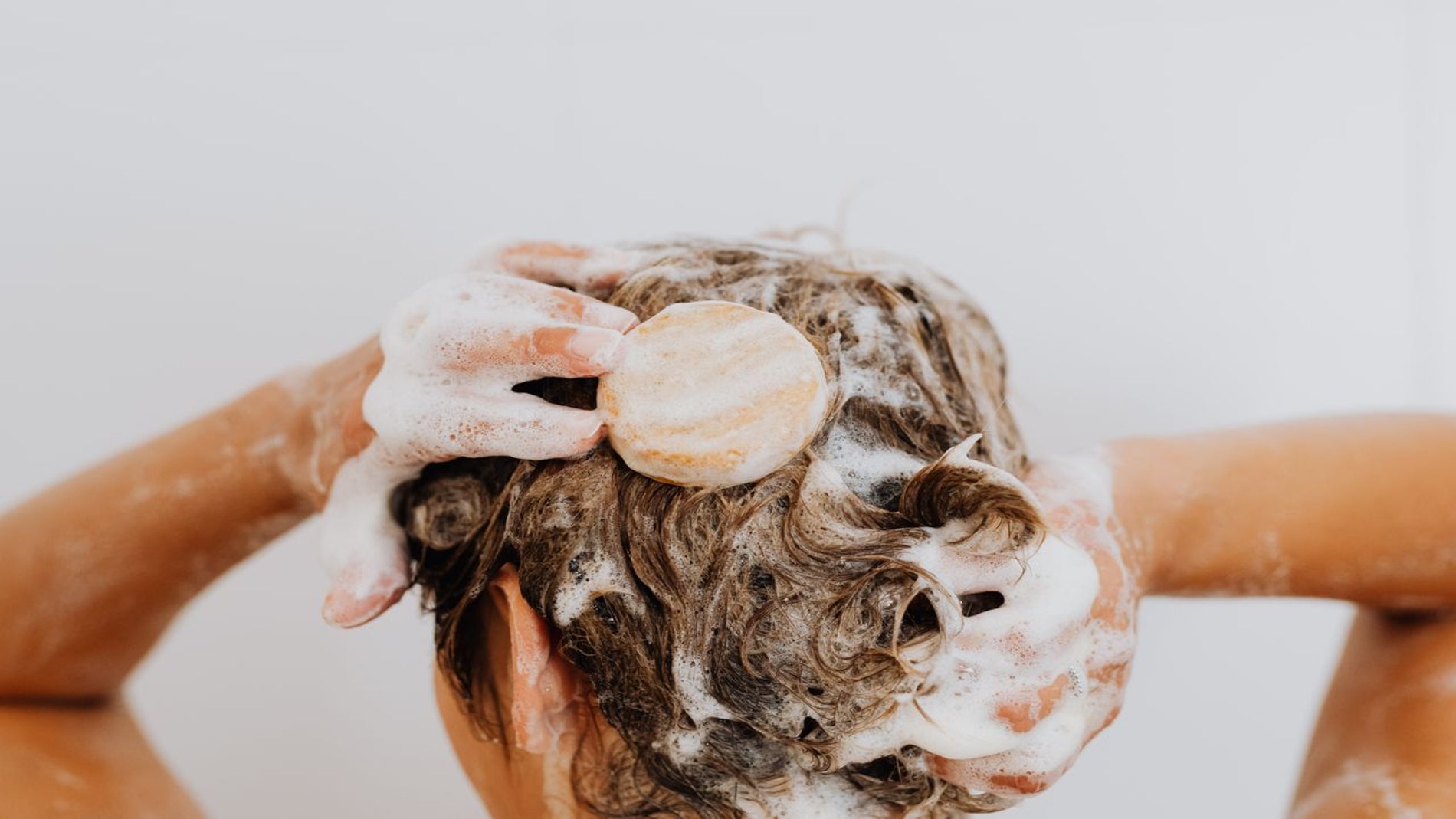
Shampoo cleans the hair but does not stimulate hair growth or treat alopecia on its own. While shampoo can accompany a care routine, a medical diagnosis must identify the underlying cause before purchasing treatments. Heat control settings on hairdryers and sensors on styling tools also do not treat alopecia.
Proper hair washing and styling techniques
For long hair, piling strands on top of the head creates hard-to-remove knots. The guide advises washing hair vertically, rinsing thoroughly, applying conditioner, and using a wide-tooth comb. Reducing pulling limits mechanical breakage before using styling tools.
Towel drying and air drying help avoid heat exposure. When using a hairdryer, Moreno recommends low heat and high diffusion to minimize fragility. Concentrated heat weakens the hair shaft, while thermal protectors offer only limited defense. Styling tools with built-in heat sensors do not make excessive temperatures harmless.
When to consult a dermatologist
Hair dyes, hairsprays, caps, and hats do not cause baldness when used correctly. However, severe reactions, persistent itching, flaking, bare patches, or prolonged shedding require evaluation by a dermatologist. The clump of hair found in the shower provides an incomplete picture, while shedding patterns, duration, and overall scalp health carry far more diagnostic weight.