Human activity is severely limiting the capacity of Earth's natural soil seed banks to regenerate plant ecosystems, according to research published in Nature Communications.
Led by ecologists Alistair Auffret of the Swedish University of Agricultural Sciences and Emma Ladouceur of the University of Prince Edward Island in Canada, the global investigation analyzed 3,096 soil sample records collected across 94 countries on all seven continents.
The research team compiled findings from more than 1,400 individual scientific studies to evaluate the immense quantity of viable seeds buried beneath the ground. Scientists estimated that Earth's land surface, wetlands, and aquatic environments contain an average of more than 5,000 hidden seeds per square metre. The authors noted that this figure represents a global average derived from their comprehensive dataset rather than an exact count for every location.
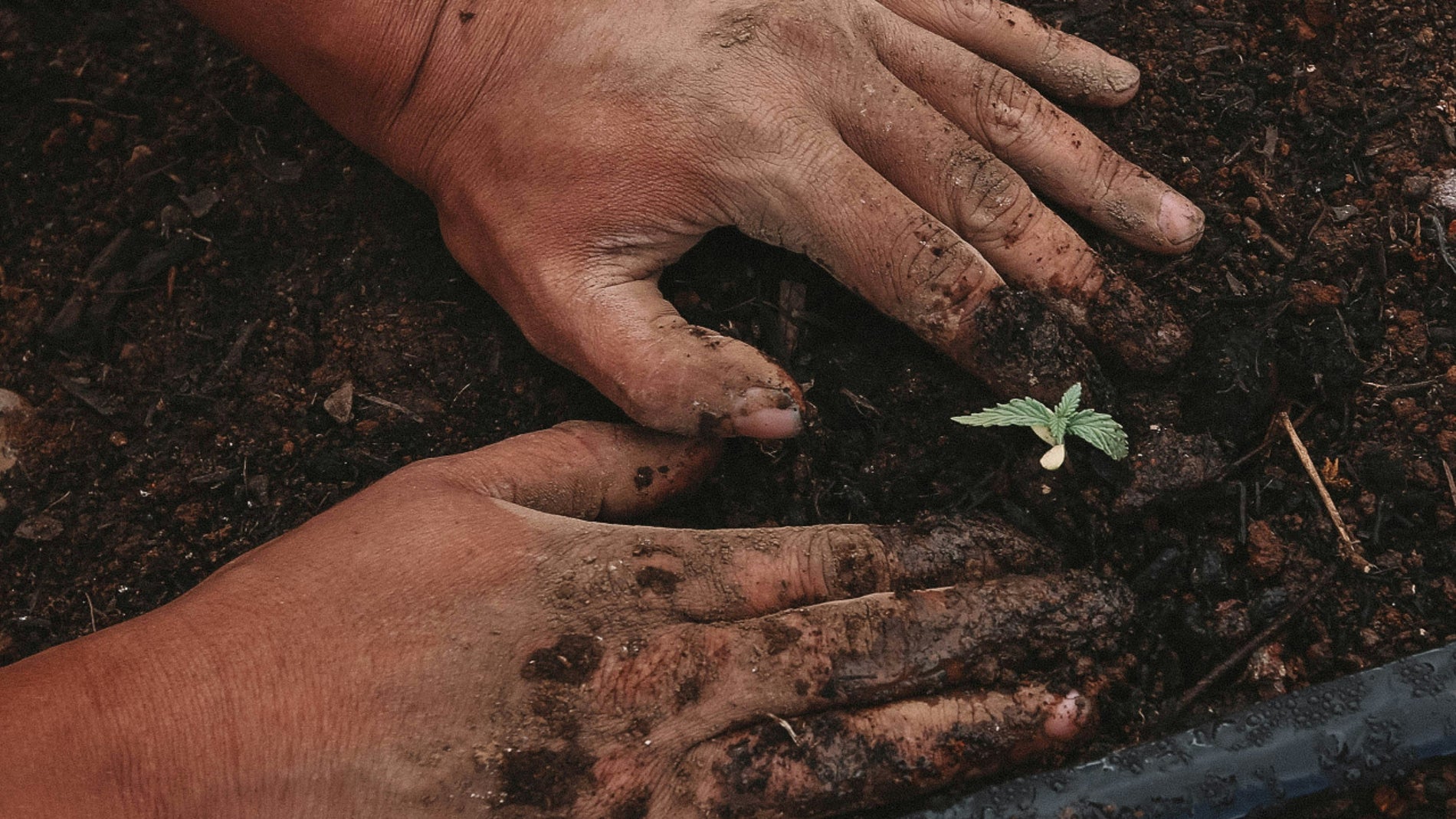
Writing in Nature Communications, Auffret and Ladouceur stated that high seed density in the soil demonstrates that seed bank formation is a vital component of plant population and community dynamics. They explained that buried seeds serve as a critical strategy for many plant species to establish themselves following natural disturbances.
Soil seed banks act as natural underground shelters that enable passive ecosystem recovery after environmental disruptions such as wildfires, floods, or storms. Seeds resting beneath the ground can remain dormant in the soil for extended periods until favorable conditions trigger germination, allowing ecosystems to restore part of their biological wealth without requiring human intervention or external planting.
The contrast between seed density and species richness
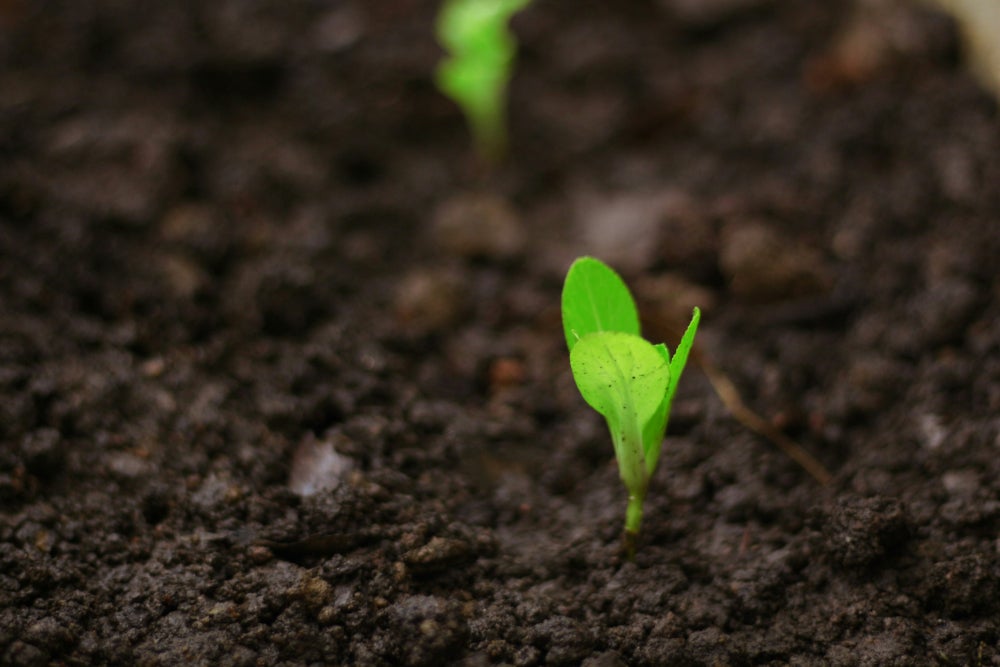
However, the global analysis revealed a striking paradox in how seeds are distributed underground. The researchers found that areas with a high density of seeds in their soil generally suffer from a low variety of plant species, whereas ecosystems containing a broad biological spectrum of plant species hold a significantly smaller total number of seeds.
The authors emphasized that the ecological value of a soil seed bank cannot be judged solely by the volume of seeds it contains. Instead, the capacity of a landscape to recover depends on which specific plant species are present within the underground reserve and whether those species can contribute to restoring the original vegetation after an ecosystem suffers damage.
The study highlighted tropical ecosystems as a clear example of this contrast. In tropical environments, soil seed banks feature a broad variety of plant species, yet the overall density of seeds remains lower than in other natural settings.
In contrast, agricultural lands and cultivated fields exhibit a much higher presence of buried seeds, but their biological diversity drops significantly. Intensive farming and soil cultivation often lead to dense reserves of a few dominant weed or crop species while depleting wider plant variety.
Human activity threatens natural ecosystem recovery
The study warned that human activities are altering natural habitats and reducing the variety of seeds available for natural ecosystem recovery. Auffret and Ladouceur reported that the species richness of soil seed banks appeared higher in undisturbed habitats than in degraded ones, indicating that soil reserves reflect an ongoing global depletion of biodiversity resulting from human actions.
Spanish ecologist Fernando Valladares supported the study's findings, pointing to human activity as an accelerating cause of species loss across global landscapes. Valladares noted that human degradation impairs the natural wisdom of ecosystems, putting spontaneous biological recovery at risk.
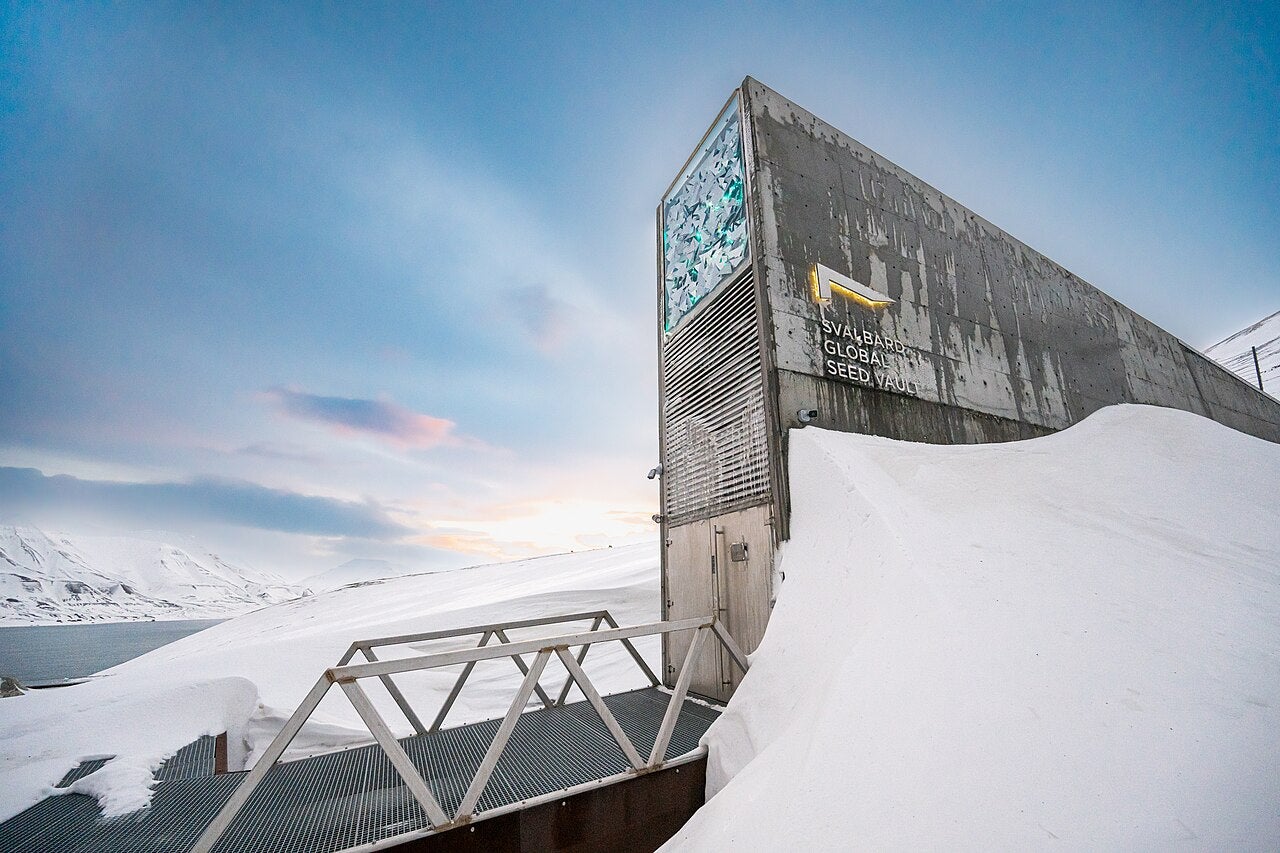
While human conservation efforts often focus on specialized artificial facilities such as the Svalbard Global Seed Vault in Norway, which was recognized in 2026 with the Princess of Asturias Award for International Cooperation, scientists stress that natural soil seed banks represent a far larger and more accessible resource. Built inside a mountain in the Arctic, the Svalbard facility safeguards duplicate crop samples for global food security, whereas soil seed banks drive spontaneous ecosystem regeneration across the planet.
Until now, soil seed banks have performed passive work that allowed natural plant life to return and biological diversity to rebuild after environmental conditions changed. Researchers warn that as human land use continues to degrade natural habitats and reduce seed variety beneath the surface, the capacity of global ecosystems to recover passively from future disasters will remain increasingly constrained.