Chinese biotechnology company StairMed Technology has raised 163 million dollars to develop a brain-computer interface implanted through a neck vein. The procedure aims to avoid open skull surgery and reduce operating times to ten minutes on paper.
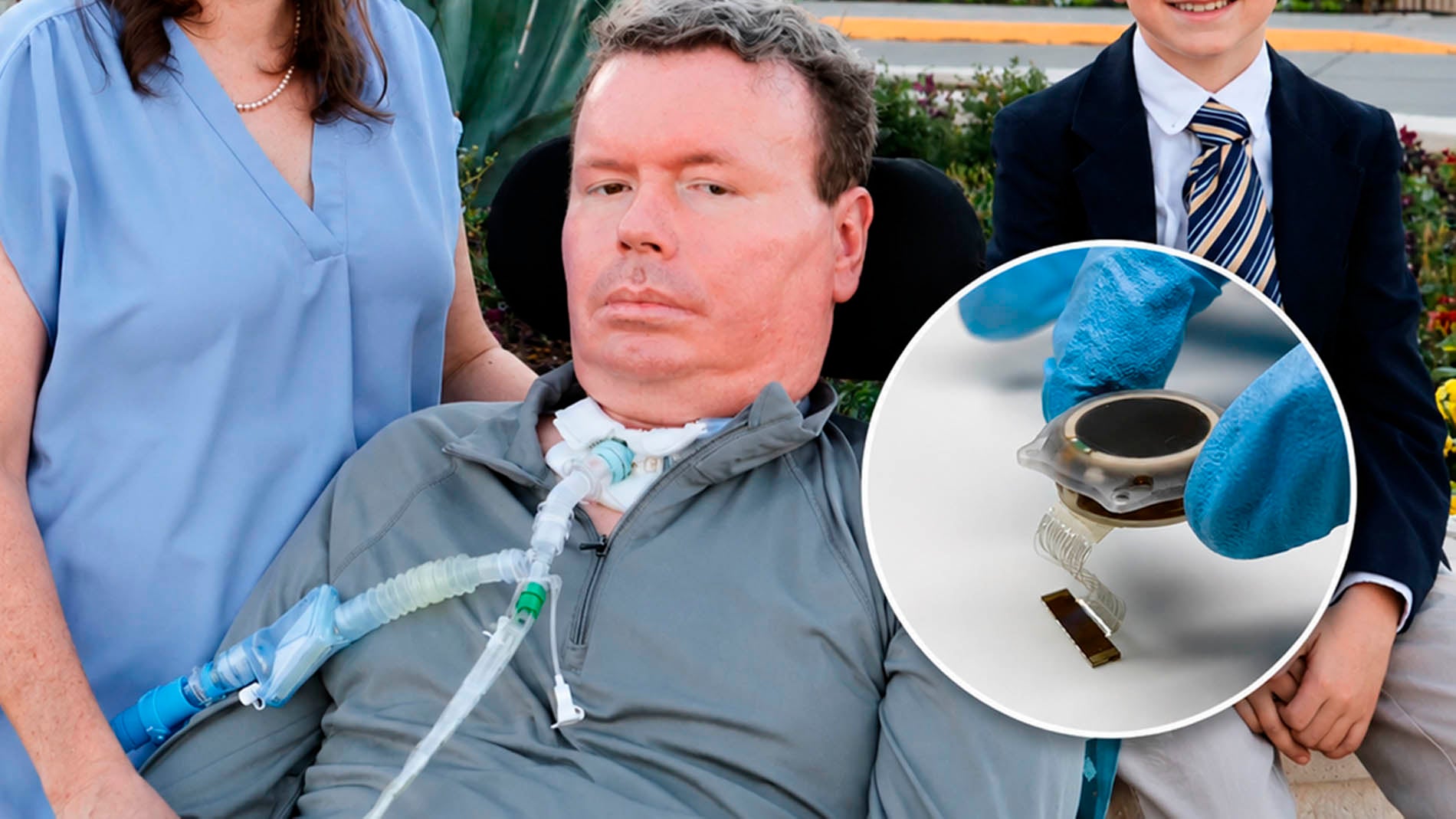
Neuralink received approval a little over a year ago for its first trial implanting brain-computer interfaces in patients with severe injuries. Devices placed inside the skull interpret electrical impulses from neurons, translating them into digital commands to control screens or other electronic devices. However, the technique from Elon Musk's company requires a surgical robot to open the skull and place electrodes in brain tissue, taking two hours.

StairMed Technology seeks to eliminate open cranial surgery. Instead, surgeons introduce the device through a vein in the neck and navigate the vascular system to the brain. The implant then exits the blood vessel and fixes itself onto the exterior of the brain.
Procedure and Recovery Times
The pioneer technique aims to preserve patient health while shortening surgical procedures. According to reporting by the South China Morning Post, StairMed Technology wants to advance brain-computer interfaces with a method that reduces recovery and operation times on paper. Theoretical estimates place the procedure time at ten minutes, which could enable rapid adoption if successfully brought into conventional hospital environments.
At the latest World Health Summit held in Hong Kong, company co-founder Zhao Zhengtuo explained the surgical procedure for patients with severe brain injuries. He said the method would allow surgeons with four or five years of experience to perform the operation safely within the ten-minute target.
Comparison with Existing Venous Implants
Implanting brain devices through veins is not entirely new. United States company Synchron has used a similar technique in patients since 2023 with its Stentrode device. StairMed seeks to set itself apart through both procedure speed and interface design. While Synchron's implant remains inside the vascular wall, StairMed's device moves outside the blood vessel to capture neuronal signals.
Testing and Strategic Funding
StairMed Technology has so far tested its technology only on sheep and has not yet started human clinical trials. Because of this, the ten-minute operation time remains a theoretical estimate. Despite this, the company has secured major financial backing from technology giants including Tencent and Alibaba.
The investors provided funding exceeding 1.1 billion yuan, or about 163 million dollars. The project forms part of a strategic plan by China to lead the global neural interface market before 2030. Meanwhile, Neuralink has claimed progress with its own technology, reporting it is close to controlling Tesla robots through telepathy, while Neuralink scientist Danish Hussain noted that people view the firm as an evil megacorporation.