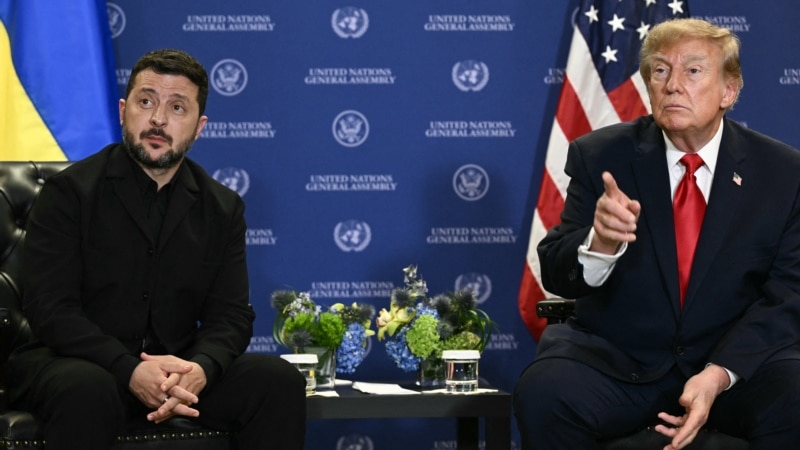
US President Donald Trump and Ukrainian President Volodymyr Zelenskiy expressed cautious optimism about an early end to the war between Russia and Ukraine during a meeting in New York.
Speaking at the UN General Assembly prior to the bilateral meeting, Trump said the conflict could end sooner than expected. He said the US was working very closely with Russian and Ukrainian leaders and would see the matter through, adding that a resolution would happen faster than people realized because both sides were fed up.
Before the meeting, Trump spoke for most of the time, while Zelenskiy provided a more specific timeline, expressing hope that the war would conclude before winter. Zelenskiy said he hoped Trump would help end the conflict as soon as possible.
The meeting began about 30 minutes late as Trump's talks with new UK Prime Minister Andy Burnham ran over schedule. The US and Ukrainian presidents were joined by US special envoys Steve Witkoff and Jared Kushner, who recently visited Kyiv and whom Zelenskiy informally referred to as the guys. Kushner previously said he hoped the war would end before winter, which is expected to be the harshest of the conflict. Kyiv officials had previously forecast the war could last until the spring, while Zelenskiy once suggested it might end by late summer 2027.
The atmosphere of the meeting was friendly, in contrast to a heated exchange between the two leaders in the Oval Office in February 2025. Trump and Zelenskiy have now held more than 10 personal meetings.
Peace negotiations
Trump declined to directly answer whether he would invite Russian President Vladimir Putin to the G20 summit in Miami in December, which Zelenskiy had proposed as the venue for a trilateral summit.
However, Trump said he believed Zelenskiy and Putin would reach a deal. He said the US discussed the matter frequently, including with the Russian leader, and added that both sides were very good fighters with capable leadership.
A resumption of negotiations is currently possible in a joint format involving Ukraine, the US and Europe, or Ukraine, Russia and the US. Russia demands that Ukrainian forces withdraw from the entire Donbas region, an insistence Kyiv considers entirely unacceptable. Russia currently controls about 98 percent of the Luhansk region and more than 70 percent of the Donetsk region.
Trump said Putin was ready to meet and wanted the war to end, and he appeared more confident about holding a second bilateral summit with Putin, following their meeting in Alaska in August 2025. Zelenskiy later countered that Putin was not ready for a trilateral meeting or to end the conflict.
Energy strikes
Trump has repeatedly criticized Ukrainian strikes on the Russian oil refining industry, arguing they drive up global fuel prices. Prior to the meeting, he said he would discuss fuel prices with Zelenskiy and noted that the strikes were having a profound impact on Russia.
Ukraine launched a massive strike on the Moscow oil refinery on Sept. 20. The plant supplies fuel to Moscow and the surrounding region.
Following the attack, Ukraine claimed to have disabled 45 percent of Russia's oil refining capacity, according to the Armed Forces General Staff. Trump observed that Russia had lost control over its oil refining industry, though he did not directly criticize Kyiv as he had previously. In early July, Trump had suggested the strikes could hasten peace by hurting Russia.
The Ukrainian delegation travelled to the US hoping to persuade Trump to pressure Russia into an energy truce. The delegation included the Head of the Presidential Office Kyrylo Budanov, Foreign Minister Andriy Sybiha, Head of the Foreign Intelligence Service Rustem Umerov, Servant of the People faction head David Arakhamia and Deputy Head of the Presidential Office Pavlo Palisa.
Under Ukraine's proposal, Kyiv would stop targeting Russian energy facilities, including refineries, if Moscow halted its attacks on Ukrainian energy infrastructure. Trump had previously announced a similar truce, but it failed to hold. Russia has yet to agree to the new proposal. Zelenskiy told reporters that Ukraine was ready for the mutual halt to energy strikes, offering to stop targeting all Russian energy facilities if Moscow reciprocated.
Black Sea drone campaign
The Ukrainian delegation's second strategic goal was to achieve a truce at sea. Russia has been striking the export sea route in the western Black Sea, a key route for Ukrainian grain, as well as Ukrainian ports on the Danube. The Russian attacks have effectively halted Ukraine's metallurgical industry and hindered grain exports, removing vital sources of state revenue.
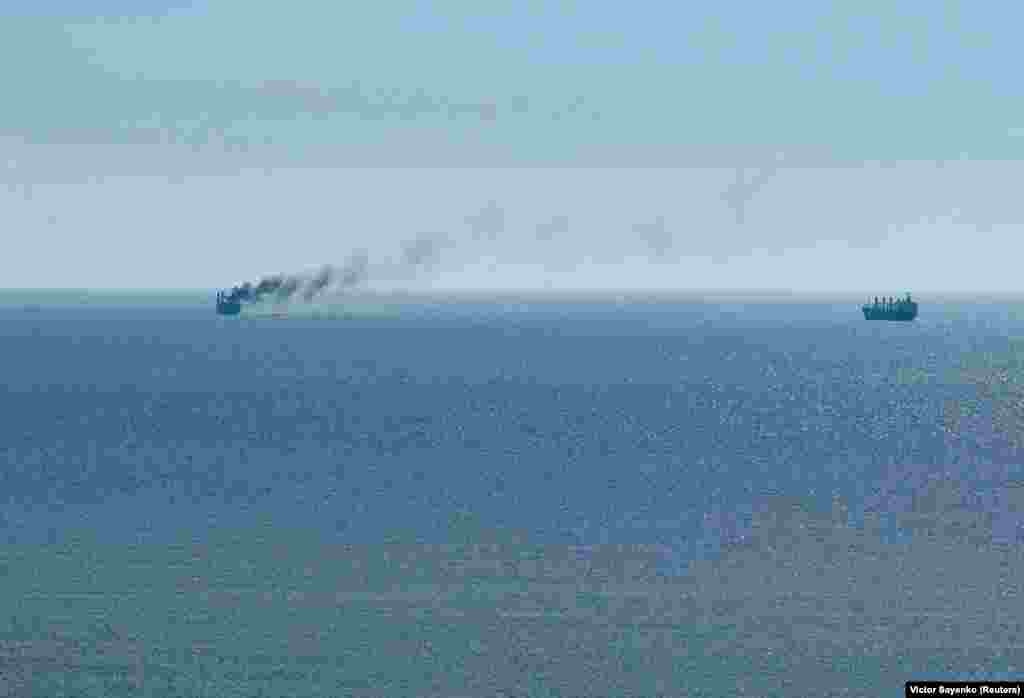
In response, Ukraine has targeted vessels travelling to and from Russian ports in the Black Sea and the Sea of Azov with aerial and naval drones. A campaign named Operation Molochka, launched in early July, aims to disrupt Russian maritime trade routes. Zelenskiy had warned that Ukraine would mirror Russian actions at sea.
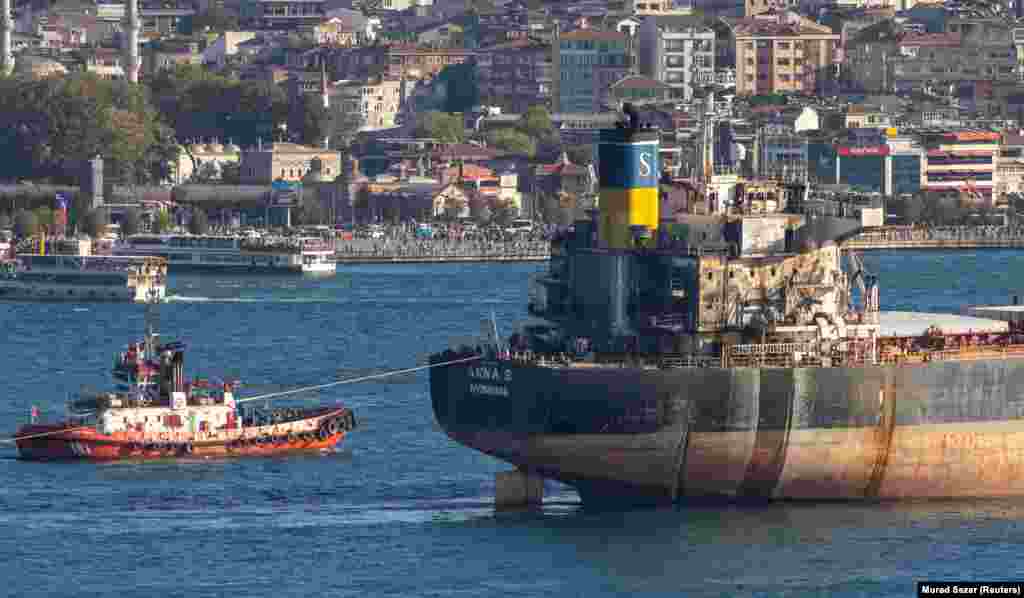
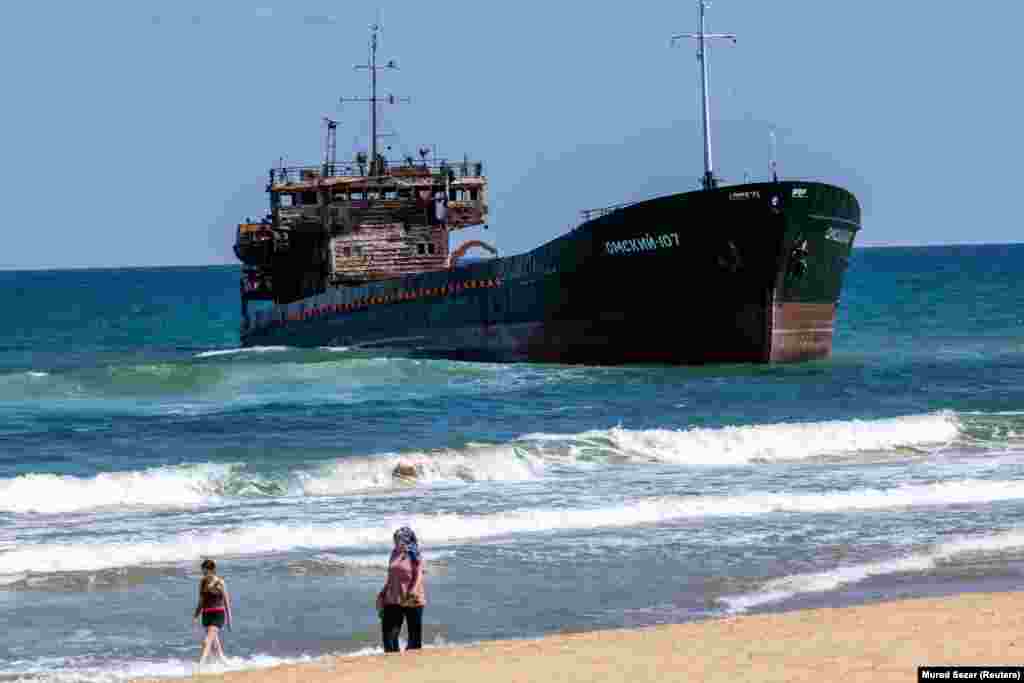
Thomas Alexa, a senior analyst at maritime risk management company Ambrey, said attacks on Black Sea shipping had risen sharply since the launch of Operation Molochka. He noted that the list of likely targets recently expanded from tankers to dry cargo ships, and the danger to sailors had intensified. Aerial drone strikes on cabin blocks were rare prior to the Ukrainian operation, he added.
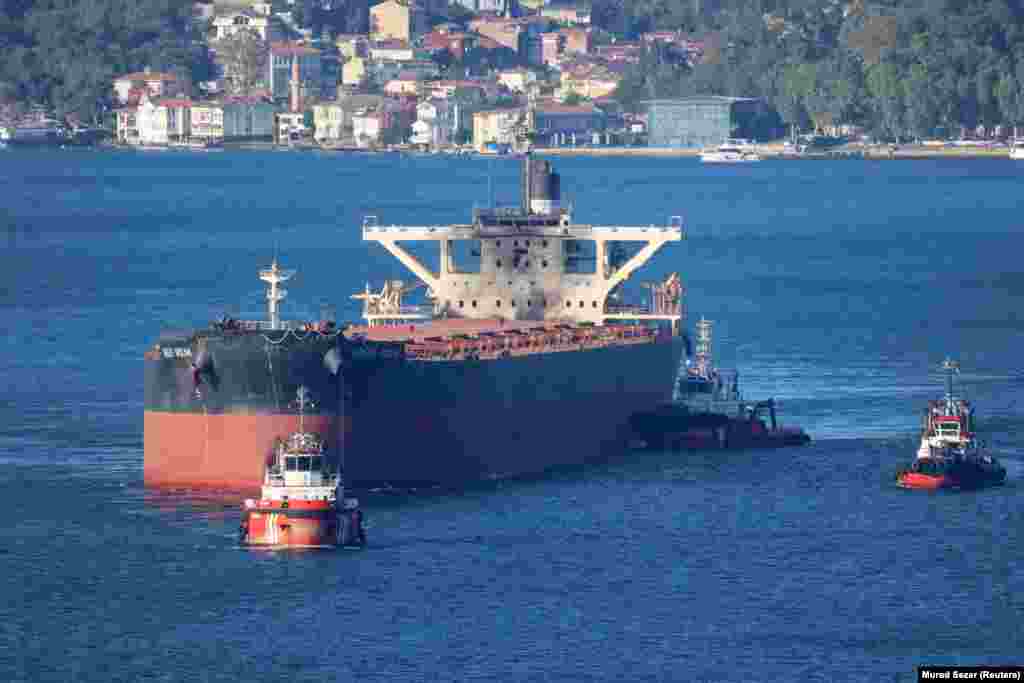
On Aug. 6, Russia struck the Guinea-Bissau-flagged dry cargo ship Mera Queen, which was carrying Ukrainian wheat. A Ukrainian sailor was killed in the attack and three other people were injured. Russia has regularly shelled Ukrainian ports since 2022, destroying grain supplies among other targets.
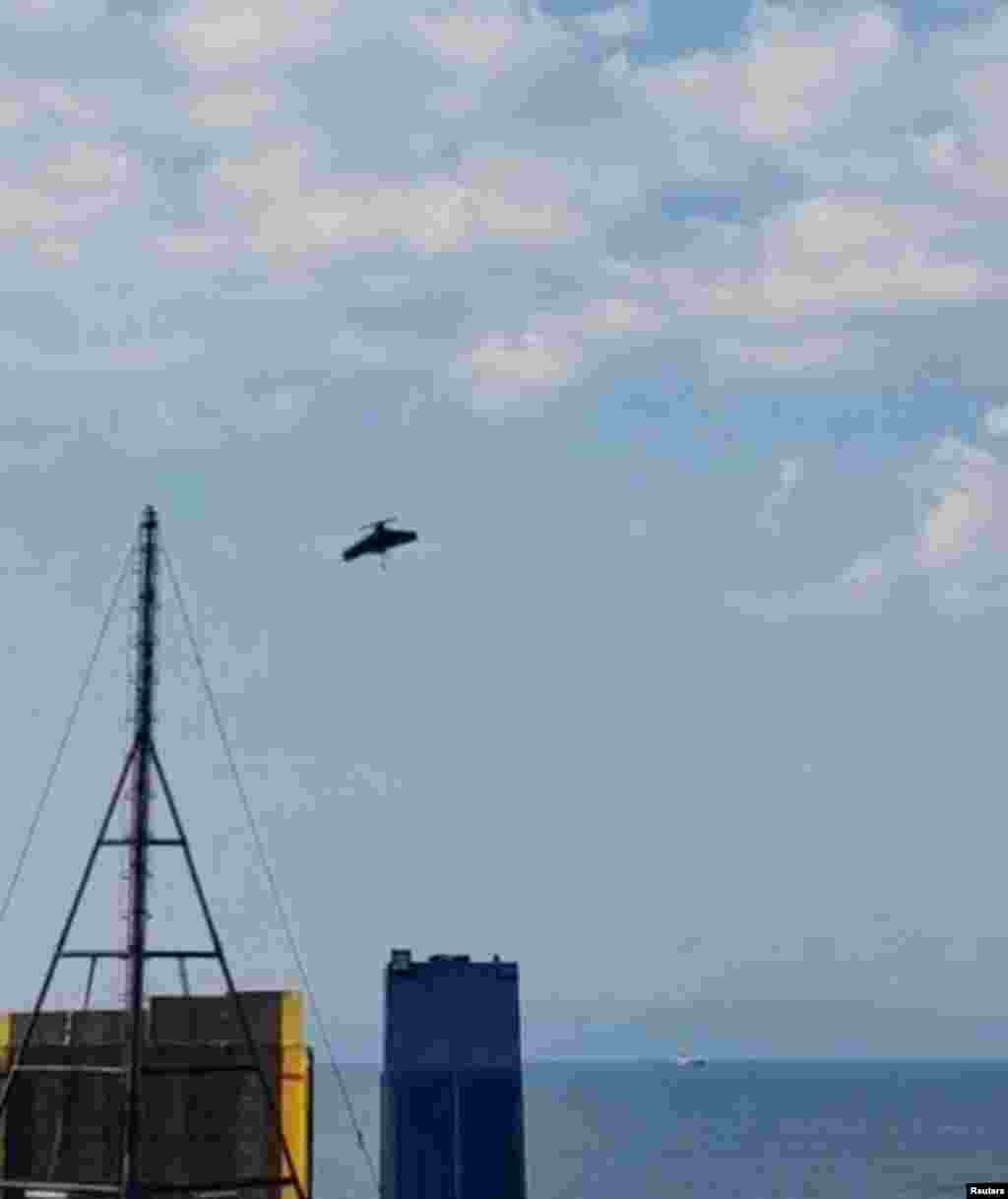
The UN International Maritime Organization condemned the recent increase in attacks on Black Sea shipping, which have killed several sailors. Organization head Arsenio Dominguez said in a statement that sailors should never become victims of conflicts to which they are not a party.
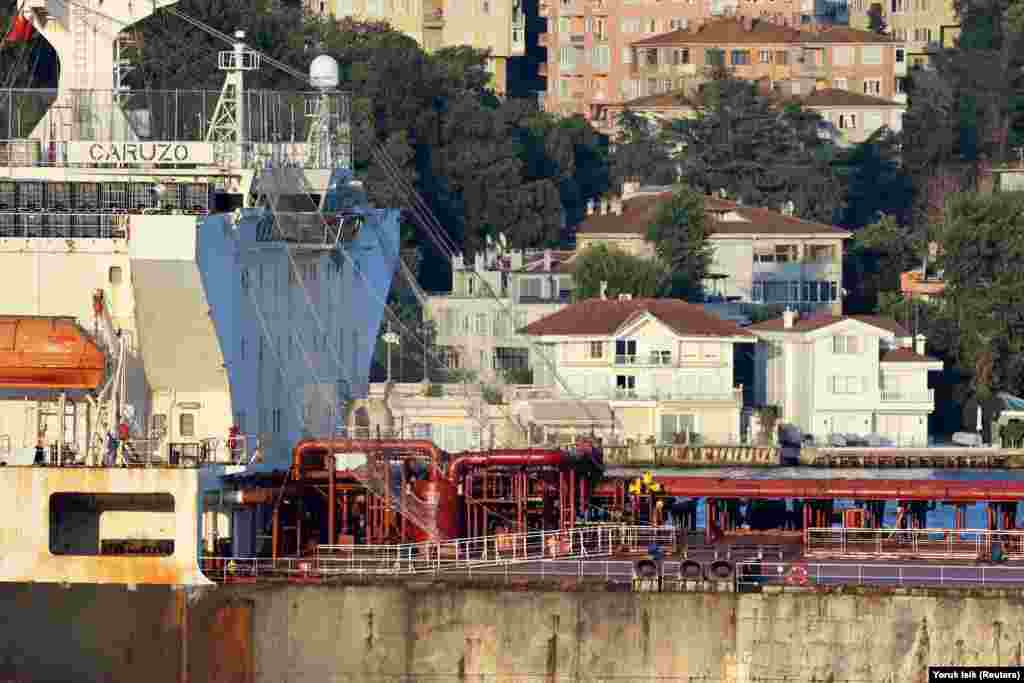
Some vessels have resorted to draping anti-drone nets over crew quarters. However, Mehmet Yapici, a maritime photographer based in Istanbul, said there was a general consensus among ship spotters that the nets would not be effective against strike drones.
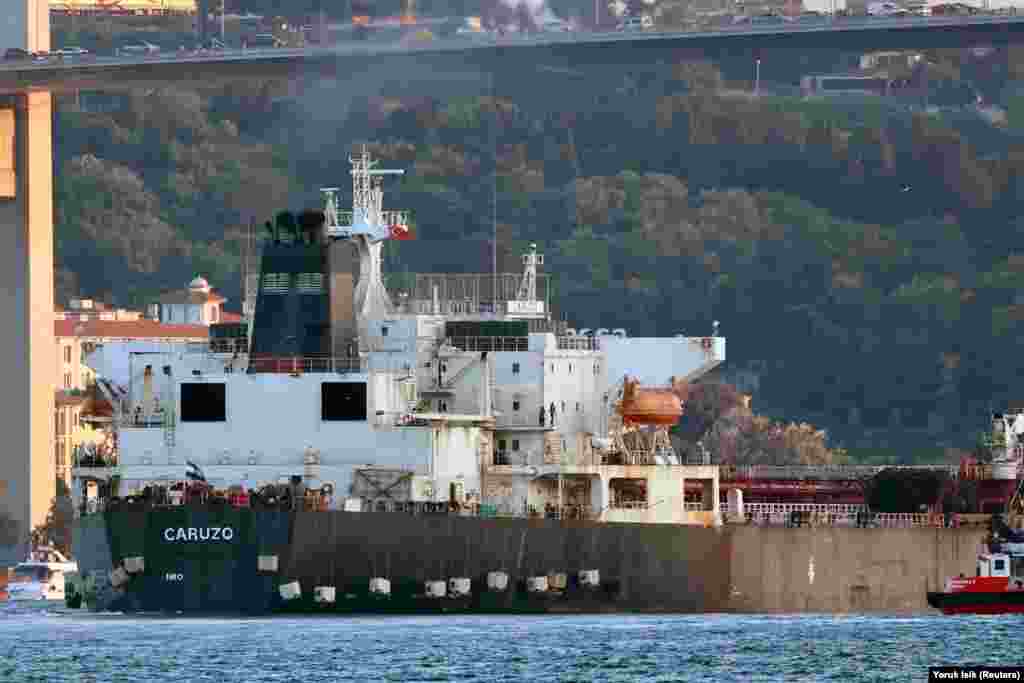
Other ships have hung water tanks from their sterns in an apparent attempt to protect their engines from naval drones. A recent Ambrey report noted that the war was increasingly expanding traditionally recognized high-risk zones, partly due to explosive-laden naval drones drifting after losing power or connection.
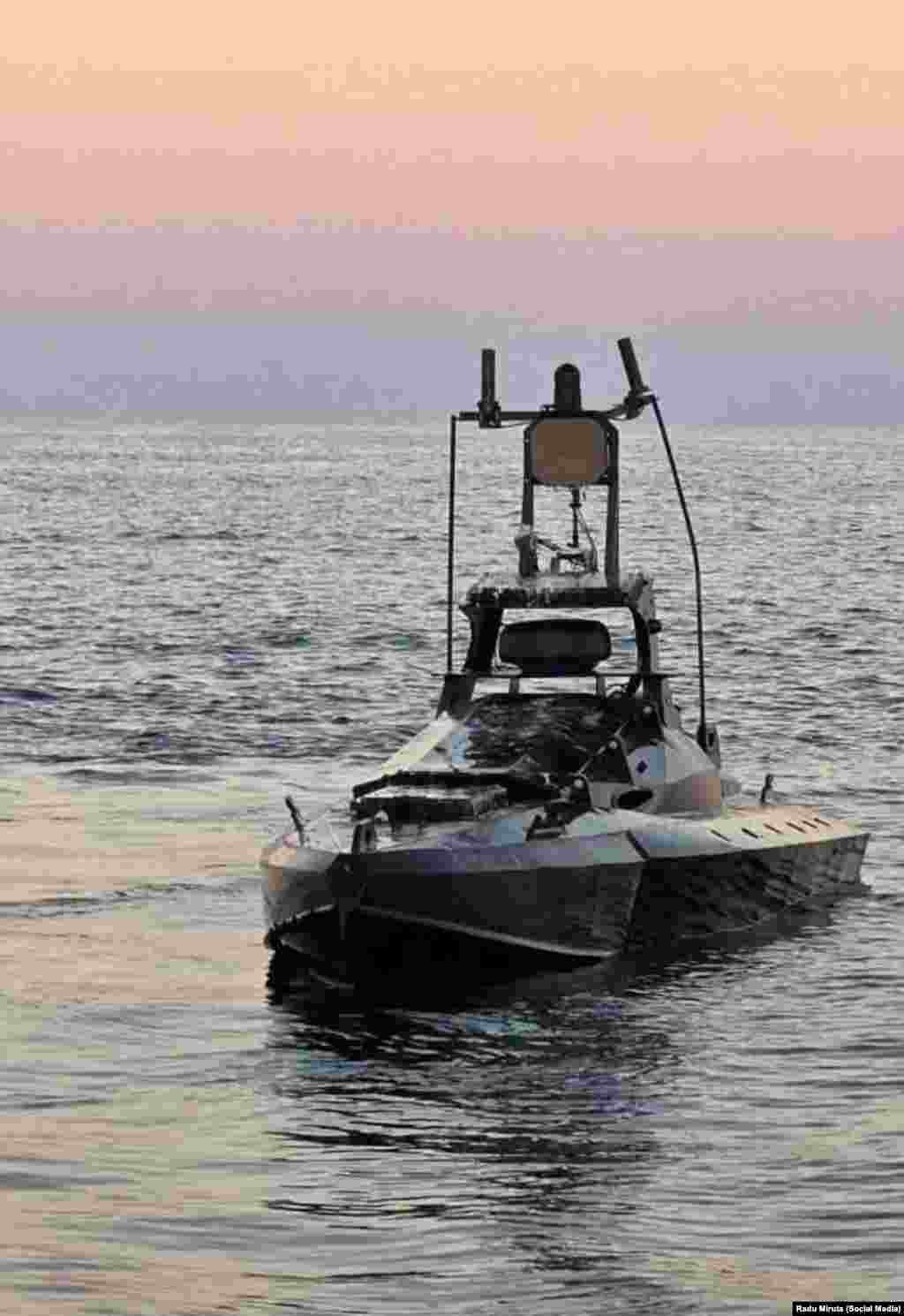
Alexa said the assessment of risks had become significantly tougher for those earning a living from the Black Sea. He said shipowners were refusing to send vessels to the northern Black Sea and crews were reluctant to sail there. He added that war risk insurance premiums had risen tenfold since the start of the year.
US Secretary of State Marco Rubio, who sat closest to Trump during the talks, said before the meeting that the US was concerned that US-linked vessels and oil shipments had repeatedly been targeted by Ukraine in recent months, possibly unintentionally. He said the issue needed to be addressed and could not be allowed to continue, while acknowledging that Ukraine was defending itself from nightly missile strikes on civilians in Kyiv.
The meeting was the first between Trump and Zelenskiy since the US president signed the Lindsey Graham Act, a new sanctions law. The legislation permits 100 percent tariffs on countries buying Russian energy, such as India and China, and introduces severe sanctions against the shadow fleet used to export Russian oil covertly.
Trump is scheduled to meet Chinese leader Xi Jinping at the White House later in the week. There have been hopes that Xi might pressure the Kremlin to end the war following the talks. Trump did not address the upcoming meeting directly, but said he maintained a normal working relationship with the Chinese leader, noting that Xi loved China and he loved the US.
Patriot missile supplies
Zelenskiy also discussed the supply of Patriot air defence interceptor missiles with Trump. European nations currently purchase the missiles for Ukraine, but the US lacks sufficient PAC-3 missiles, which can intercept ballistic weapons, and European stocks are also limited.
Ukraine requested a winter package of interceptors to defend against Russian ballistic strikes, which pose a greater threat than drones and cruise missiles. Ukrainian forces currently intercept a maximum of 30 to 40 percent of incoming ballistic missiles. US stockpiles have been significantly depleted by the war in Iran and the crisis in the Persian Gulf.
The two leaders also discussed licenses to produce the interceptor missiles in Ukraine. At a NATO summit in Ankara in July, Trump had said he might grant the licenses, but he later expressed uncertainty over fears the technology could fall into the hands of US competitors.
Following the meeting, Trump said issuing the licenses was possible and expressed confidence that Ukrainians could quickly master the production, calling them extremely capable people with powerful manufacturing capabilities.
Zelenskiy said the delegation had asked Trump to help accelerate the licensing process, and that the US president viewed the prospect positively. Experts estimate Ukraine could establish production of the interceptor missiles in two to three years if granted the licenses.