


United States Ambassador to the North Atlantic Treaty Organization (NATO) Matthew Whitaker has described Spain as a committed ally and praised its progress in strengthening its military capabilities.
The remarks from Washington's permanent representative to the transatlantic alliance came despite ongoing friction between Madrid and the United States over defence budgets. Reported by the Spanish newspaper El País on 26 March 2026, Whitaker's comments followed criticism from US President Donald Trump over the Spanish government's refusal to commit to raising military spending to 5% of gross domestic product (GDP).
While Whitaker gave a positive assessment of Spain's recent defence efforts, he maintained reservations about whether the country can meet all of its assigned military capability targets with a lower level of investment than Washington considers necessary.
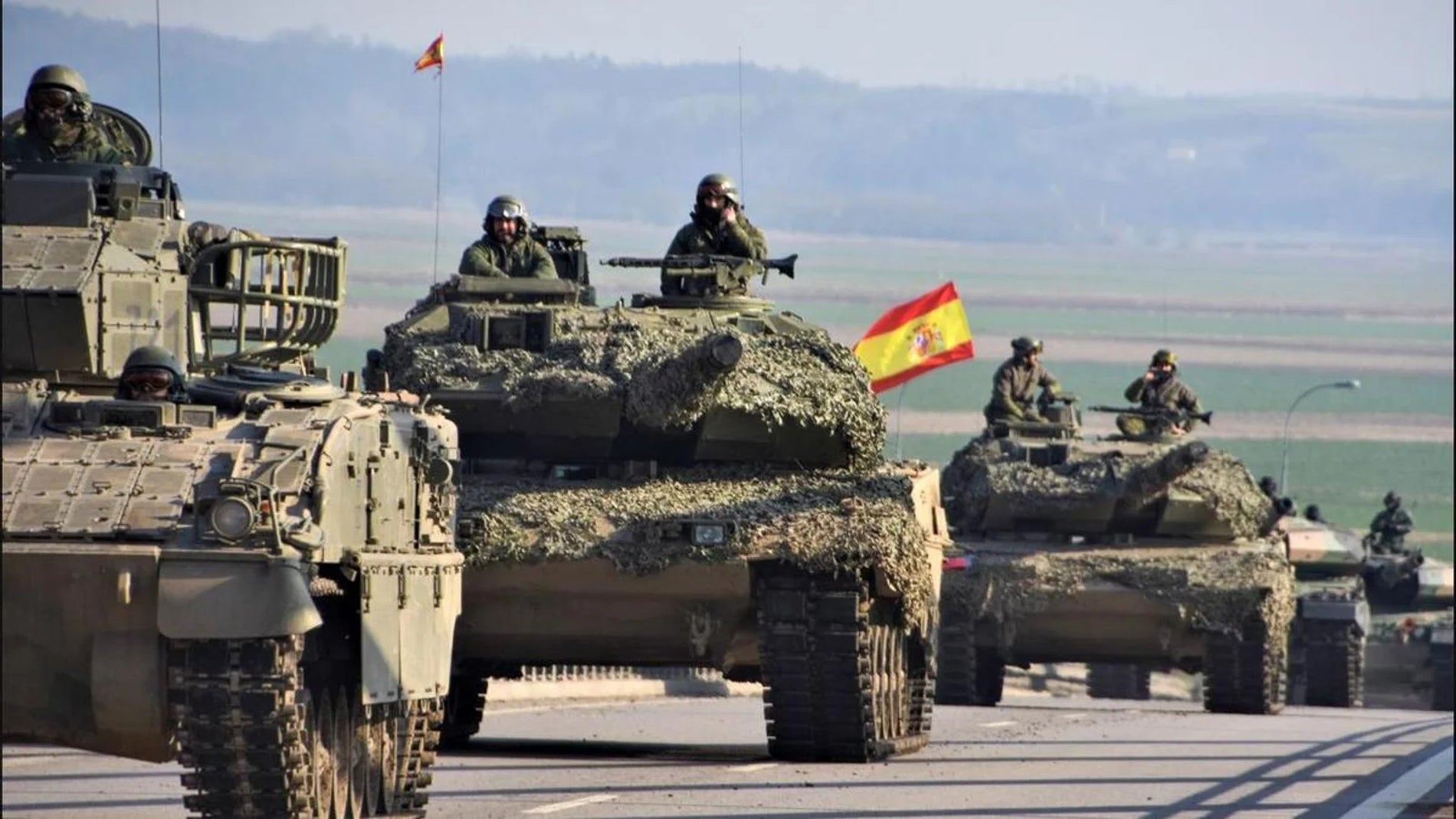
Whitaker, who previously served as acting United States Attorney General during Trump's first administration before becoming ambassador to NATO, offered a measured view of Madrid's role in the transatlantic alliance, which Spain joined in 1982. Rather than singling out Spanish military technology as superior to that of other allies, his statements focused on Spain's operational commitment to NATO and its recent increases in defence spending.
Dispute over the 2025 Hague summit spending target
The debate centres on how Madrid plans to meet the alliance's long-term burden-sharing goals. In February 2026, Whitaker stated that Spain was making great progress on defence and pointed out that the country had signed up to the defence pledge agreed at the 2025 NATO summit in The Hague.
Under the 2025 Hague agreement, alliance members set a goal of reaching defence and security investment equivalent to 5% of GDP by 2035. That figure is divided between direct military expenditure and broader security-related investments.
The Spanish government maintains that it can fulfil all of the specific military capability targets assigned to it by NATO with spending of approximately 2.1% of GDP. Whitaker expressed scepticism that Madrid could deliver every required capability at that funding level, though he added that it would be positive for all allies if Spain managed to meet its targets with fewer financial resources.
Spanish defence industry and Indra and Navantia programmes
Washington's recognition comes during a period of modernisation for the Spanish Armed Forces, backed by rising military investment and a specialised domestic defence sector. Spain's defence industry spans military shipbuilding, radar systems, communications equipment, combat systems, and aerospace technology.
Domestic contractors including Indra and Navantia play a central role in upgrading Spain's military hardware and developing technologies that also support NATO collective defence. Indra is a major Spanish information technology and defence systems company specialising in radar, electronic defence, and command systems, while state-owned shipbuilder Navantia constructs frigates, submarines, and amphibious vessels for the Spanish Navy and international customers.
Those industrial programmes focus heavily on surveillance systems, electronic warfare, advanced sensors, and secure communications. Such capabilities have grown increasingly important in a modern operational environment shaped by drones, missiles, and hybrid threats.
Patriot air defence deployment and NATO capability metrics
Beyond domestic procurement, Spain maintains troops deployed across allied international missions. Madrid also contributes directly to the protection of NATO airspace through a Patriot surface-to-air missile battery deployed in Turkey, an operational commitment that formed part of the contribution Whitaker publicly acknowledged.
The disagreement between Washington and Madrid highlights a wider discussion within NATO over how allied contributions are measured. Rather than looking solely at the percentage of national output allocated to defence budgets, alliance planners assess what concrete military capabilities each member state delivers in return.
Ammunition stockpiles, air defence systems, armoured vehicles, trained personnel, and overall operational readiness are essential factors in measuring an ally's real contribution to collective security. While Whitaker recognised Spain as a committed partner on those operational fronts, Washington and Madrid remain divided over how much long-term funding is required to guarantee those military capabilities.