Eduardo de Francisco del Saz, an architect and real estate analyst known online as Edu Saz, has warned that unmarried couples who buy a home together face serious legal and financial risks if one partner dies or the relationship ends.
De Francisco said Spanish law does not automatically give a surviving partner rights to the property. He said that if a partner dies and the couple was not married, the home does not automatically pass to the survivor, but instead goes to the deceased partner's legal heirs, such as their parents or siblings.
Inheritance and debt without marriage
De Francisco said this situation can leave the surviving partner in a particularly difficult financial position. He said the survivor could end up stuck with the mortgage debt as a co-holder of the loan, without keeping the home, or at best could become a co-owner alongside the deceased partner's family. He added that the survivor would also be left without a widow's or widower's pension.
Pension and insurance requirements
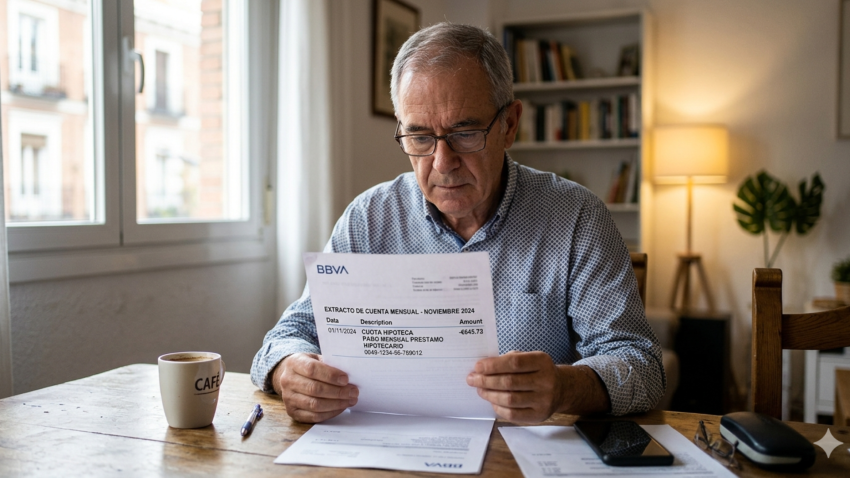
De Francisco also set out the legal conditions for accessing a survivor's pension in Spain. He said the pension is only granted to couples who are married, or to registered common-law couples who can show at least two years of cohabitation and five years of registration. Without meeting those requirements, he said, there is no payout because the state does not recognise the couple as a family unit.
To reduce this financial risk, de Francisco recommended that couples take out their own life insurance policy rather than relying on the one offered by the bank when they take out a mortgage. He said the beneficiary should be named as the other partner, so that if something happens to one of them, the other can pay off the debt and keep the home.
The risk of paying without being on the deed

De Francisco also examined the impact of one partner's prior debts when a couple applies for a mortgage together. He said that if one member of the couple already has outstanding debts, banks may refuse to grant a joint mortgage on favourable terms, or may deny the loan altogether.
Faced with that obstacle, he said many couples make the mistake of having only one partner sign the purchase contract while the other contributes money from their own account without any legal protection. De Francisco warned that if the relationship ends, the partner who did not sign will have put money for years into a property that is not legally theirs.