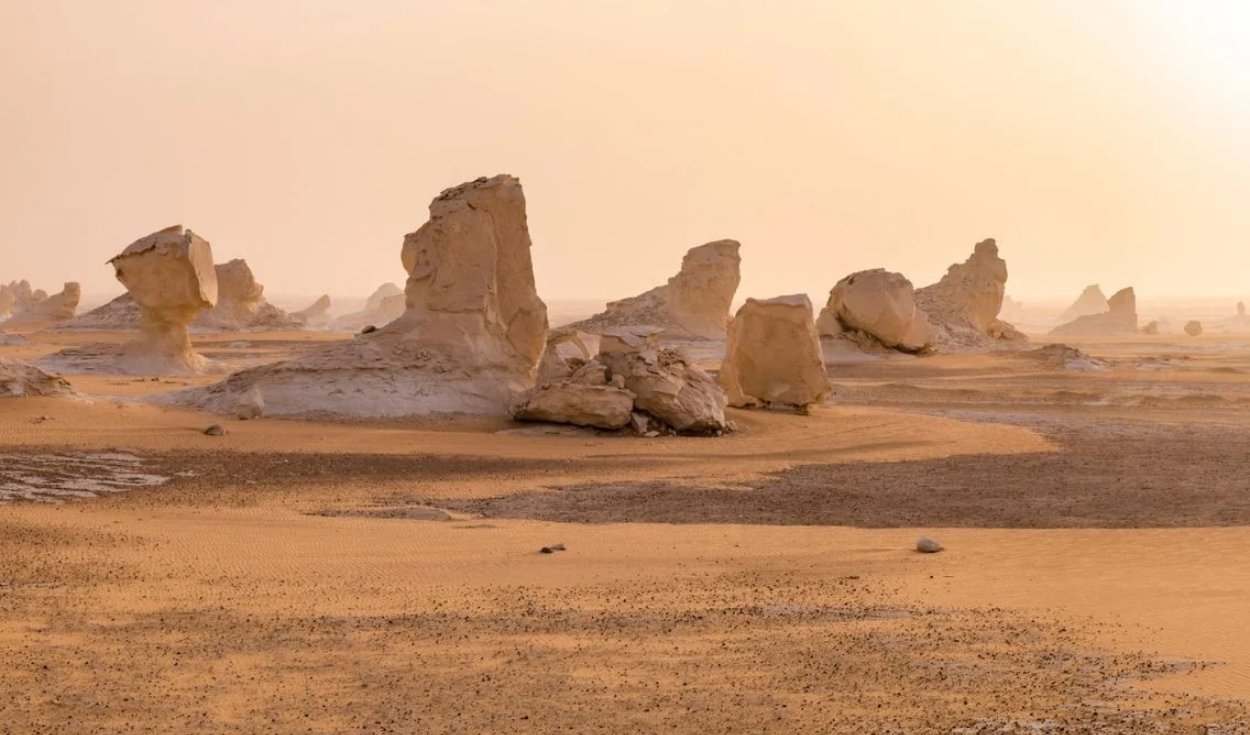
Paleontologists have identified at least seven species of ancient sharks that once swam in a tropical sea covering what is now Egypt's desert, according to a new study of fossil teeth recovered from the Duwi Formation.
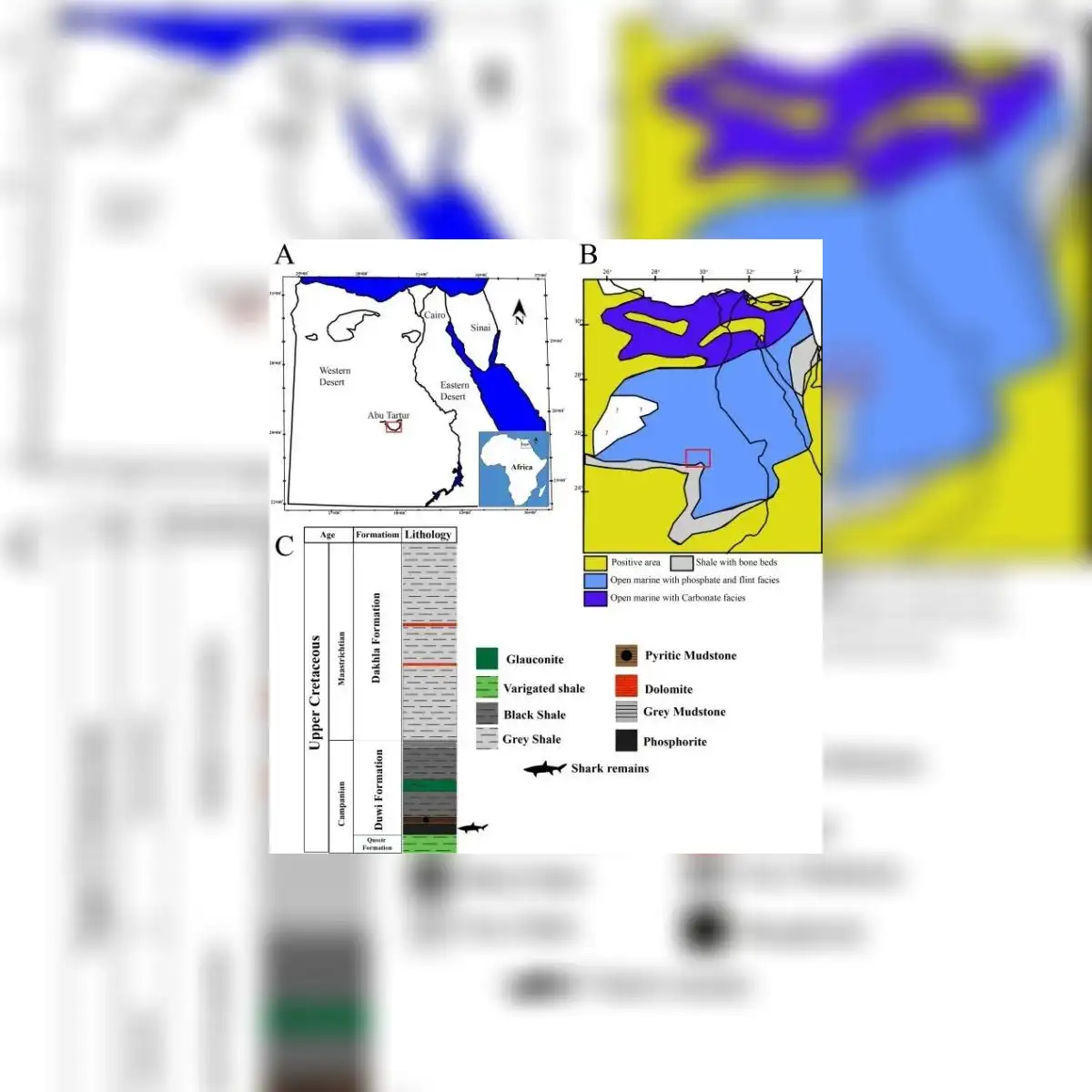
The discovery was made at the Abu-Tartur plateau, where researchers recovered 14 teeth belonging to five shark species not previously identified at the site. Combined with two species already known from earlier work there, the total reaches at least seven distinct species.
During the Cretaceous period, roughly 145 to 66 million years ago, Earth's climate was considerably warmer than today and sea levels were much higher, leaving large parts of North Africa submerged under water.
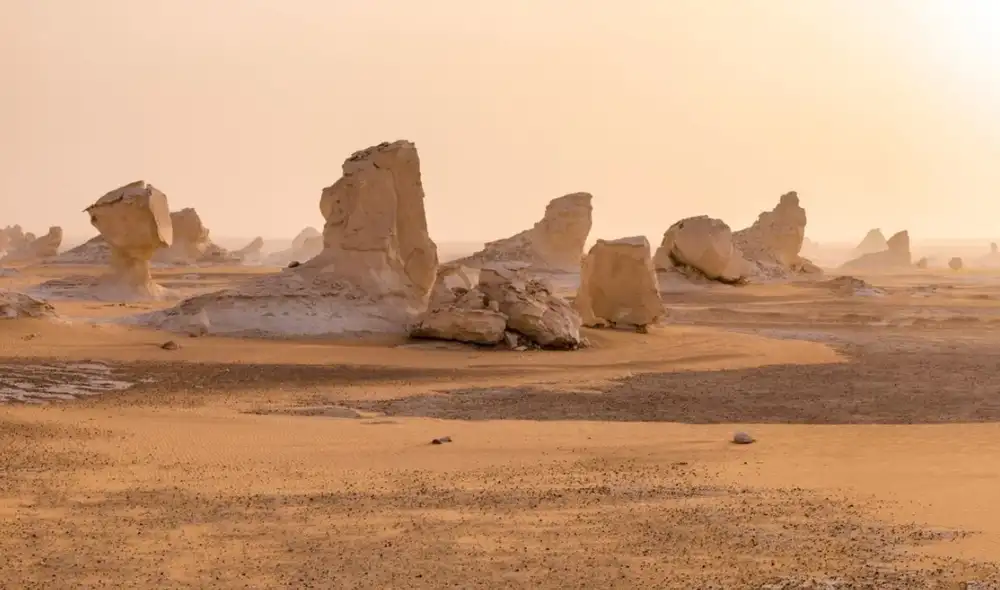
A tropical sea once covered Egypt
The Duwi Formation preserves one of the clearest signs of that marine past: enormous phosphate deposits. This type of material tends to accumulate in areas with intense biological activity and high marine productivity.
The researchers believe the ancient waters in the region received nutrients carried up from deep parts of the ocean. These upward currents, known as upwellings, brought phosphorus and other nutrients to the surface waters, fueling plankton growth. That, in turn, supported a food chain capable of sustaining fish, invertebrates and large predators.
Seven shark species, different habitats
Earlier studies at Abu-Tartur had identified only two shark species from a handful of teeth. To get a fuller picture of the ancient ecosystem's diversity, the researchers returned to the site and recovered 14 additional teeth.
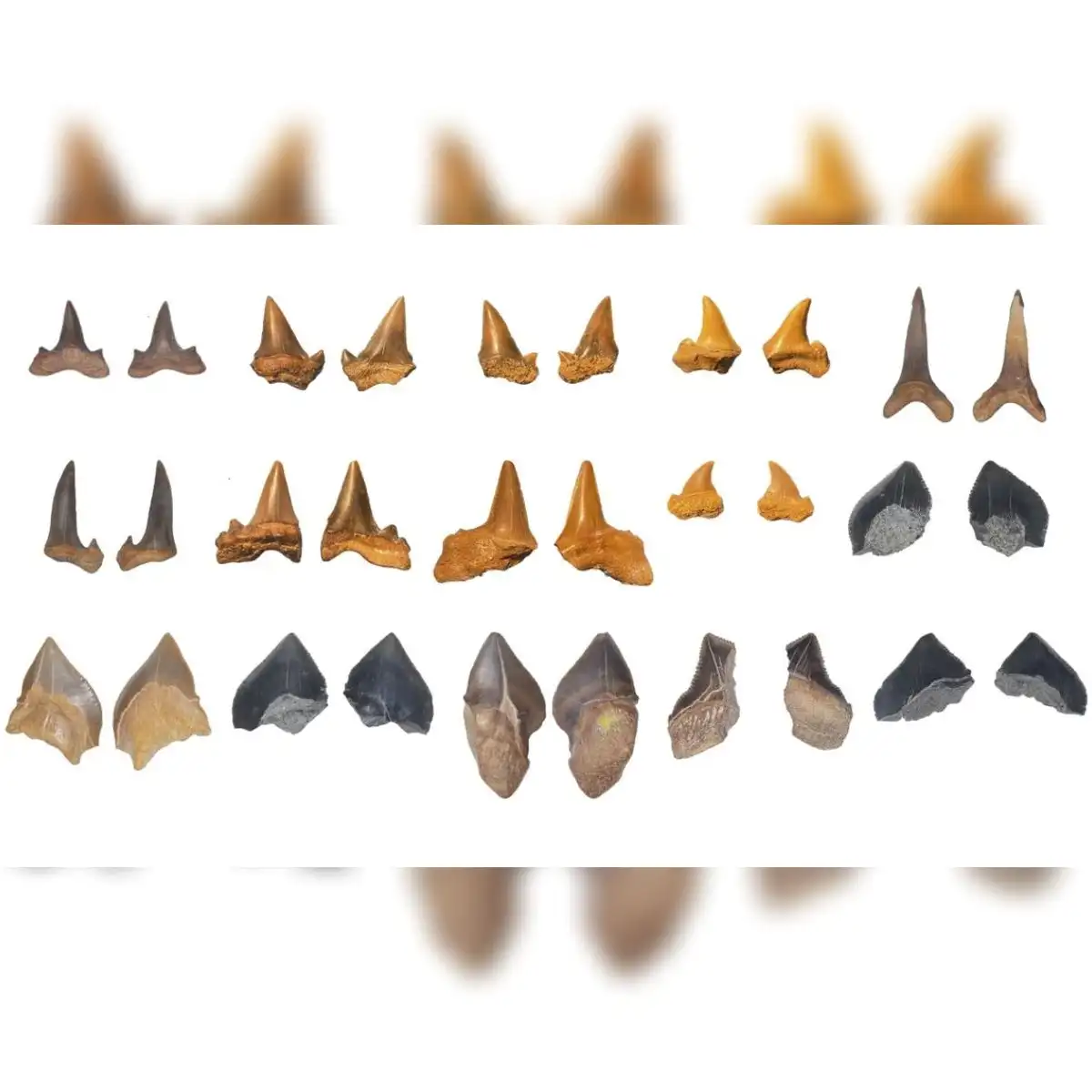
Differences between the fossils allowed the team to identify five additional species: Cretalamna cf. maroccana, Scapanorhynchus cf. raphiodon, Serratolamna cf. serrata, Squalicorax bassanii and Squalicorax pristodontus.
Two of them, Serratolamna cf. serrata and Squalicorax bassanii, represent new records for Egypt. Scapanorhynchus cf. raphiodon, marked by its long, narrow teeth, could be the first known record of that species anywhere in Africa.
The variety of tooth shapes also points to different feeding strategies among the sharks. Some teeth were long and slender, while others were broad and serrated, suited for cutting.
Not a single shark graveyard
Although the concentration of fossils might suggest a giant shark graveyard, the researchers caution that not all of these animals necessarily lived there at the same time.
The teeth built up over a long period because very little sediment was being deposited in the area. As a result, the rock layer contains remains from different moments in time, and possibly from different marine environments.
The researchers, led by paleontologist Tarek Yassin of Cairo University, said the combined fossil assemblage points to a nutrient-enriched, highly productive marine ecosystem along a phosphogenic shelf margin.
The presence of Squalicorax could indicate environments closer to the coast, while Scapanorhynchus is associated with deeper waters. Other sharks, such as Cretalamna and Serratolamna, point to stable open-sea conditions.
The study, published in the journal Cretaceous Research, offers a rare window into a landscape that vanished millions of years ago. Where only rock and sand remain today, a productive sea once teemed with predators.