Apple has raised iPhone prices by up to 17 percent after facing severe supply chain bottlenecks in semiconductors and memory components, according to analysis presented on Brazilian financial program Resenha do Dinheiro.
The consumer technology giant managed to preserve its profit margins despite paying roughly four times more for memory inputs, relying on advance component orders and consumer price adjustments to absorb rising cost pressures.
Speaking during the weekly Insights da Semana segment, economist Marilia Fontes explained that Apple anticipated upcoming constraints in the semiconductor market by placing component orders well ahead of schedule. The proactive purchasing strategy helped limit the impact of chip shortages on assembly lines.
Apple, headquartered in Cupertino, California, relies on a vast global supply network to produce its hardware portfolio. Semiconductor processors and high-performance memory modules are among the most capital-intensive elements in modern smartphone assembly, where sudden inventory shortages can quickly elevate manufacturing expenses across the industry.
Rising component costs and pricing strategy
To protect corporate profitability while absorbing a fourfold increase in memory costs alongside broader supply pressure, Apple increased retail prices on iPhone models by up to 17 percent, according to Fontes.
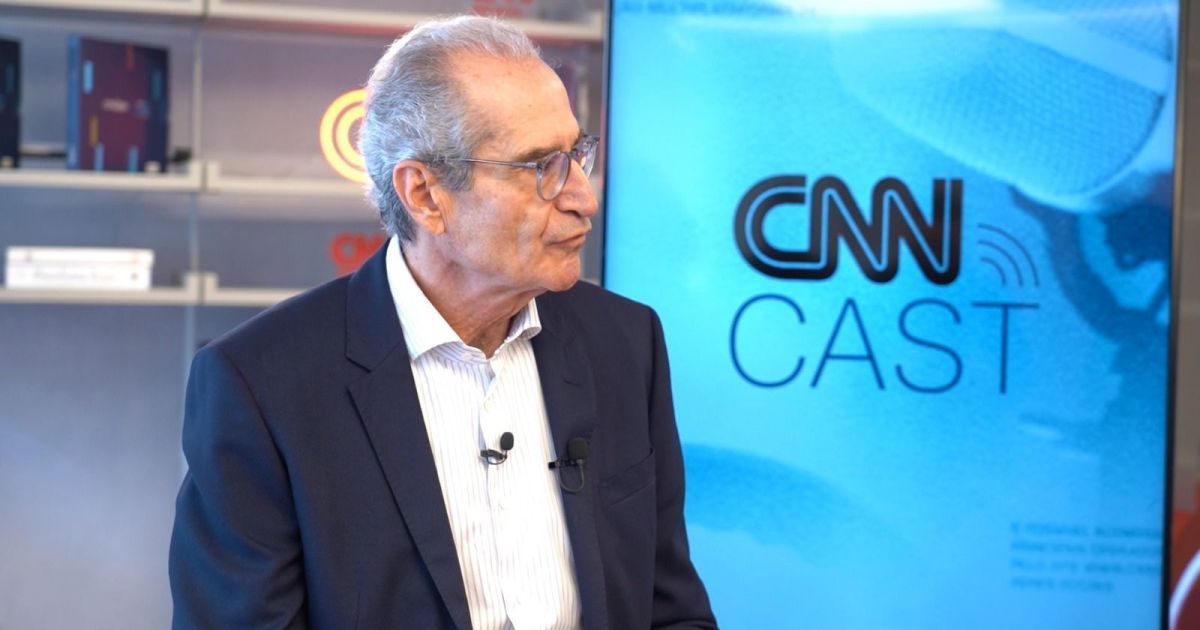
The commentary was featured on Resenha do Dinheiro, a weekly financial broadcast produced with support from Brazilian stock exchange operator B3 and global asset management firm BlackRock. Fontes, a founding partner at independent research firm Nord Investimentos, presents the show alongside financial educator Thiago Godoy and Yubb founder Bernardo Pascowitch.
The program aims to deliver direct and accessible guidance on personal finance and investing, structuring weekly economic discussions like an informal conversation between friends while maintaining analytical rigor. The show airs every Friday at 7 p.m. on the CNN Money YouTube channel and broadcasts on television via CNN Brasil every Sunday at 3 p.m.
Embraer posts record quarterly revenue
The panel also highlighted strong financial results from Brazilian aerospace manufacturer Embraer, which reported record net revenue of R$ 11.3 billion for the second quarter of 2026. Analysts attributed the revenue surge to expanding global market demand for commercial and executive aircraft.
Embraer, headquartered in São José dos Campos in São Paulo state, is one of the world's largest commercial aircraft builders, alongside European manufacturer Airbus and American rival Boeing. Following its record second-quarter performance, the company raised its full-year financial projections for 2026.
Financial educator Thiago Godoy, known publicly as Papai Financeiro, noted during the broadcast that the updated guidance reflects positive operational momentum. However, he emphasized that investors must evaluate whether the elevated demand for aircraft will remain sustainable and continue boosting company earnings through the remainder of the year.
B3 adjusts depositary receipt prices
In stock market infrastructure developments, Brazilian exchange B3 implemented price range adjustments across several Brazilian Depositary Receipts traded on its platform, bringing asset unit prices to between R$ 50 and R$ 100.
Bernardo Pascowitch, founder and chief executive of investment comparison platform Yubb, highlighted the regulatory change during the show, explaining that the repricing effort is designed to broaden retail investor access to international securities.
Brazilian Depositary Receipts, commonly known as BDRs, are financial certificates traded on the São Paulo stock exchange that represent underlying shares in foreign publicly traded corporations. The instruments enable local investors in Brazil to gain investment exposure to international companies through the domestic market without opening overseas brokerage accounts or converting currency.
Pascowitch noted that the price adjustments apply to depositary receipts representing major global corporations, including German enterprise software maker SAP SE under ticker SAPP34, American defense and propulsion manufacturer GE Aerospace under GEOO34, and semiconductor process control supplier KLA Corp under K1LA34.