China's People's Liberation Army has revealed a calibration robot built to help artillery crews operating in high mountains, after a test at more than 5,000 metres above sea level, in sub-zero temperatures, where the equipment helped a gun crew hit its target with four rounds.
The account was published on November 18 in the PLA Daily, the official newspaper of the People's Liberation Army, and was later reproduced by China's Ministry of Defence. It centres on Tang Tailong, a young gun commander facing one of his first exercises, who was paired with an unusual assistant that his fellow soldiers had nicknamed the unit's "robot sergeant."
The four rounds that struck the target is a figure that comes from the military journalists who told the story. Their account does not name the training ground, nor does it publish a full series of results showing how many times the test had been repeated before that day.
The less visible figure behind the device is Zhang Guozhu, a non-commissioned officer with more than two decades in his post, whose job was maintaining the unit's equipment. According to the report's authors, the idea of building an aid for his comrades grew out of that maintenance work. A manufacturer later joined the project. The newspaper credits Zhang with the initiative and presents Tang as the soldier who used the device during the exercise.
The craft behind the nickname
In an artillery unit, the work of soldiers who maintain equipment and the work of those who operate it can look like two separate careers. The profile published in China describes what happened when those two paths crossed. Zhang kept records from mountain exercises and tracked how the equipment performed over the years, building up knowledge that might otherwise have stayed inside the unit without ever reaching a newspaper.
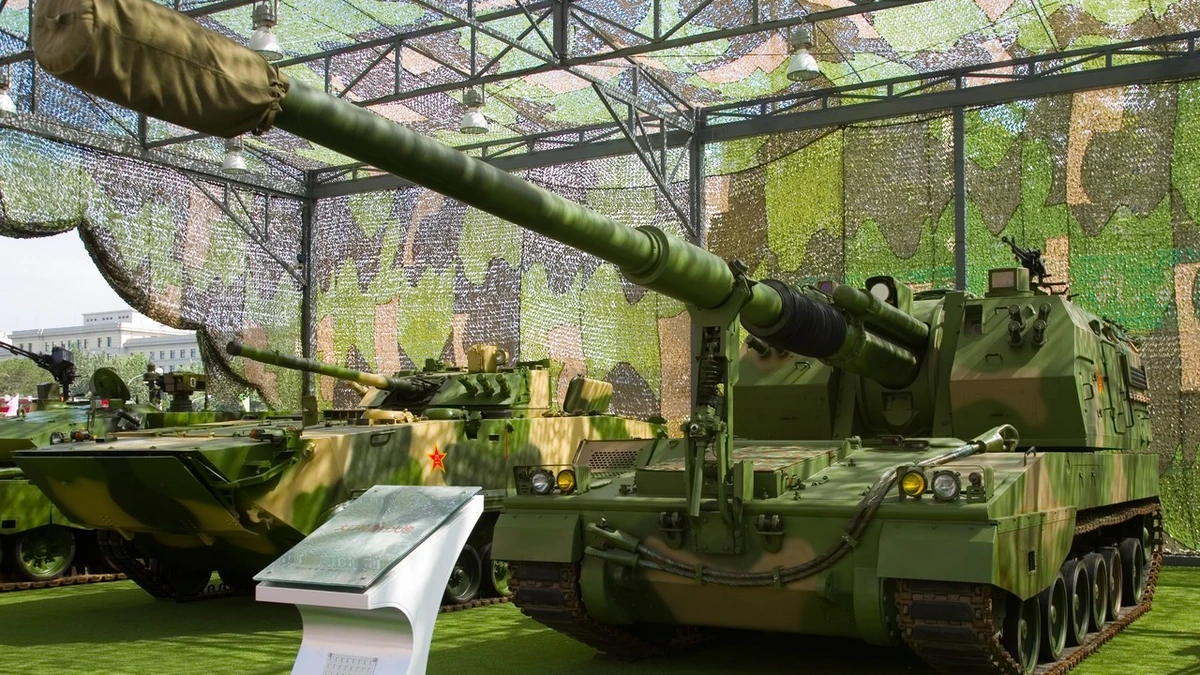
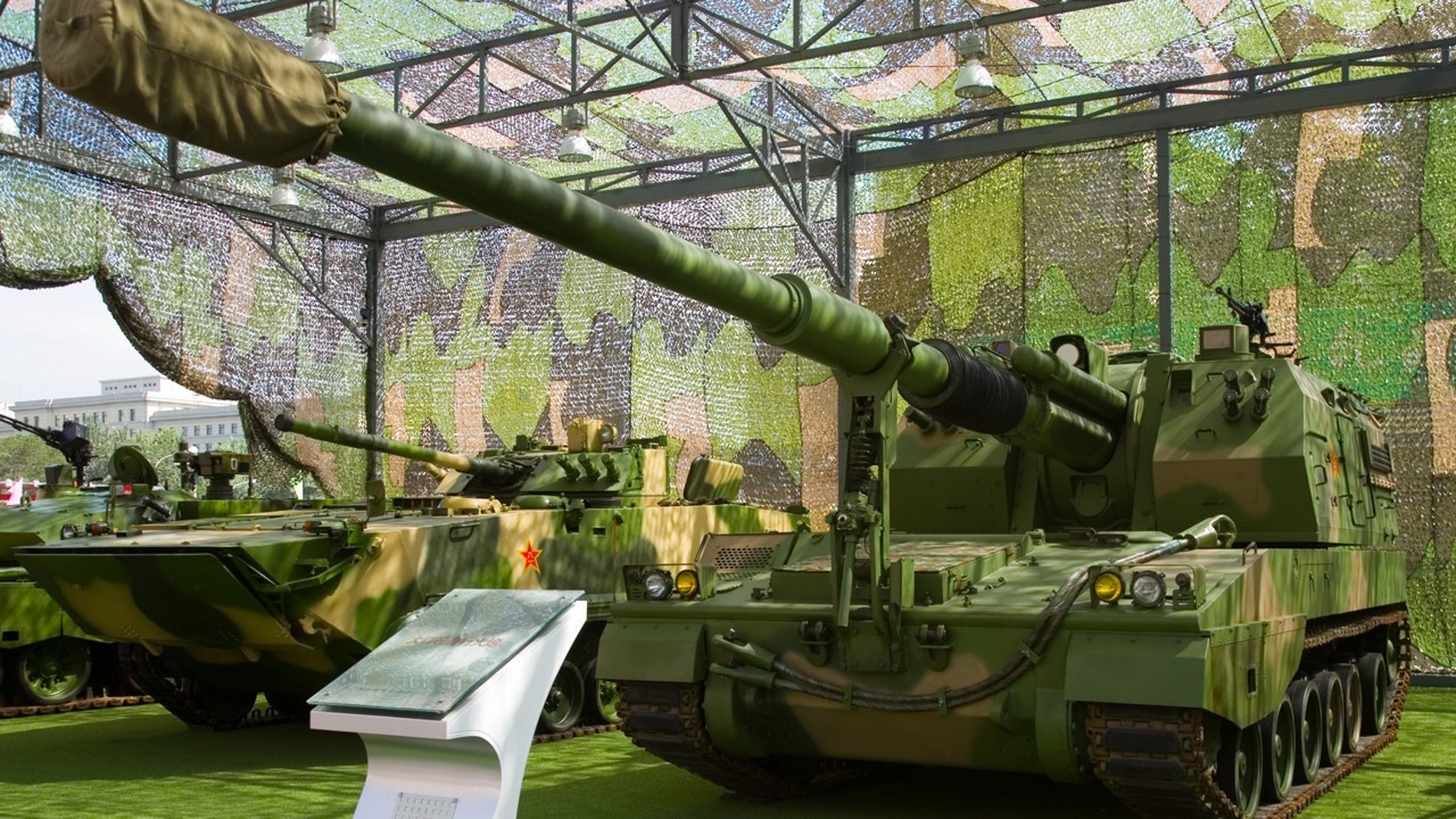
The PLA Daily places an earlier test device before the one that earned the nickname. Between the two came revisions and input from industry. The report describes a gradual development process, with a technician able to return and observe the equipment being used in the field. That sets the story apart from the usual catalogue unveilings of Chinese military hardware, such as armoured vehicles, where the public's first look is typically a photograph of the finished product.
The nickname itself can mislead. The report identifies Tang as the soldier in charge of the gun and shows him working alongside a terminal in the training area. Both men at the centre of the story are soldiers of flesh and blood; the word "robot" refers only to the aid they were given. Nothing in the account suggests an artillery piece that decided on its own to take part in the test.
How far the exercise report goes
Reports on Chinese military exercises tend to spread across several outlets within hours. In this case, the version carried by the Ministry of Defence and other Chinese media all traced back to the same military newspaper. The different publications share a single origin, which helps show how the army chose to present Zhang's work, but counting each repetition as an independent observation would overstate the evidence available.
That leaves a question familiar to anyone who studies how military commanders are trained: could another crew get the same result somewhere else? Answering it would require comparable tests and a wider record of results, which the published account does not provide.
What the army has made public, for now, is one specific episode: four declared hits, a young gun commander at the controls, and a maintenance specialist whose decades of work ended up putting his name to the story.
Test yourself
At what altitude was the calibration robot reportedly tested?
Who is credited with the idea behind the calibration device?
How many rounds reportedly struck the target during the exercise?
Have your say
Do you think militaries should publicize equipment developed informally by maintenance staff like Zhang Guozhu?
Where it happened
Beijing, China