Australian researchers at the University of Queensland have created cyborg cockroaches fitted with remote medical injectors to locate and treat earthquake survivors.
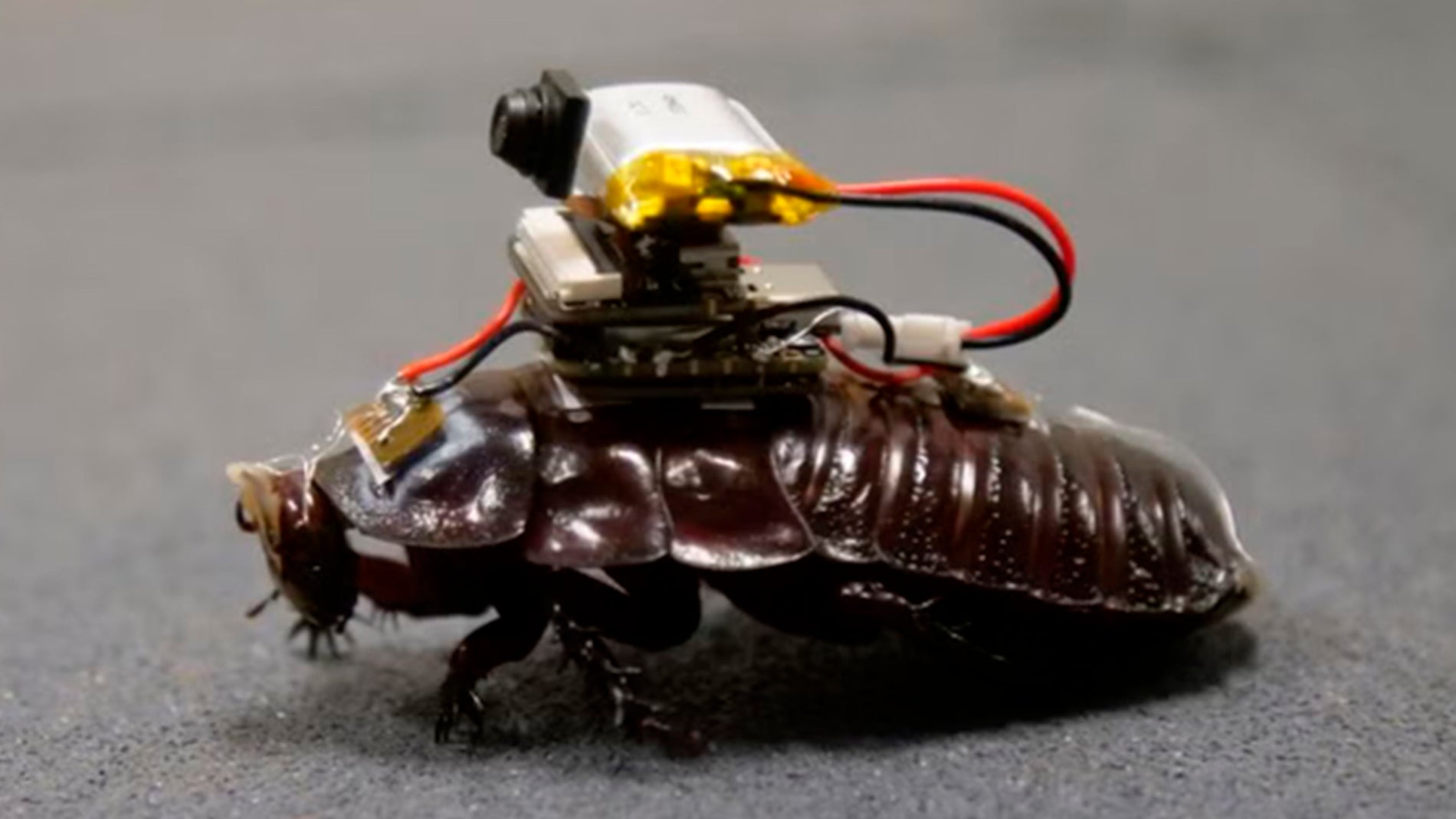
The bio-hybrid insects, dubbed Paraborgs, are designed to navigate collapsed debris, stream live video, and deliver early medical assistance before emergency teams arrive on scene.
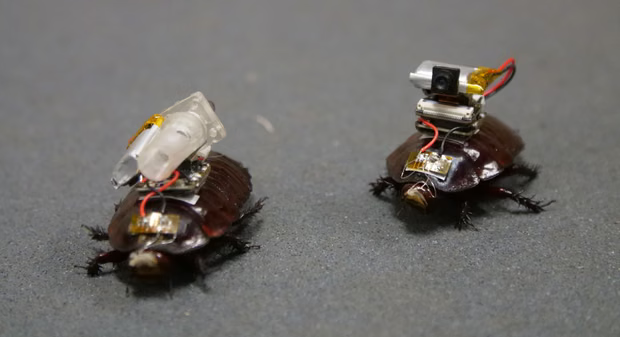
Developed in partnership with the University of New South Wales, the project equips live insects with lightweight, detachable electronic packs and automated syringe systems controlled remotely by human operators.
Unlike traditional bio-inspired robots that attempt to copy insect movement using mechanical parts, these cyborgs use living organisms as biological vehicles. The living insect handles locomotion, while mounted hardware provides sensing and intervention capabilities.
Nervous system control and medical payloads
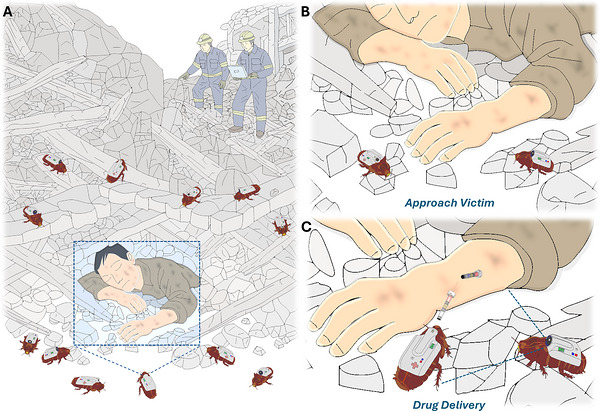
The research team chose the Queensland giant burrowing cockroach, scientifically known as Macropanesthia rhinoceros, as the foundation for the system. Native to tropical parts of northern Australia, the wingless species is one of the heaviest cockroaches in the world, offering the physical size and structural strength required to carry electronic payloads.
To direct the insects, scientists attach microchips and place electrodynamic electrodes directly into specific points within the cockroach nervous system. An operator can send signal commands to steer the insect, forcing it to turn or move forward while navigating complex obstacle courses.
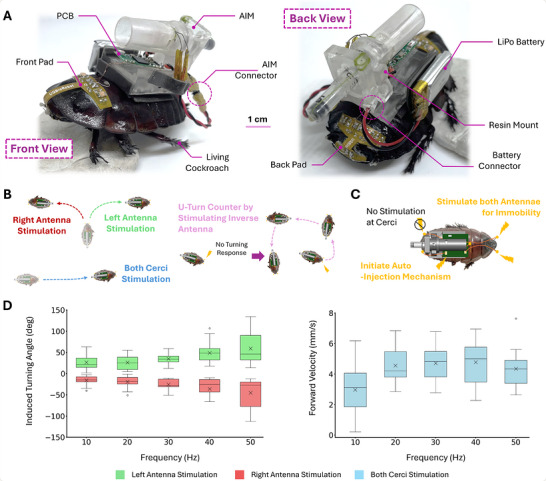
Surgical attachment of the control harness is performed while the cockroaches are temporarily anesthetized. The electronic backpack, including attached micro-cameras and specialized injection equipment, is completely removable once a mission ends.
According to the University of Queensland, the installation process causes no permanent harm to the insects. Once the harness is removed, their natural lifespan remains identical to unequipped specimens of the species.
Laboratory trial results and success rates
The most distinctive feature of the Paraborg system is the miniature medical injector mounted on the back of the insect. The syringe apparatus was specifically engineered to operate safely while attached to the organism.
During laboratory trials, the mounted injection system achieved a 95 percent success rate in delivering doses when the cockroach was already positioned within 15 centimeters, or about six inches, of the intended target.
However, when testing the complete operational sequence, requiring the insect to navigate through an environment, align itself correctly, and execute the injection remotely, the overall success rate dropped to 72 percent.
Researchers noted that perfecting navigation precision to position the insect accurately next to trapped victims remains one of the primary engineering challenges facing the project.
Advantages over conventional rescue robots
Urban search and rescue operations in the aftermath of earthquakes often present environments too dangerous or compact for human rescuers or bulky machinery. Ground-based robots frequently struggle to climb uneven rubble or navigate narrow cracks inside collapsed structures.
The biological cyborg approach overcomes these physical barriers because real cockroaches naturally excel at crawling through tight gaps and scrambling across rough debris without requiring complex motorized legs or heavy power supplies.
Despite promising initial results, the developers emphasized that the Paraborg technology remains experimental. While laboratory tests prove that biological control and payload delivery are viable, the navigation systems require further refinement to ensure reliability in real-world disaster zones.