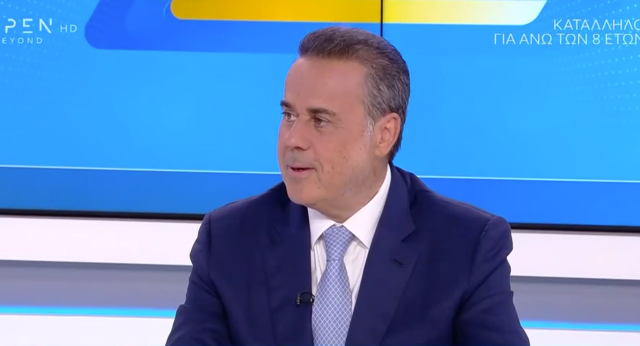
Greek Minister of Environment and Energy Stavros Papastavrou welcomed French investment group Meridiam joining the Great Sea Interconnector electricity cable project on Thursday.
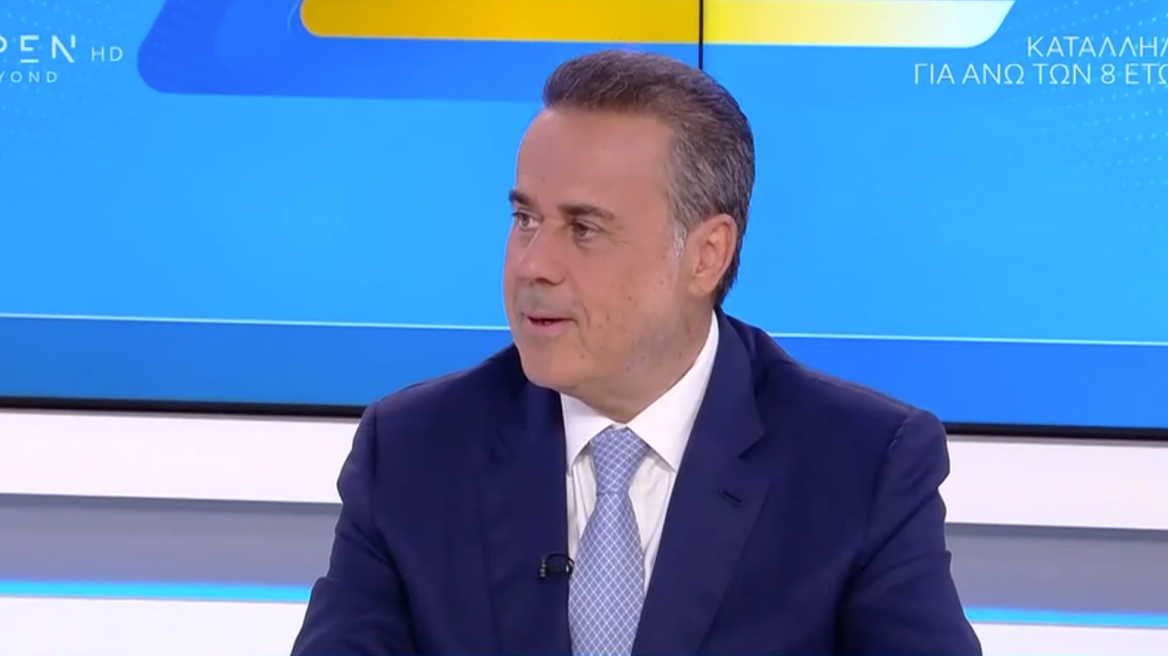
Papastavrou described the entry of Meridiam into the consortium for the undersea cable linking Greece, Cyprus, and subsequently Israel as a vote of confidence in the energy infrastructure project. Speaking on Greek television broadcaster OPEN, he said the agreement creates a powerful new dynamic to accelerate and execute the project.
Under the agreement, Greece's Independent Power Transmission Operator, known as ADMIE, is joining forces with the French investment group. Meridiam previously constructed a 1.2 billion euro subsea interconnector between the United Kingdom and Germany. Papastavrou emphasized that ADMIE also brings extensive subsea cable experience, having completed the electrical connection to Crete in 2025 while currently energizing Santorini and advancing projects across the Dodecanese and North Aegean islands.
Meridiam is an international infrastructure investment firm headquartered in Paris that specializes in long-term public infrastructure assets. ADMIE serves as the grid operator responsible for managing and developing Greece's high-voltage power transmission network across the mainland and island territories.
European funding and subsea cable expansion
The minister announced that a cost-benefit study for the subsea cable section connecting Cyprus to Israel will be completed in the coming days. He reminded viewers that the Great Sea Interconnector stands as the largest funded project in Europe, securing 658 million euros in European funding.
Papastavrou acknowledged that complex infrastructure challenges cannot be solved like magic in a single day. However, he stated that expanding the base of participants creates momentum that helps address operational difficulties in the best possible way, elevating the cable scheme into a broader European issue.
The Great Sea Interconnector project aims to end the energy isolation of Cyprus, which remains the last non-interconnected member state of the European Union. By linking the electrical networks of mainland Europe through Greece to Cyprus and Israel, the high-voltage subsea system is designed to enhance regional energy security and facilitate renewable energy integration across the Eastern Mediterranean.
Geopolitical alliances and sovereign rights in Mediterranean
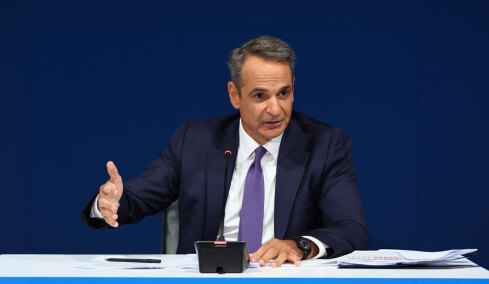
Addressing potential reactions from Turkey and whether French involvement might mitigate friction, Papastavrou said history has shown Greece will protect itself. He noted that in a complex global environment, building strong international alliances is decisive, adding that France maintains a direct interest in the Southeastern Mediterranean.
The minister clarified that exercising sovereign rights on the ground is not dependent on the reaction of any external party within the framework of international law. He stated that Greece's strategic objective is to ensure that all countries in the Southeastern Mediterranean benefit, while emphasizing that Athens will not accept any blackmailing practices or threats against the project.
Maritime boundaries and energy development rights in the Aegean Sea and Eastern Mediterranean have long been subject to diplomatic disputes between Greece, Cyprus, and Turkey. The involvement of major European investment groups and EU funding reflects European strategic interest in securing maritime energy corridors in the region.
Forest restoration and winter flood prevention
Turning to environmental rehabilitation following recent wildfires, the Minister of Environment and Energy described the damage to forest areas as very significant. He pledged that authorities will not lose a single day in implementing forest restoration works and safeguarding vulnerable areas against upcoming winter rainfall.
Papastavrou warned that heavy winter rains pose an immediate danger to local populations and threaten to delay natural forest regeneration. He set a target for anti-erosion and flood protection projects to begin before mid-September to ensure defenses are in place prior to the arrival of heavy rains expected in December.
Greece regularly experiences severe seasonal wildfires during hot summer months, which destroy vegetation and leave hillside soils exposed. Without rapid anti-erosion measures such as log dams and soil stabilization, subsequent autumn and winter rainstorms can cause severe flash flooding and soil erosion that hinder natural ecological recovery.