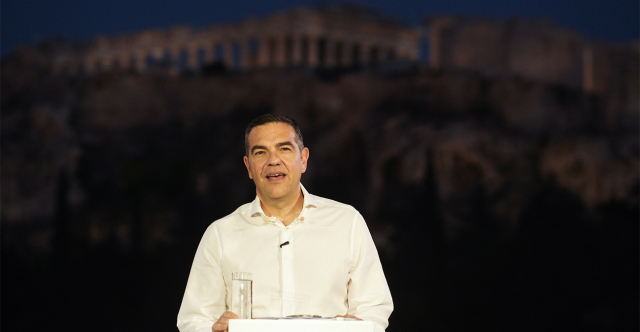
The Greek government has targeted former prime minister Alexis Tsipras during the summer recess, establishing a key line of political confrontation ahead of the new parliamentary term in Athens.
Ministers at Maximos Mansion, the official office of Prime Minister Kyriakos Mitsotakis, responded after Tsipras claimed in an interview with news website in.gr that he had clashed with financial interests while governing Greece. Tsipras stated during the interview that he did not negotiate with financial interests or serve them, but instead fought against them while leading the country.
Government officials mobilized in mid-August to challenge Tsipras, indicating how the administration plans to approach the upcoming political season starting at the end of the month. The government aims to contrast its performance against the record of Tsipras's administration, despite ongoing rebranding efforts by the former prime minister.
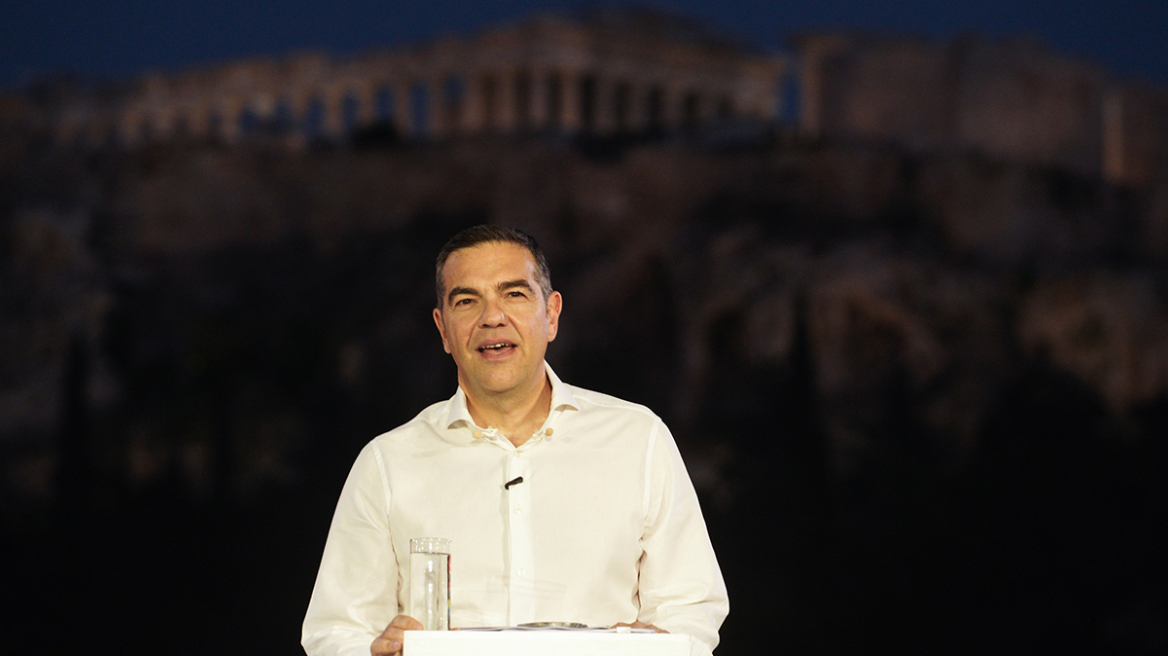
Spokesman Questions Governance Record and Funding
Government spokesman Pavlos Marinakis set the tone for the counteroffensive in consultation with Mitsotakis. Marinakis stated that Tsipras was attempting to rewrite history, adding that collective memory does not fade as easily as the former prime minister believes. Marinakis also remarked that Tsipras's claims of fighting financial interests resembled a summer theatrical revue.
Marinakis raised several questions regarding Tsipras's tenure, asking why his administration altered Penal Codes in 2019 and kept Parliament open after calling national elections. He also questioned when a shadow justice ministry operated at Maximos Mansion, referring to previous allegations made by former minister Stavros Kontonis.
In addition, Marinakis questioned who is funding the new political party being prepared by Tsipras and his upcoming appearance at the Thessaloniki International Fair. Tsipras intends to present his economic program at a hotel during the fair, an annual forum in northern Greece where political leaders outline policy. Marinakis noted that opposition party PASOK has similarly raised questions about the funding sources for Tsipras's new initiative.

Justice Minister Attacks Criminal Law and Past Scandals
Justice Minister Giorgos Floridis expanded the government's criticism, focusing on legislative and judicial controversies from Tsipras's term in office. Floridis attributed political responsibility for the Paraskevopoulos criminal law directly to Tsipras, asserting that the measure was enacted on the former prime minister's order and resulted in the release of murderers, rapists, and thousands of convicted prisoners.
Floridis also targeted Tsipras over the administration's television licensing process, which resulted in the conviction of former minister Nikos Pappas by the Special Court.
Turning to the Novartis judicial investigation, Floridis noted that the case ended with the exoneration of political figures and the conviction of individuals who had acted as protected witnesses.
Floridis stated that the Novartis affair represented the first and perhaps only attempt in Western democracies to apply Stalinist methods to eliminate political opponents of the coalition government led by Tsipras and Panos Kammenos. He added that Tsipras's alternate minister of justice received an irrevocable conviction from the Supreme Special Court for breach of duty related to the plot.

Business Allegations and Political Strategy
Government officials reinforced the critique by highlighting past public statements and admissions made by prominent business figures regarding the Tsipras administration.
Officials pointed to comments by businessman Dimitris Kontominas concerning alleged efforts by the previous government to gain control of the Alpha television channel. They also cited revelations by businessman Christos Kalogritsas regarding how an attempt was made to establish a new television station from scratch using Kalogritsas as a frontman.

The rapid response by Maximos Mansion during the August recess signals that the ruling administration intends to make Tsipras's past governing record a central theme in the upcoming political debate.
While Mitsotakis publicly maintains that the primary benchmark for his administration is fulfilling its own electoral commitments, government strategists are utilizing Tsipras's public statements to remind voters of his past record as he prepares to re-enter active political debate.