Japan's Maritime Self-Defense Force has fired a Tomahawk cruise missile with live ammunition for the first time from the destroyer JS Chokai, a Kongo-class ship, in what officials describe as a historic milestone for the Japanese navy.
The test came after months of modifications to the vessel, software adjustments and training alongside the United States Navy. Tokyo's message to the region is clear: its ships are now ready to strike strategic targets at long range if the situation demands it.
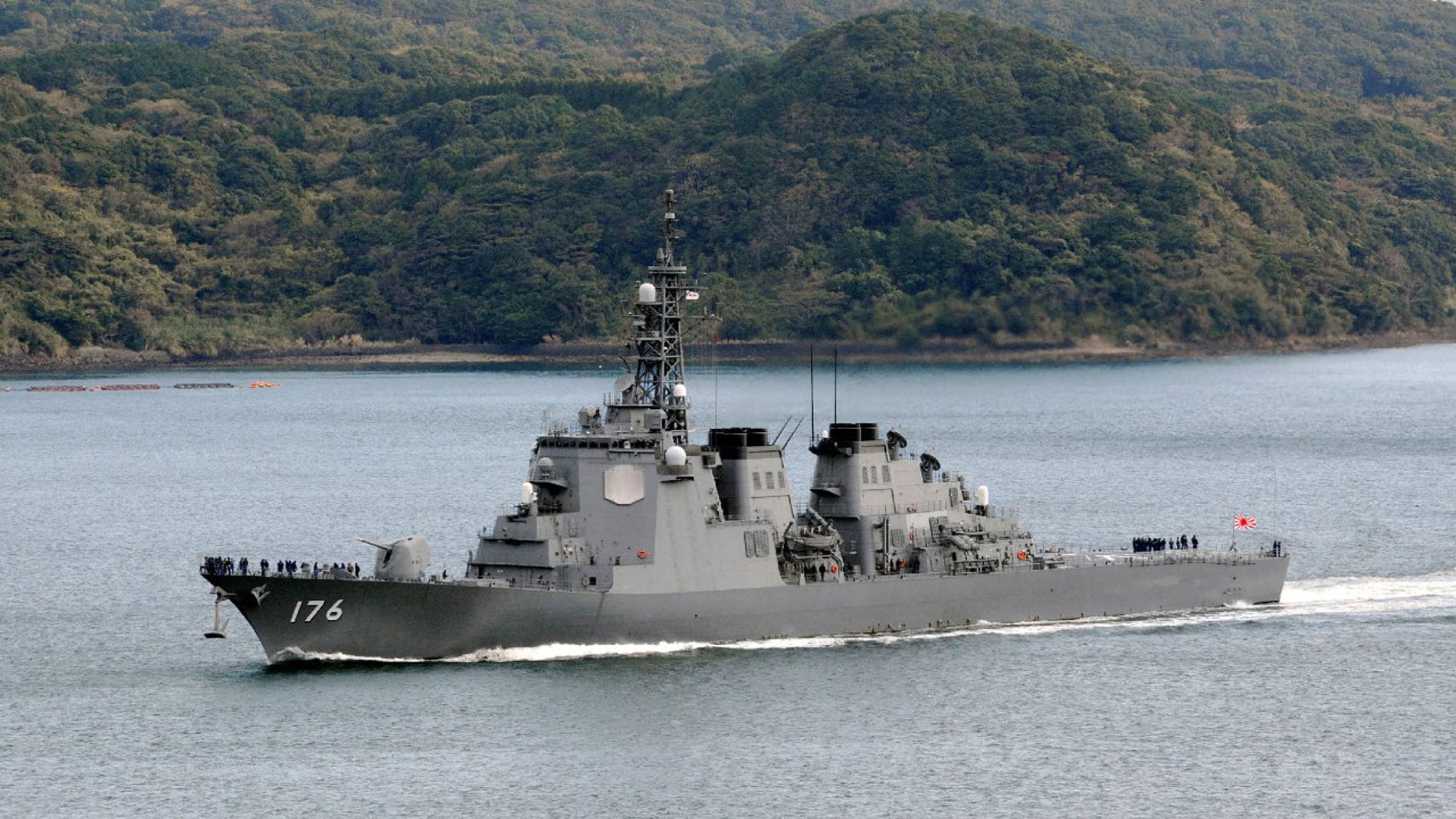
The path to the launch began in September 2025, when JS Chokai crossed the Pacific to the naval base in San Diego. There, working with American specialists, the ship underwent a major transformation while its crew began intensive training. Work at the shipyard concluded in March 2026, followed by an operational qualification phase that the ship passed successfully. Japan's Ministry of Defense is now preparing for the destroyer's return to its home base in Sasebo by the end of the year.
The Tokyo shift and the 400-missile purchase
The decisive push behind the deployment came from the 2022 National Defense Strategy, the document in which Tokyo formalized what it calls its counterstrike capability. The move marks a radical shift for Japan, from relying solely on interceptor shields to acquiring the real capacity to destroy enemy launch platforms, command posts and infrastructure. The contract, estimated at $1.03 billion, covers the purchase of 400 missiles, split evenly between 200 Block IV and 200 Block V units.
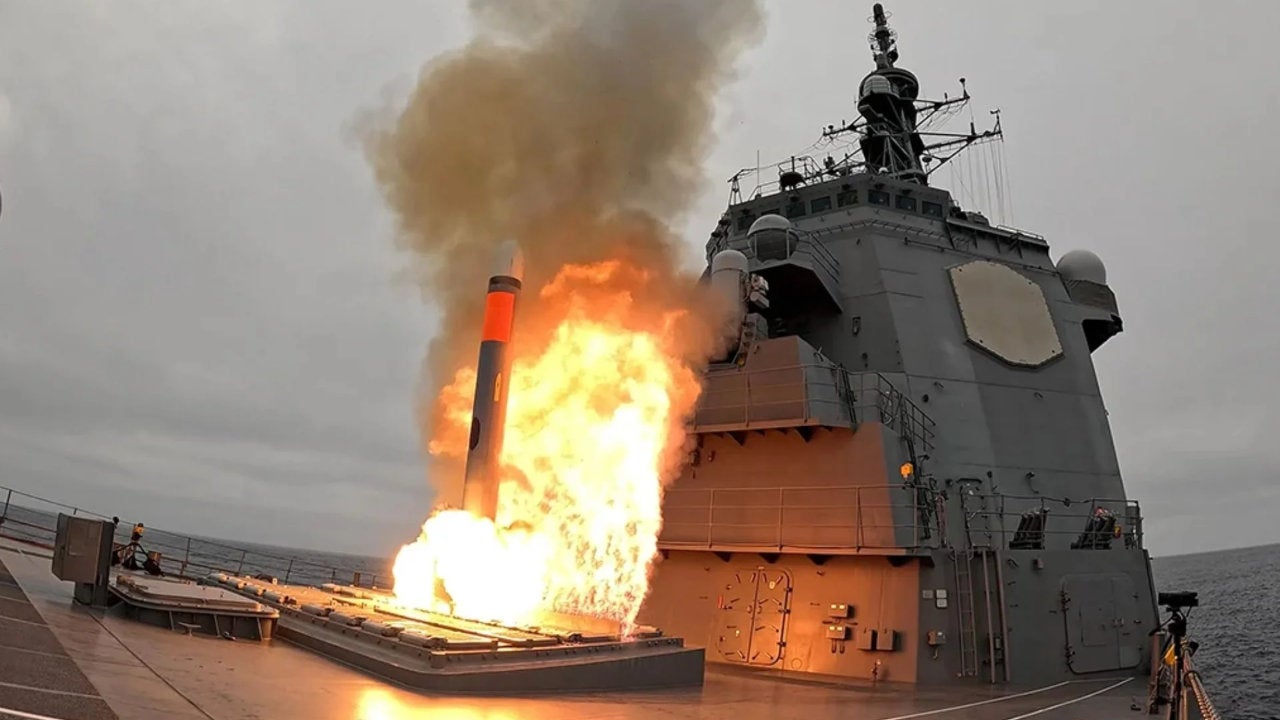
The missile at the center of the program is the BGM-109 Tomahawk, made by Raytheon Technologies and in US service since 1983. The subsonic missile is typically launched from the MK 41 vertical launch system or from torpedo tubes. After a solid rocket motor boosts it into flight, it deploys its wings and ignites a Williams F107 turbofan engine, cruising at Mach 0.75, or about 880 km/h. The Block IV variant has a range of roughly 1,600 kilometers, while the Block V reaches close to 1,800 kilometers and adds the ability to adjust course in flight and strike moving ships, using inertial navigation, GPS, TERCOM terrain-matching, DSMAC optical correlation and a two-way data link.
Why JS Chokai was chosen
The platform selected for the test was not chosen at random. JS Chokai, based on the US Arleigh Burke Flight I destroyers, forms part of the core of Japan's fleet. Its Aegis combat system and AN/SPY-1D radar had until now been focused on regional air defense and missile interception using the Standard Missile family. The Tomahawk takes advantage of the same MK 41 vertical launcher the ship already carries.
Japan's Aegis destroyers can now project naval power hundreds of kilometers, striking targets deep inside enemy territory without exposing the ships to coastal batteries. Sharing the Tomahawk with the US Navy also raises interoperability between the two countries, allowing them to plan joint missions. Beyond JS Chokai, the destroyers JS Kirishima, JS Haguro, JS Myoko and JS Atago are set to receive the same capability in an initial phase, before it is extended to the rest of Japan's Aegis fleet.