MBDA, Europe's largest missile manufacturer, and the German space company Atmos Space Cargo have signed a cooperation agreement to study developing a space-based weapons system capable of striking military targets anywhere on Earth within an hour.
The two companies said the agreement creates a framework for joint feasibility studies into what they call a Precision Orbital Deep Strike capability, known by the acronym PODS, as well as for designing the system, assessing how military payloads could be integrated, and running technology demonstrations.
Europe's biggest missile maker
MBDA is jointly owned by Airbus, BAE Systems and Leonardo and is the largest missile manufacturer in Europe. Its products include the Meteor air-to-air missile, carried by fighter jets such as the Eurofighter and Sweden's Gripen, and the Storm Shadow cruise missile, which Ukraine has used against Russian targets.
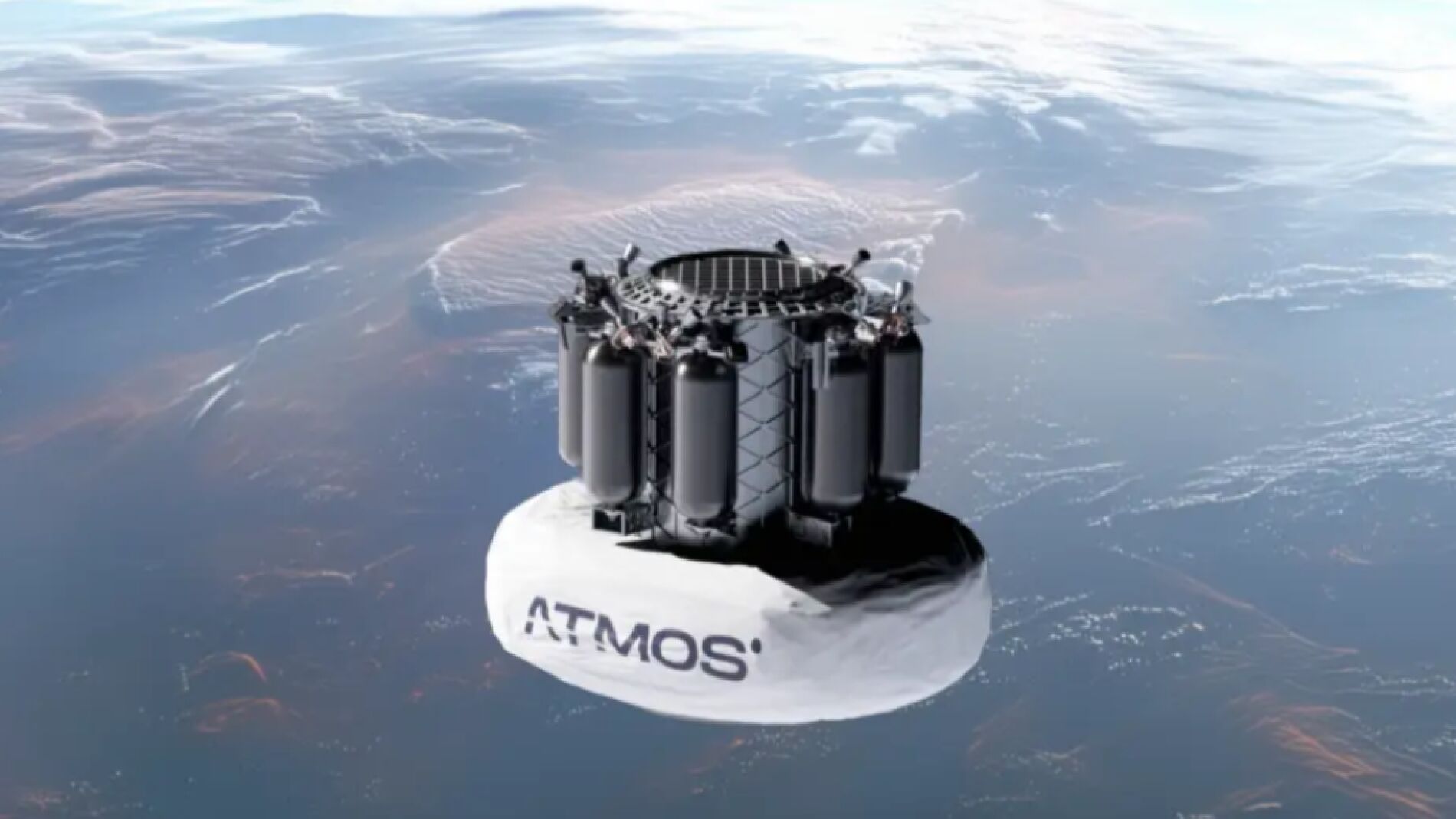
Atmos Space Cargo specializes in spacecraft that can carry cargo into orbit and return it safely to the surface of the Earth. Under the new agreement, the German company will contribute its expertise in orbital transport and atmospheric reentry, while MBDA brings its experience in defense systems and weapons.
A deterrent system
Atmos chief executive Sebastian Klaus argued last March that Europe needs a conventional deterrent capable of striking any legitimate military target anywhere on Earth from orbit within 60 minutes, the concept now covered by the PODS program.
Writing on LinkedIn, Klaus said the agreement brought together Atmos's experience in orbital transport and atmospheric reentry with MBDA's expertise in defense systems to explore a possible new conventional defense capability. He said the goal was deterrence, helping European allies prevent aggression by strengthening the credibility of Europe's ability to defend itself.
Thomas Gottschild, chief executive of MBDA Deutschland, said in a statement that the aim was to give European armed forces a sovereign and highly innovative capability of their own, and that the company was looking forward to working on the new project.
The Phoenix spacecraft family
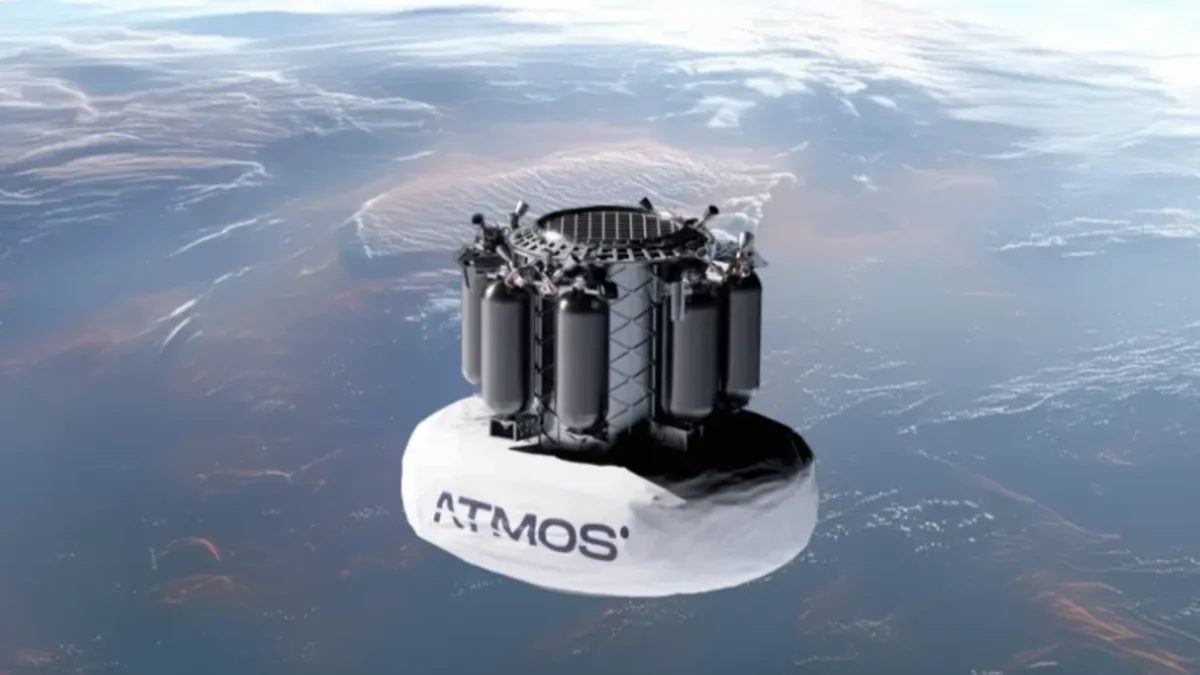
Atmos is developing a family of reusable spacecraft called Phoenix for cargo missions in low Earth orbit. The vehicles rely on an inflatable structure that works as both a heat shield and an aerodynamic brake during reentry into the atmosphere.
Atmos tested the technology in April 2025 and is now developing the Phoenix 2, which can carry 100 kilograms of payload on missions lasting between three hours and twelve months. Together with the European Space Agency, the company is also studying a larger Phoenix 3 version that could carry up to a tonne of cargo.
Atmos has said its civilian Phoenix vehicles are a separate project from the military system under study, though the reentry experience gained through that program will underpin the collaboration with MBDA.
What weapons, and what rules apply
Neither company has said what kind of weaponry the system might eventually carry, beyond specifying that it would be conventional rather than nuclear. The specialist defense outlet The War Zone has pointed to possible options including kinetic projectiles, which cause damage through the force of impact, and other munitions carried aboard reentry vehicles.
Among the technical challenges the companies will need to overcome are the extreme temperatures generated during atmospheric reentry, achieving sufficient precision, keeping weapons reliable after long periods in space, and the limits imposed by orbital mechanics itself. The cost of deploying and maintaining such systems in space would also be considerable.
The 1967 Outer Space Treaty bans the deployment of nuclear weapons and other weapons of mass destruction in orbit, but it sets no equivalent general ban on conventional weapons.
Further agreements still needed
MBDA and Atmos Space Cargo said any future project will require additional evaluations and new agreements, and that any deployment or use of the system would be subject to existing law and to authorization from the relevant government and military authorities.
What happens next
MBDA and Atmos Space Cargo said future work will require additional feasibility studies and new agreements before any system could be deployed or used.
Test yourself
Which two companies signed the cooperation agreement?
Within what timeframe is the orbital strike system meant to reach any target on Earth?
How much payload can the Phoenix 2 spacecraft carry?
Have your say
Should Europe develop space-based conventional weapons for deterrence?