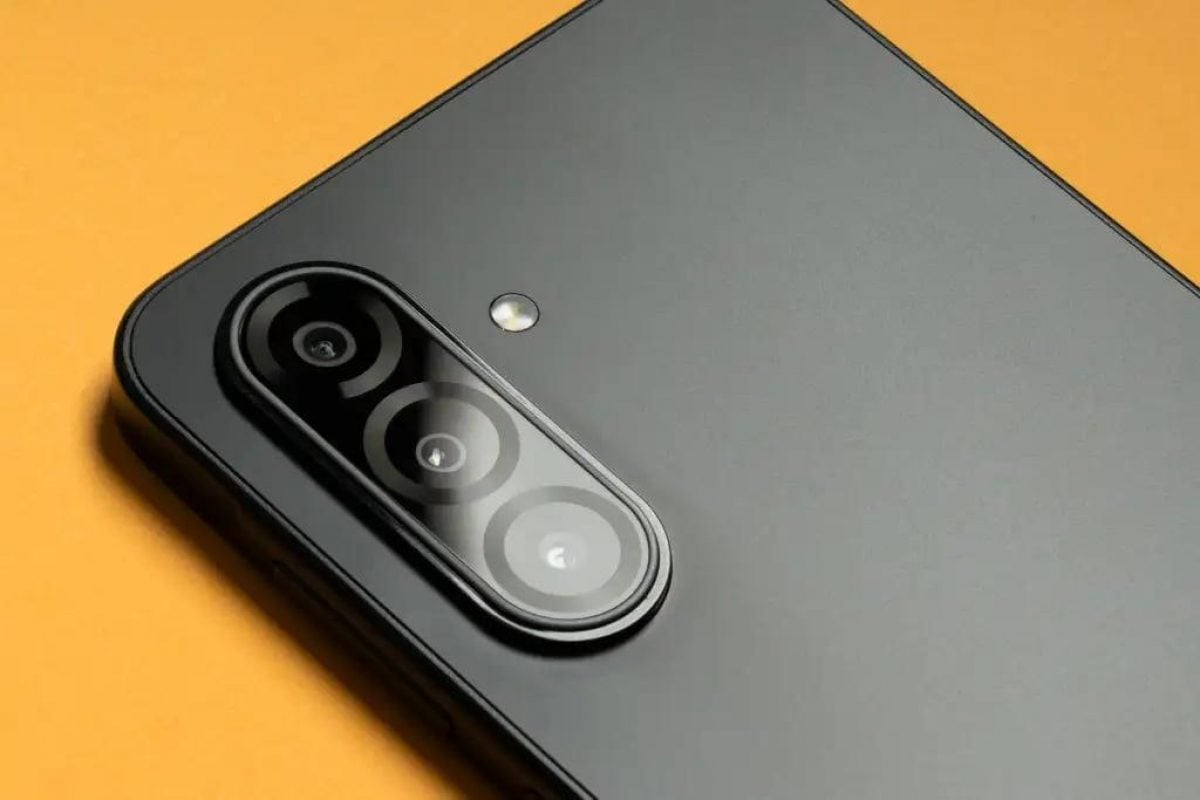
The Samsung Galaxy A17 5G has been highlighted as the best budget smartphone of 2026 by a New York Times reviewer for users seeking affordability.
The reviewer described the handset as a successful combination of an accessible price tag, long-term software support, and a collection of features typically reserved for more expensive mobile devices.
Selling for $200, or approximately 8,500 UAH, the smartphone features a 6.7-inch AMOLED screen with a 90 Hz refresh rate. Within the budget device market, the inclusion of an AMOLED panel provides a clear advantage over competing handsets that still rely on standard LCD displays.
Samsung Electronics, the South Korean technology manufacturer headquartered in Suwon, produces the Galaxy line of devices running Google's Android operating system. Active-matrix organic light-emitting diode technology delivers higher contrast levels and deeper blacks than traditional liquid crystal displays, making the screen suitable for daily applications, video streaming, and mobile gaming.
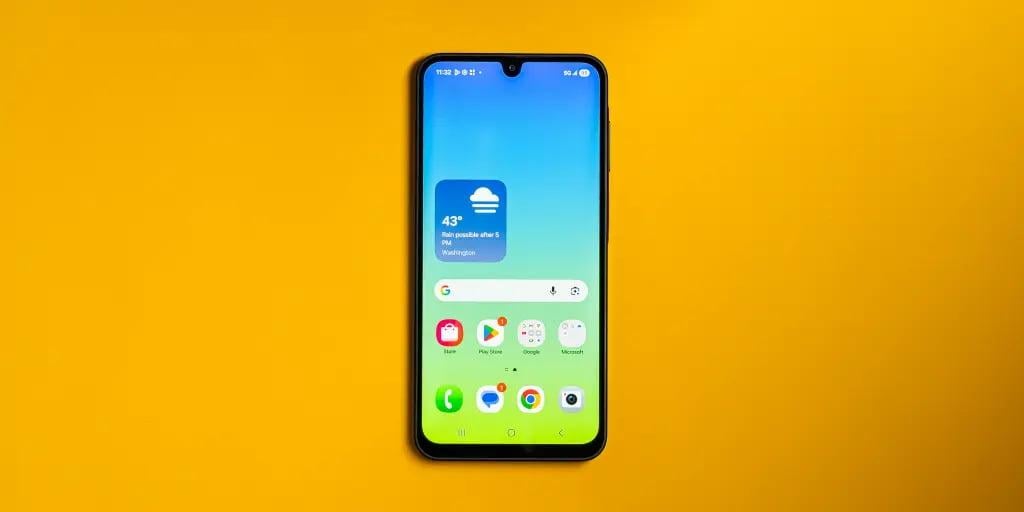
Another key advantage of the Galaxy A17 5G is its extended software maintenance schedule. Samsung guarantees six years of security updates alongside six years of Android operating system upgrades. That commitment allows owners to use the device potentially until 2031 while maintaining access to current operating system versions and vital security patches.
A 5,000 mAh battery supplies power for the handset. Under active daily usage including watching YouTube videos, listening to podcasts, using satellite navigation, sending messages, streaming Netflix shows, and playing mobile games, the phone operates throughout the day without needing a charge. It supports wired charging at up to 25 W, although wireless charging is not available.
Performance tradeoffs and missing features
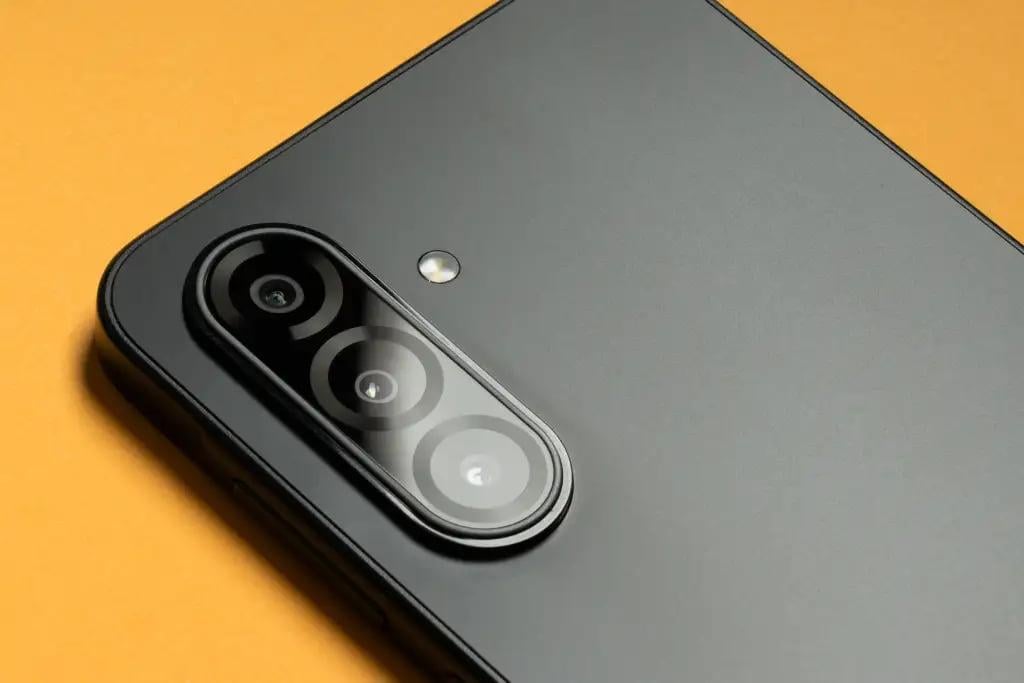
Despite its feature set, the Galaxy A17 5G is not the highest-performing smartphone in its price tier. The base configuration includes 4 GB of RAM and 128 GB of internal storage. While sufficient for routine tasks, delays can occur when running multiple applications simultaneously, and demanding programs such as Google Maps may occasionally experience lag or slow opening times.
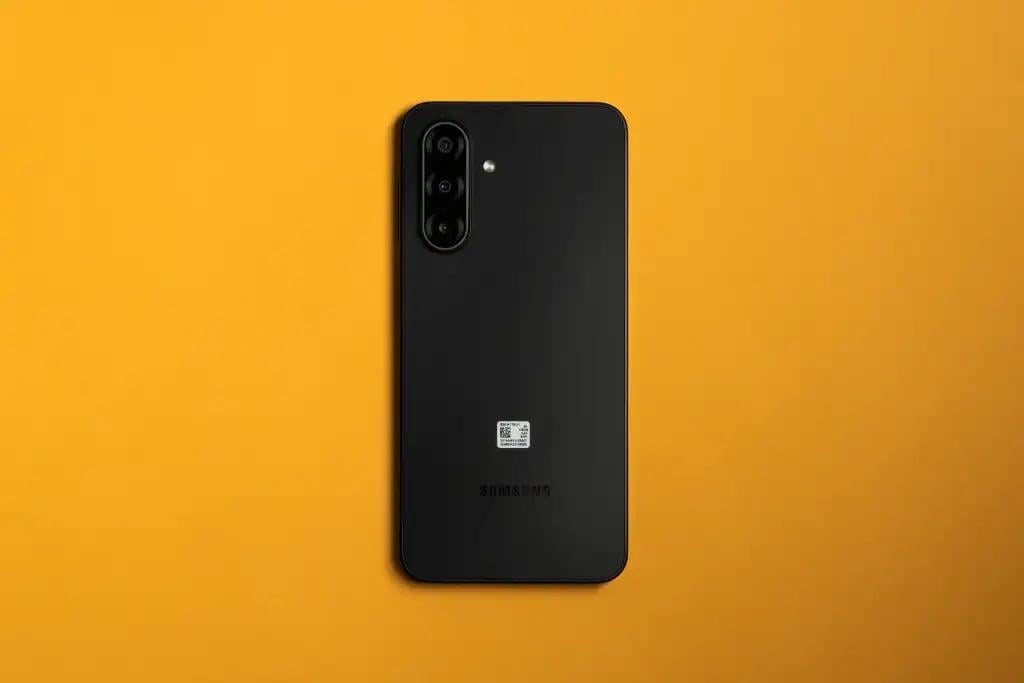
The device also omits traditional audio features, as Samsung has removed the 3.5 mm headphone jack from the model. The built-in speakers provide basic sound quality, meaning users will need a separate headset for comfortable music or video listening.
Otherwise, the Galaxy A17 5G includes a broad set of functional features for its price point. It comes equipped with Near Field Communication for contactless payments, eSIM capability, a fingerprint scanner, expandable memory support, and an IP54 rating for protection against dust and water splashes.
An IP54 rating indicates that a phone is built to withstand limited dust exposure and light water splashes from any direction. Near Field Communication enables short-range wireless data exchange for digital transactions. In earlier coverage, UNIAN reported that Samsung has stopped including charging cables in boxes for budget Galaxy models, shipping handsets with only user documentation and a SIM card ejection tool.
Alternative options in higher price brackets
For consumers willing to spend more, the reviewer highlighted two higher-priced alternative smartphones. The Moto G Power (2026), priced at $350, comes with 8 GB of ROM, a 120 Hz display, and higher processing performance, with a battery capable of lasting several days under heavy usage. However, Motorola offers only three years of security updates for the phone. Motorola is a mobile hardware brand owned by technology company Lenovo.
At a higher price point, the Pixel 10a begins at $500. It features a 6.3-inch OLED display with a 120 Hz refresh rate and a peak brightness of 3,000 nits. The phone shares the camera setup and Tensor G4 chip used in the Pixel 9a while offering faster charging speeds and strong battery longevity. Google promises seven years of software updates for the model, extending its operational life into the autumn of 2033.
For users seeking high-end performance hardware designed to remain competitive over five years, benchmark rankings published by AnTuTu show that the top ten most powerful smartphones currently available are all built on Qualcomm's Snapdragon 8 Elite processor.