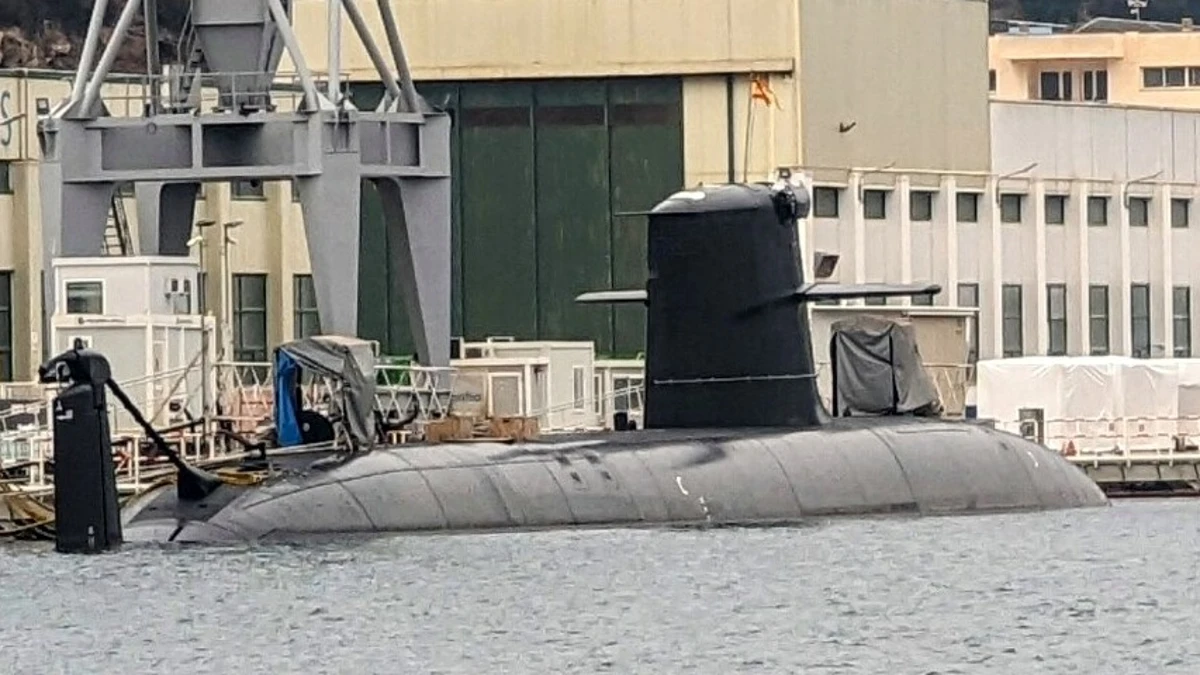
French defence journalist Laurent Lagneau said Spain's first S-80-class submarine, the Isaac Peral, could have dived but probably would not have returned to the surface, recalling a design error found in the vessel's plans in 2013.
Lagneau, who writes for the French defence website Zone Militaire, raised the episode on November 13, 2026, while reviewing the history of Spain's submarine programme. Engineers at the Cartagena shipyard had discovered, 12 years earlier, that the submarine weighed about 70 tonnes more than planned while it was still under construction.
How Spain fixed the weight problem
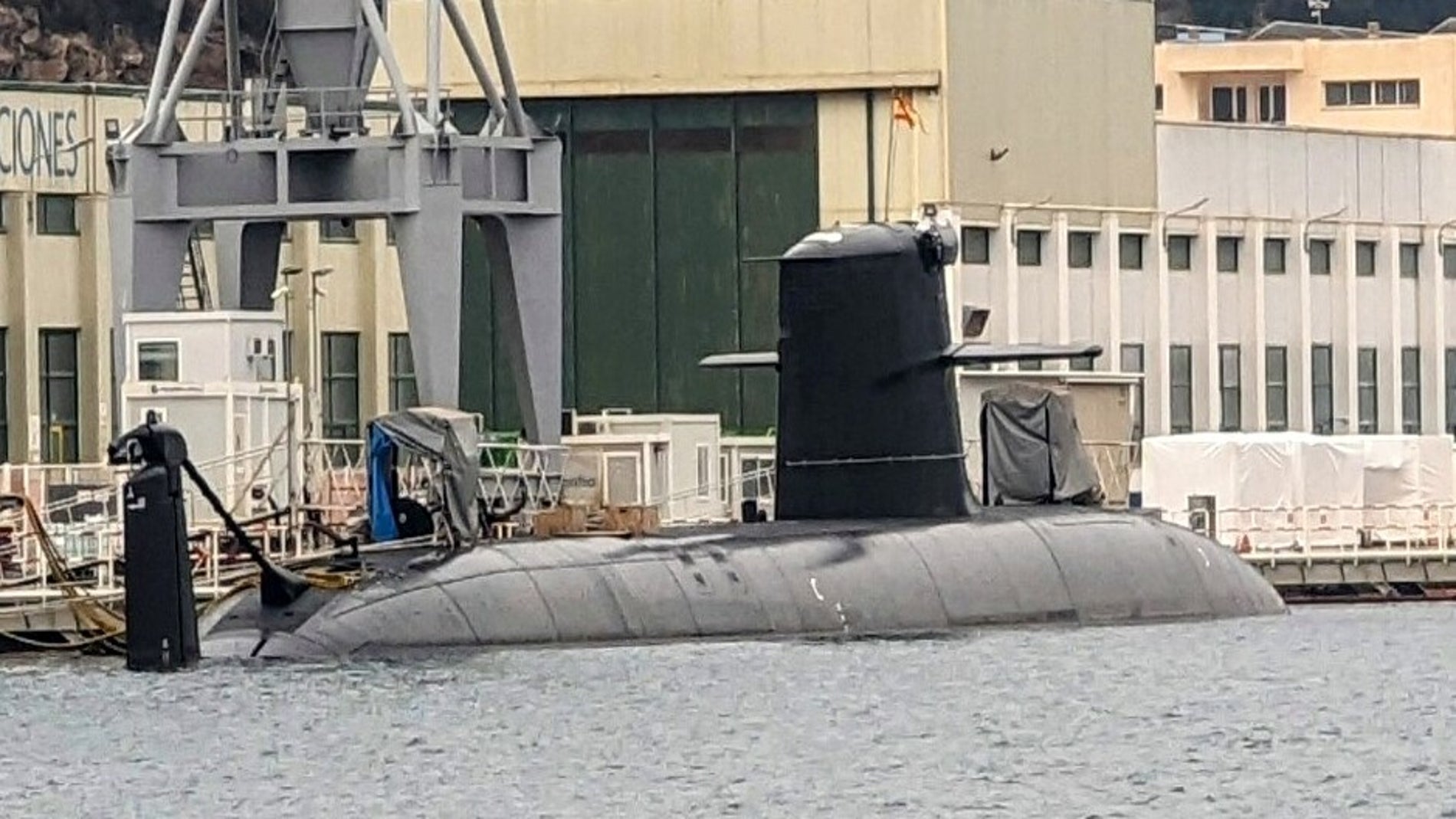
To correct the error, Spain turned to Electric Boat, the American submarine builder owned by General Dynamics. The fix was to lengthen the Isaac Peral's hull by about nine metres, giving it more volume to displace extra water and recover the buoyancy margin it had lacked. The change forced the Navy to redraw its delivery schedule.
Years of delay in Cartagena
The Spanish Navy had expected to receive four diesel-electric S-80 submarines between 2015 and 2018 to replace vessels that had entered service in the 1980s. When that deadline passed, the first boat was still in the shipyard, and the programme's cost had already drawn attention outside Spain. The Isaac Peral was finally launched in 2021, and the Navy formally took delivery on November 30, 2023, at the same port in Cartagena where it had been built.
First NATO patrol
With the submarine delivered, the Navy still had to test how it and its crew performed far from home. On its first international mission, as part of NATO's Sea Guardian operation, the Isaac Peral sailed more than 5,050 nautical miles, according to Spain's Joint Chiefs of Staff. It called at Augusta in Sicily, at Alexandria, and in Souda Bay in Crete, and while under NATO operational control the crew identified vessels and passed its observations to the alliance. The submarine returned to Cartagena on November 28, 2025, having logged 840 hours of submerged navigation over a 46-day deployment, with families of the crew waiting on the dock as it approached under its own power.
Sinking an old patrol ship
On November 4, 2026, the Navy reported another milestone. During an Atlantic exercise known as Sinkex 26, held in October, the Isaac Peral sank the decommissioned patrol vessel Infanta Elena with a single DM2A4 torpedo. The frigates Navarra and Cristobal Colon also took part. The test offered a measure of what it means for Spain to build its own submarines, an ambition that survived the 2013 crisis over the vessel's weight.

Three sister submarines
The Isaac Peral's three sister ships are at different stages. The second, the Narciso Monturiol, was launched in October 2025. For the third, the Cosme Garcia, the Spanish shipbuilder Navantia is developing a propulsion system that will let it stay submerged for longer. Spain's official gazette, the BOE, has reported obsolescence problems in 14 systems across the S-80 submarines and set out what will need to be modernised. The modernisation programme covers all four submarines as well as the facilities used to maintain them throughout their service with the Navy.
Lagneau put the cost of that investment at close to 2.4 billion euros, which is what led him to revisit the programme's early troubles. Twelve years passed between the weight problem found at the shipyard and the submarine's return from its first international patrol.
What happens next
Navantia is continuing to develop a new propulsion system for the third submarine, the Cosme Garcia, as part of a modernisation programme covering all four S-80 vessels.
Test yourself
What design flaw did engineers find in the Isaac Peral in 2013?
Which company helped Spain fix the submarine's weight problem?
What vessel did the Isaac Peral sink during a 2026 exercise?
Have your say
Do you think the extra years and cost of fixing Spain's submarine programme were justified?
Where it happened
Cartagena, Spain