

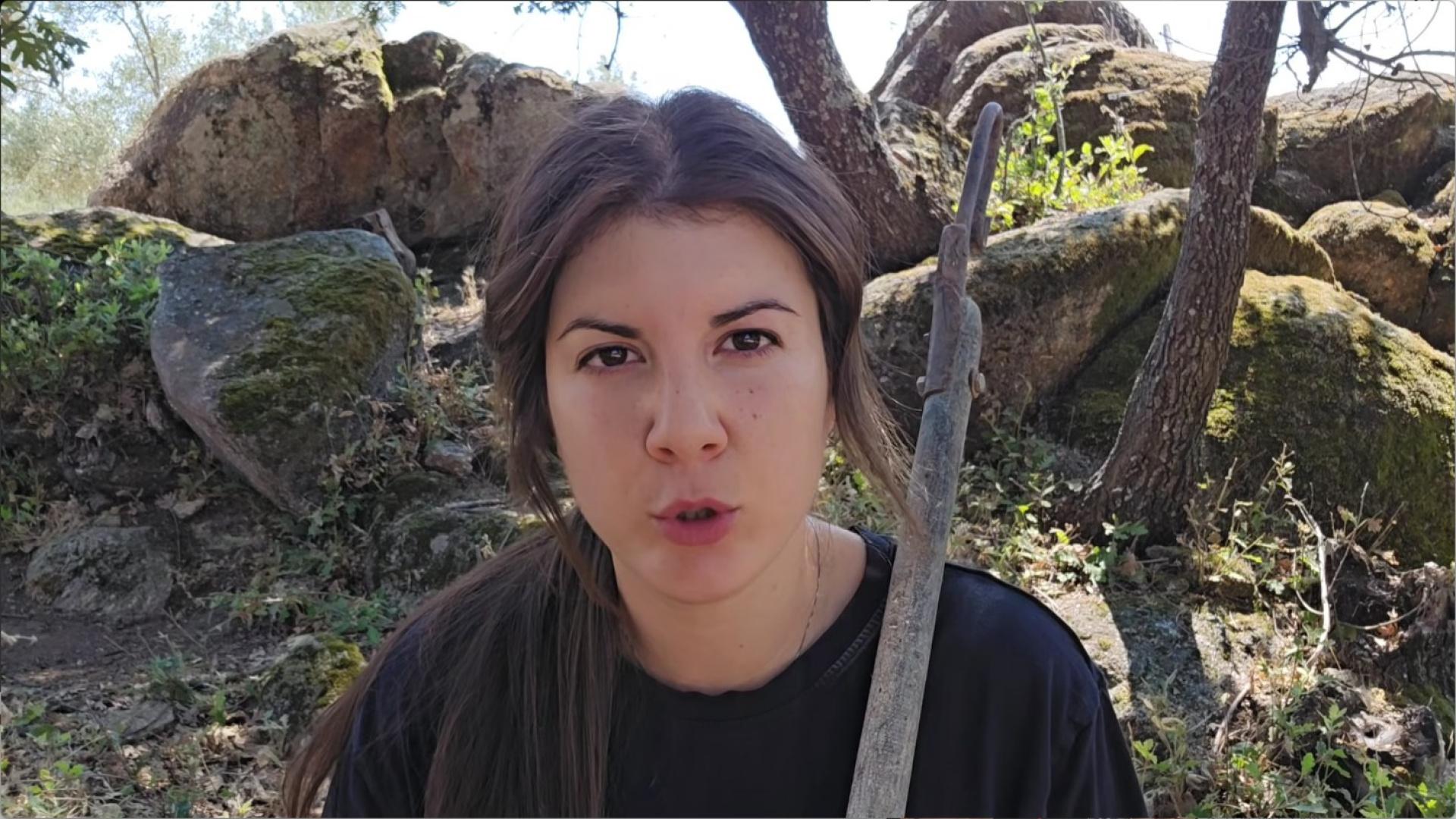
Nazaret Martin, a farmer and livestock breeder from the Spanish province of Caceres, says Spain's food security is a lie because the country allows cheap olive imports from Morocco.
The crisis in the Spanish countryside has sparked a debate beyond food prices. Martin said the main issue is an agricultural model that is destroying the primary sector by allowing products from countries with less stringent rules.
Martin gave an interview on the YouTube channel of Roberto Vaquero, delivering a strong critique of the current agricultural production and marketing system. She said if Spain truly cared about food security, Moroccan olives would not enter the market.
The young woman from Extremadura said Spanish farmers face growing environmental, health and bureaucratic restrictions that raise their production costs. She said these rules do not apply to food arriving from outside the European Union.
Unfair competition
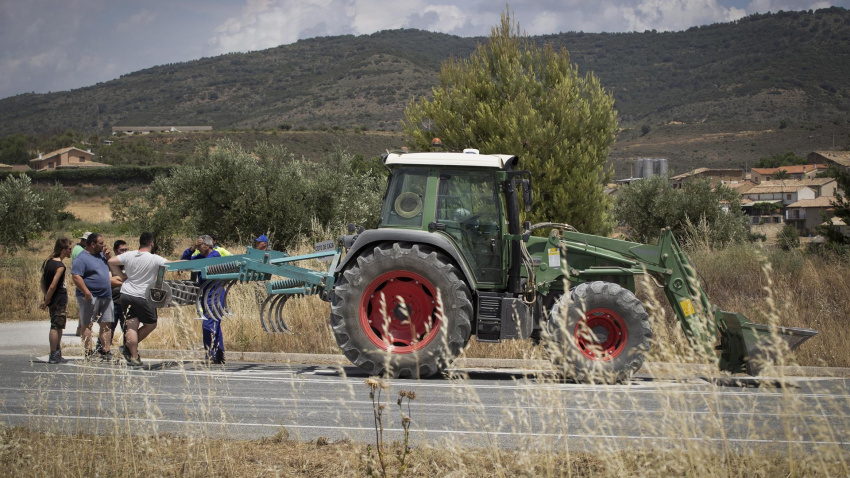
She said imposing strict production rules while allowing free entry for foreign products that bypass health and food safety standards makes fair competition impossible. This imbalance is forcing the progressive closure of family farms, she said.
Martin pointed to the olive industry, an activity she knows directly through her family business. She said Morocco is planting immense super-intensive olive groves and will end the Spanish olive industry when it starts exporting them.
She said her production costs are around one euro per kilo, while Moroccan farmers can produce a kilo for 50 cents. She said this is because Moroccan farmers have lower labor costs and are free to use chemicals that Spain bans.
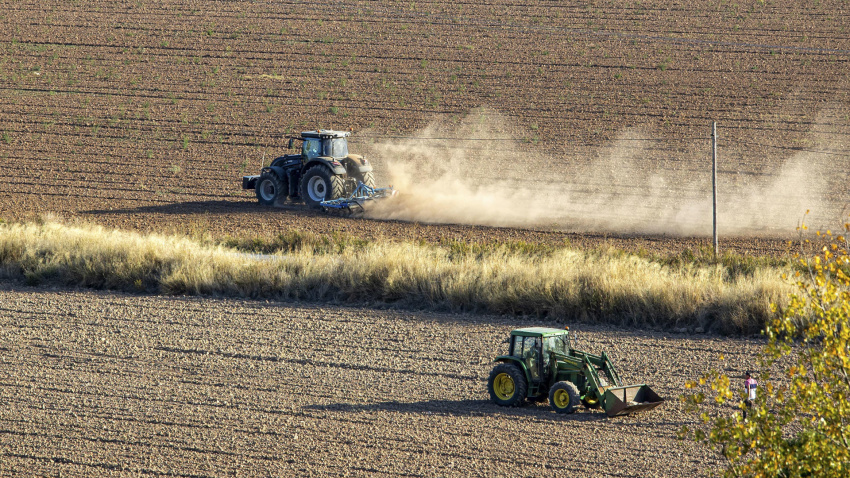
The farmer said this foreign competition also undermines labor rights. She said the current system encourages the purchase of products from countries that ignore Spanish labor laws and rights.
Large businesses
Martin said the agricultural model favors the concentration of production in large companies and investment funds over small operations. She said many people wrongly believe all farmers own huge tractors and thousands of hectares of land.
There are many family farms like hers finding it increasingly difficult to survive, she said. This distorted image means much of society does not empathize with those who live off the land, according to Martin.
She said farmers are demonized so workers view them as wealthy business owners rather than part of the middle class.
European regulations
Martin said agricultural cooperatives serve as a tool for small farms to compete in the market. She said the union of small farmers helps build production volume and negotiating strength.
However, she said this formula loses its effectiveness if European regulations continue to limit productivity at the source. She said having a cooperative does not matter if the rules force you to produce less and be less competitive.
Much of the interview centered on the Common Agricultural Policy. She said decisions made in Brussels are disproportionately harming Mediterranean countries like Spain.
Food sovereignty
The Common Agricultural Policy, the European Green Deal and the Nature Restoration Law increase costs and lower production, she said. Martin called for a much more protectionist policy for Spanish agricultural products.
She said the government should impose tariffs on foreign products so they compete on equal terms with local goods, if they do not have to follow the same rules.
Martin said the future of the primary sector depends on recovering the capacity to produce food in Spain. She said Spain will lose its food sovereignty if it continues to close farms and rely on other countries to feed itself.


