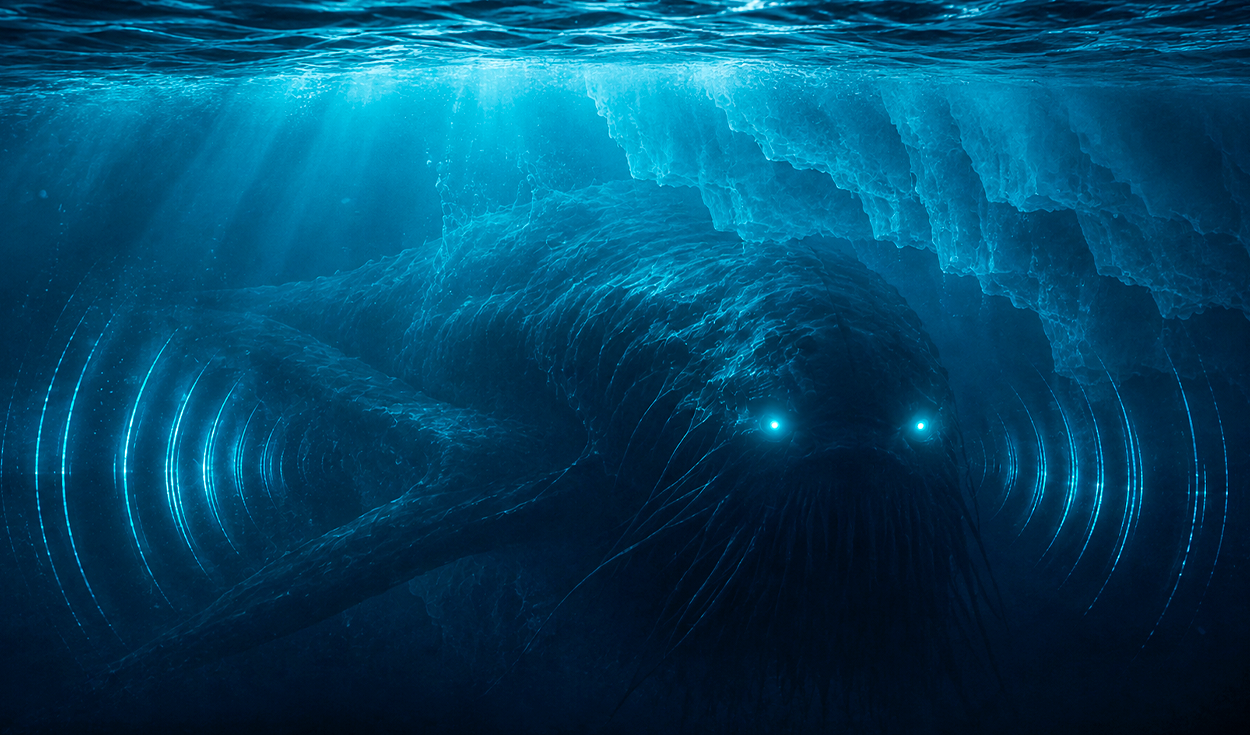
The National Oceanic and Atmospheric Administration detected a mysterious low-frequency Pacific sound in 1997 known as The Bloop, which originated from Antarctic icequakes.
Sensors at NOAA's Pacific Marine Environmental Laboratory recorded the powerful acoustic signal on 19 May 1997 across the South Pacific Ocean. The massive underwater noise was picked up by hydrophones located more than 5,000 kilometres apart, triggering nearly three decades of scientific investigation and popular speculation about giant sea monsters.
Geophysicist Robert Dziak and a team of researchers provided the conclusive explanation for the enigma following years of acoustic tracking. Dziak stated that the frequency and duration characteristics of The Bloop were consistent with, and essentially identical to, icequake signals recorded in Antarctica. NOAA confirmed the physical cause as a geophysical event caused by cracking ice, ruling out any biological origin or unknown sea creature.
Detection by Cold War hydrophone networks
The signal was initially picked up by an extensive array of underwater hydrophones. These acoustic sensors were originally deployed during the Cold War to track enemy submarines across global ocean basins.
The sound wave traveled vast distances through the SOFAR channel, or Sound Fixing and Ranging channel. This specialized oceanic layer occurs at a depth where water temperature and pressure combine to create ideal acoustic conditions, allowing sound waves to travel thousands of kilometres with minimal loss of energy.
The National Oceanic and Atmospheric Administration is a United States scientific agency responsible for monitoring oceanic and atmospheric conditions. Its Pacific Marine Environmental Laboratory, based in Seattle, conducts long-term acoustic monitoring of oceanic soundscapes using autonomous underwater hydrophones.
Sea monster myths and internet distortions
Because the 1997 recording did not match any known biological pattern or man-made acoustic signature, experts initially classified the event as an unresolved mystery under the name The Bloop. The absence of an immediate explanation fueled wild hypotheses, ranging from giant squids and uncatalogued whale species to legendary monsters. Popular lore linked the sound to author H. P. Lovecraft's fictional sea entity Cthulhu, as the recorded coordinates in the South Pacific closely aligned with the location of the writer's mythical sunken city.
Widespread public misperceptions about the sound were further magnified by audio recordings shared on the internet. Dziak explained that the primary reason for the widespread misconception about an animal origin was the way the sound was reproduced for the public, typically sped up to 16 times its natural speed. That playback speed made the noise resemble an animal vocalisation, whereas at its natural speed, the event was a deep, low-frequency rumble.
Antarctic icequakes solve the ocean mystery
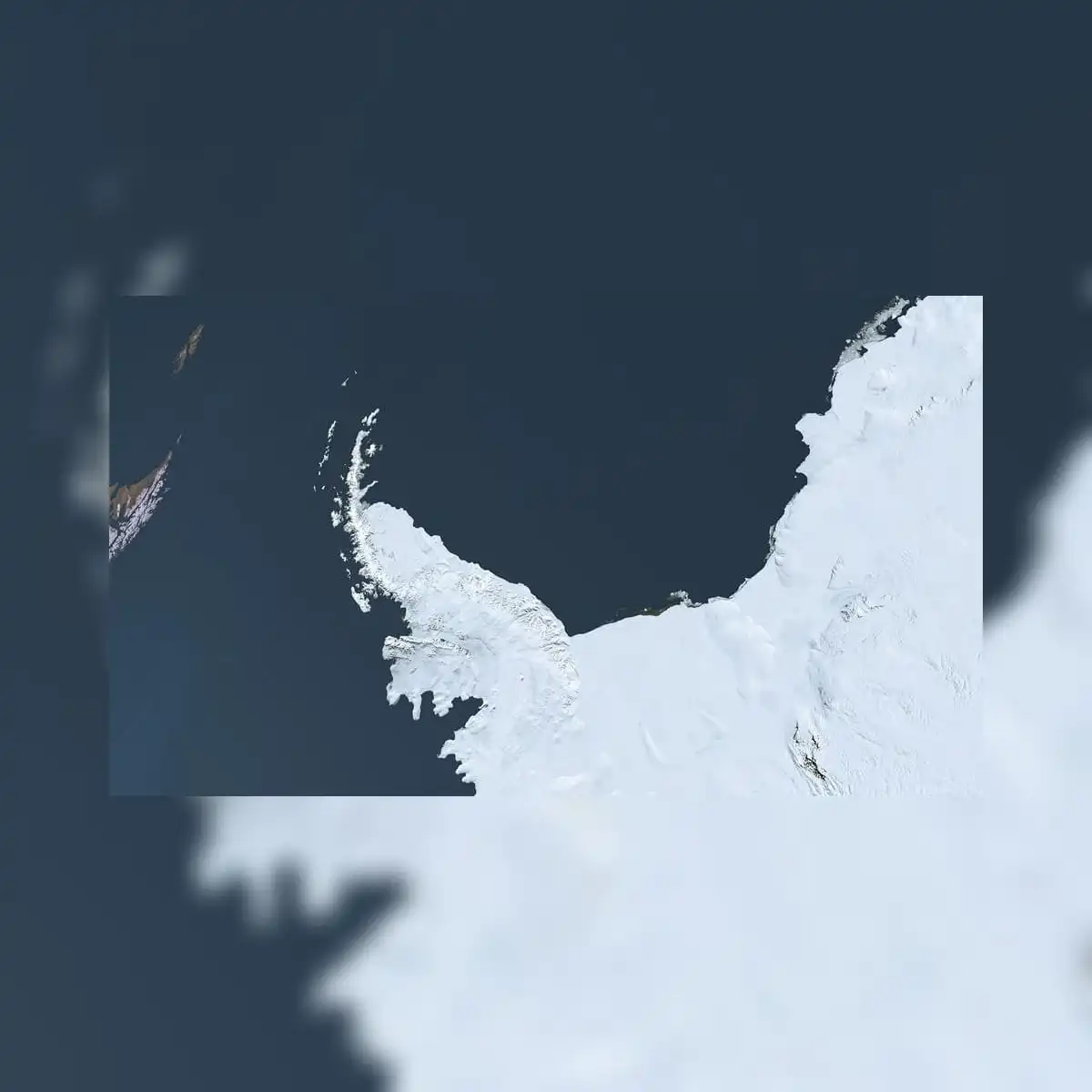
Scientific progress toward identifying the true source accelerated around 2005, when researchers deployed new hydrophone networks in close proximity to Antarctic territory. Sensors near the frozen continent captured acoustic signals with frequency profiles identical to the 1997 recording.
Analysis of spectrograms confirmed that the acoustic phenomenon was an icequake, also known as a crioseismo. Icequakes occur when massive glaciers and ice sheets on the Antarctic continent crack, fracture, and break apart under intense pressure before calving into the ocean to form icebergs.
Between 2011 and 2012, comprehensive acoustic comparisons conducted by Dziak and his colleagues established that the Bloop signal matched Antarctic iceberg fracturing events in every measurable detail. The findings definitively closed the 28-year scientific puzzle, confirming that the mysterious roar of the deep was generated by breaking polar ice rather than a creature lurking in the abyss.