The ZigurFest music festival returned to the streets of Lamego on Thursday, launching three days of free concerts, artistic residencies and shared community experiences.
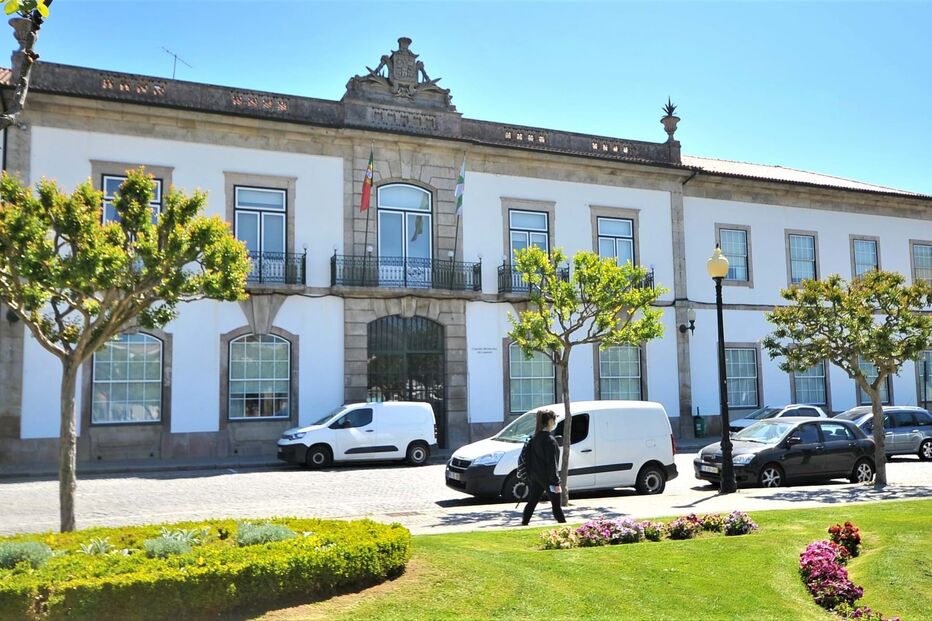
The free event runs through Saturday across key locations in the city, which is situated in the northern Portuguese district of Viseu. Performances and activities are taking place at the Teatro Ribeiro Conceição, Rua da Olaria, Alameda, and the Bairro da Ponte neighbourhood.
Festival lineup and community focus
Organisers said the festival aims to serve as a space for discovery, meeting and exploration, bringing together community initiatives with some of the essential names in modern Portuguese music.
The festival features a diverse roster of musical acts, including Aires, Dan Iro, Plano Trifásico, and La Familia Gitana. The full programme also highlights performances by Alomorfia, Clarisse e os Desviados, KIK, Lesma, Mangualde, Prado, Riva Mut, Soundwalk Cidade Sonora, Tribo Improviso e Amigos, and Vasco Alves.
Organisers stated that ZigurFest offers more than a traditional concert schedule, focusing instead on an experience built directly from the community and the connection between artists, audiences and the host city.
A transition year and festival history
This year's edition marks a pivotal transition for the event. Organisers noted that this will be the final time the festival takes place solely during the peak of summer, leaving open new paths for future editions.
First established in 2011, ZigurFest originally launched every August. The festival shifted its main schedule to July starting in 2023, before returning to an August date for the 2026 edition.
Created as a modern music festival, the event was designed to energise the cultural landscape in the interior region of Portugal and to encourage audiences of all ages to discover new Portuguese artists.
Cultural impact in interior Portugal
Lamego, an ancient city in northern Portugal known for its rich architecture, provides a historic backdrop for the contemporary soundscapes of ZigurFest. Landmark venues such as the Teatro Ribeiro Conceição and the traditional streets of the Bairro da Ponte allow attendees to experience new Portuguese music within local heritage settings.