

Artificial intelligence is becoming an increasingly vital tool in surgical environments, helping to minimize errors and enhance patient safety, medical experts Giovanni Guido Cerri and Cesar Namura told Dr. Roberto Kalil on CNN Sinais Vitais.
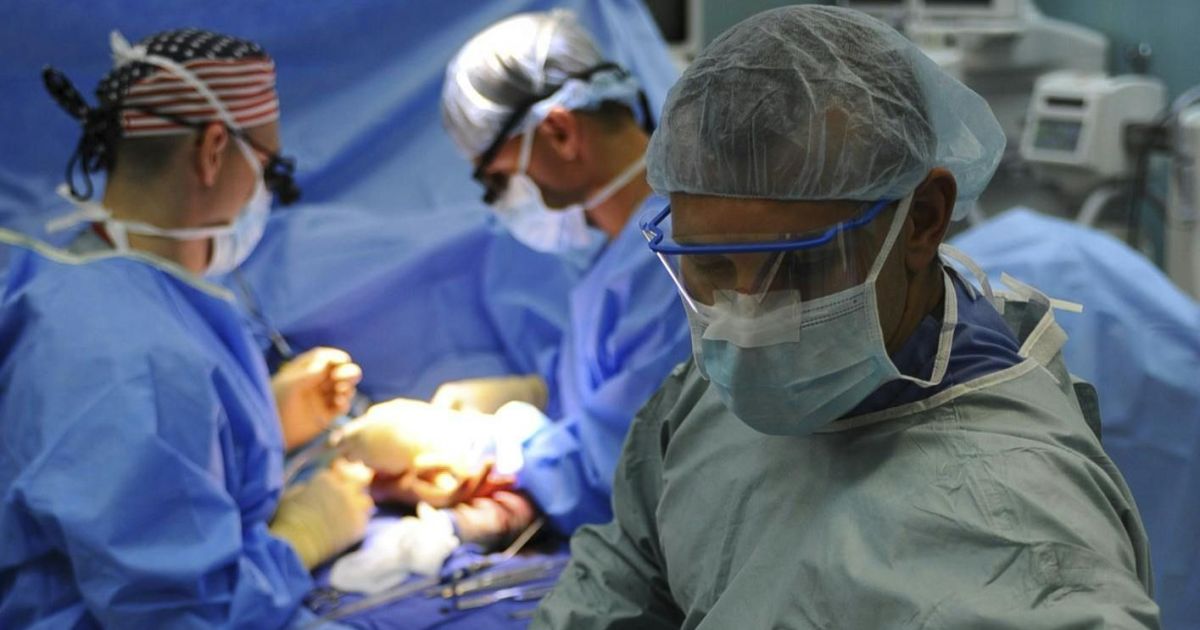
Speaking during a broadcast of the health program, Cerri explained that AI applications significantly impact surgical procedures by guiding doctors during complex operations. He noted that automated systems can prevent a surgeon from making an incorrect movement that could injure a patient's organ or artery.
Cerri highlighted research initiatives at Inova HC, an innovation center focused on health technology. The center operates dedicated development units, including the Artificial Intelligence Laboratory, the Digital Health Laboratory, and the Advanced Surgery Laboratory.
Essential role of traditional medical training
When asked about the skills future doctors must cultivate to work effectively alongside artificial intelligence, Namura stressed that traditional medical education remains fundamental. He stated that natural human intelligence is even more vital than artificial algorithms in clinical environments.
Namura explained that physicians must serve as curators of information produced by algorithmic systems. Doctors need to exercise critical judgment to evaluate where data comes from and whether the received information is reliable.
He also emphasized the importance of digital literacy, noting that technical competence extends beyond simply operating software tools. Namura warned that medical professionals must verify the origin of data and cannot accept unexamined inputs when making patient decisions.
CNN Sinais Vitais is a medical news program hosted by cardiologist Dr. Roberto Kalil on CNN Brazil. Inova HC is the technological innovation hub associated with the Hospital das Clinicas complex in Sao Paulo, supporting medical technology research across Brazil.
Formulating precise prompts for algorithm accuracy
The experts also discussed the necessity of asking precise questions when using artificial intelligence systems, a process referred to as prompting. Namura explained that broad or generic queries tend to yield imprecise responses, creating potential hazards for both laypeople and medical professionals.
Namura stated that clinicians must present the right question to the right algorithm to obtain useful findings. He observed that existing algorithms are not yet fully complete and cannot replace doctors, making proper operational knowledge essential.
Under this approach, the physician remains the primary authority responsible for clinical decisions, using artificial intelligence as an auxiliary support tool rather than a substitute.


