Australia is the nation best positioned to maintain essential societal functions and recover following a global catastrophic disaster, according to an international study published in the journal Global Challenges.
Led by researcher Florian Ulrich Jehn, an international team of scientists reviewed 3,200 academic documents to evaluate how different regions across the world would withstand extreme global disruptions.
The researchers emphasized, however, that no location on Earth offers complete protection from a planet-altering crisis.
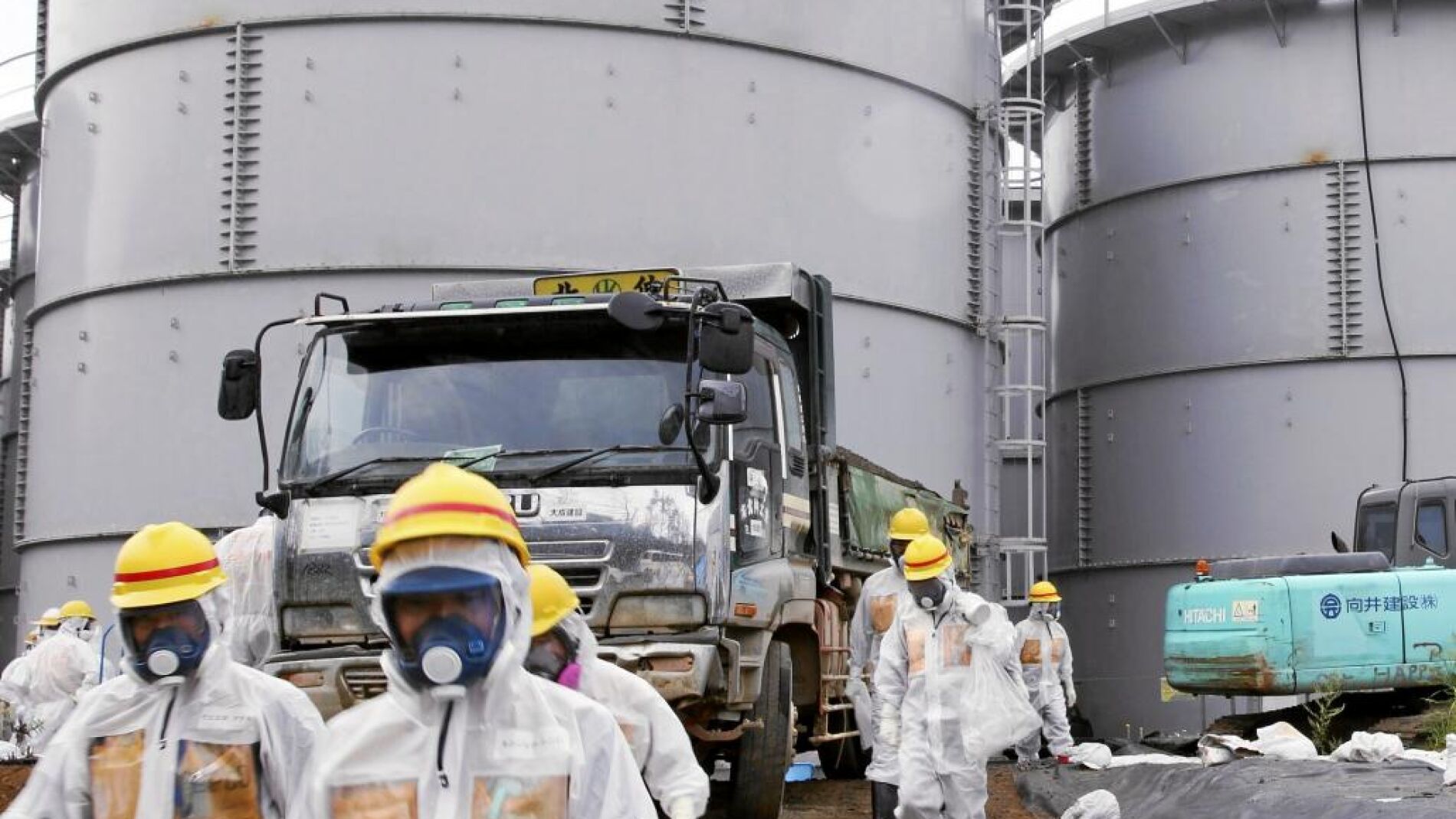
Scenarios of global collapse
The study evaluated societal resilience across three major catastrophic scenarios: an abrupt reduction in sunlight reaching Earth, a widespread loss of critical infrastructure, and severe biological crises.
The sunlight reduction scenario examined events such as a nuclear winter following atomic warfare, a massive volcanic eruption, or an asteroid impact. Such events would lower global temperatures and disrupt crop production worldwide.
The infrastructure scenario analyzed continental or global blackouts caused by severe geomagnetic solar storms, major cyberattacks, or electromagnetic pulses.
The biological scenario evaluated high-severity global pandemics, including naturally occurring outbreaks, accidental laboratory releases, and deliberate biological attacks.
Rather than attempting to calculate absolute survival odds, Jehn and his team defined resilience as a society's capability to maintain core functions and public welfare during extreme shocks, recover afterward, and adapt to changed conditions. The team identified key global patterns through expert evaluation of the scientific literature.
Southern Hemisphere advantages
Australia appeared most frequently across the reviewed literature as potentially resilient to the catastrophic risks analyzed. New Zealand, Brazil, and Argentina also featured repeatedly in the findings, while Switzerland and Japan were highlighted as well.
Geographical isolation serves as Australia's primary defense. The country lies far from major nuclear conflict zones in the Northern Hemisphere and sits in the Southern Hemisphere, where no nuclear-armed states are located.
Australia also benefits from a vast territorial expanse, diverse climate zones, substantial food production, a solid industrial base, abundant energy resources, and extensive forested areas.
In sunlight reduction scenarios, Southern Hemisphere regions could hold an advantage if the triggering catastrophe occurs in the Northern Hemisphere. Islands and regions capable of producing food while maintaining long growing seasons offer distinct benefits.
The study highlighted the island state of Tasmania as a potential refuge within a refuge. As part of Australia, Tasmania combines island isolation with temperate weather and strong agricultural capacity.
Vulnerabilities and trade dependencies
When evaluating infrastructure collapse, geographical distance alone provides limited protection. Modern societies rely heavily on cross-border supply chains for electricity, communications, transport, fuel, and fertilizers.
Australia and New Zealand ranked among the best-prepared societies for infrastructure failures due to their domestic industrial and agricultural strength. However, the authors noted a fundamental paradox: while self-sufficiency aids survival, complete isolation creates severe drawbacks.
For biological crises, the best-positioned nations combined robust healthcare systems, universal healthcare coverage, border control capabilities, secure supply chains, low corruption levels, and high public trust in institutions. Australia and New Zealand met many of these criteria, alongside Canada, Switzerland, and several Scandinavian nations.
Despite its advantages, Australia relies on international trade for critical products, including fuels, medicines, and fertilizers. A prolonged disruption to global trade routes could transform these geographical advantages into serious vulnerabilities.
Additionally, Australia's strategic alliance with the United States could heighten its risk exposure during scenarios involving nuclear war or major power conflicts.
Limits of geographic isolation
The authors stressed that physical geography cannot protect against all catastrophe types. An island nation can enforce quarantine effectively during a pandemic, but may remain isolated from critical external aid following an infrastructure collapse.
Similarly, extensive coastlines facilitate maritime trade but increase exposure to tsunamis generated by oceanic asteroid impacts. Furthermore, while distance from major volcanic zones reduces direct risks, no country is immune to global climate disruptions caused by massive eruptions elsewhere.
Technology presents another double-edged sword. Industrialized societies possess extensive resources to operate hospitals, grow food, and rebuild systems, but remain deeply reliant on digital networks and complex supply chains. Less technological societies may face initial vulnerabilities, but often retain greater capacity to rely on manual systems and low-tech production.
Jehn and his team concluded that survival ultimately depends not on finding a remote geographic hideaway, but on building resilient societies capable of maintaining food production, energy, infrastructure, and public care while sustaining international relationships.