London technology company Electronic Materials Office has unveiled the Altar II, a wireless mechanical keyboard measuring less than five millimetres thick.
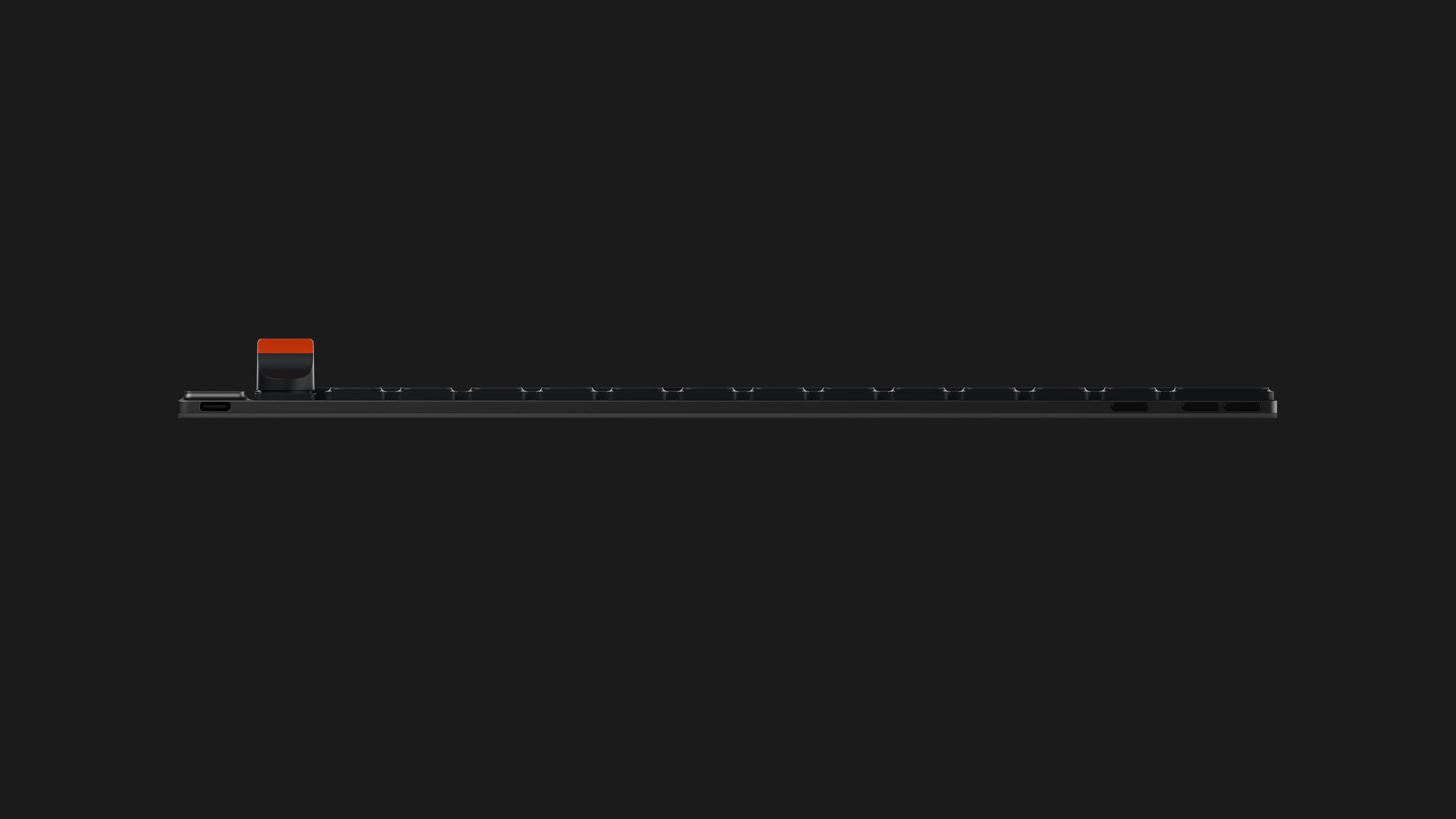
The British manufacturer compressed a full mechanical typing mechanism, a battery and a haptic motor into a CNC-machined 6061 aerospace-grade aluminium chassis measuring 4.75 millimetres in thickness.
The device arrives as the successor to the original Altar I keyboard, which sold out completely and received a Red Dot design award.
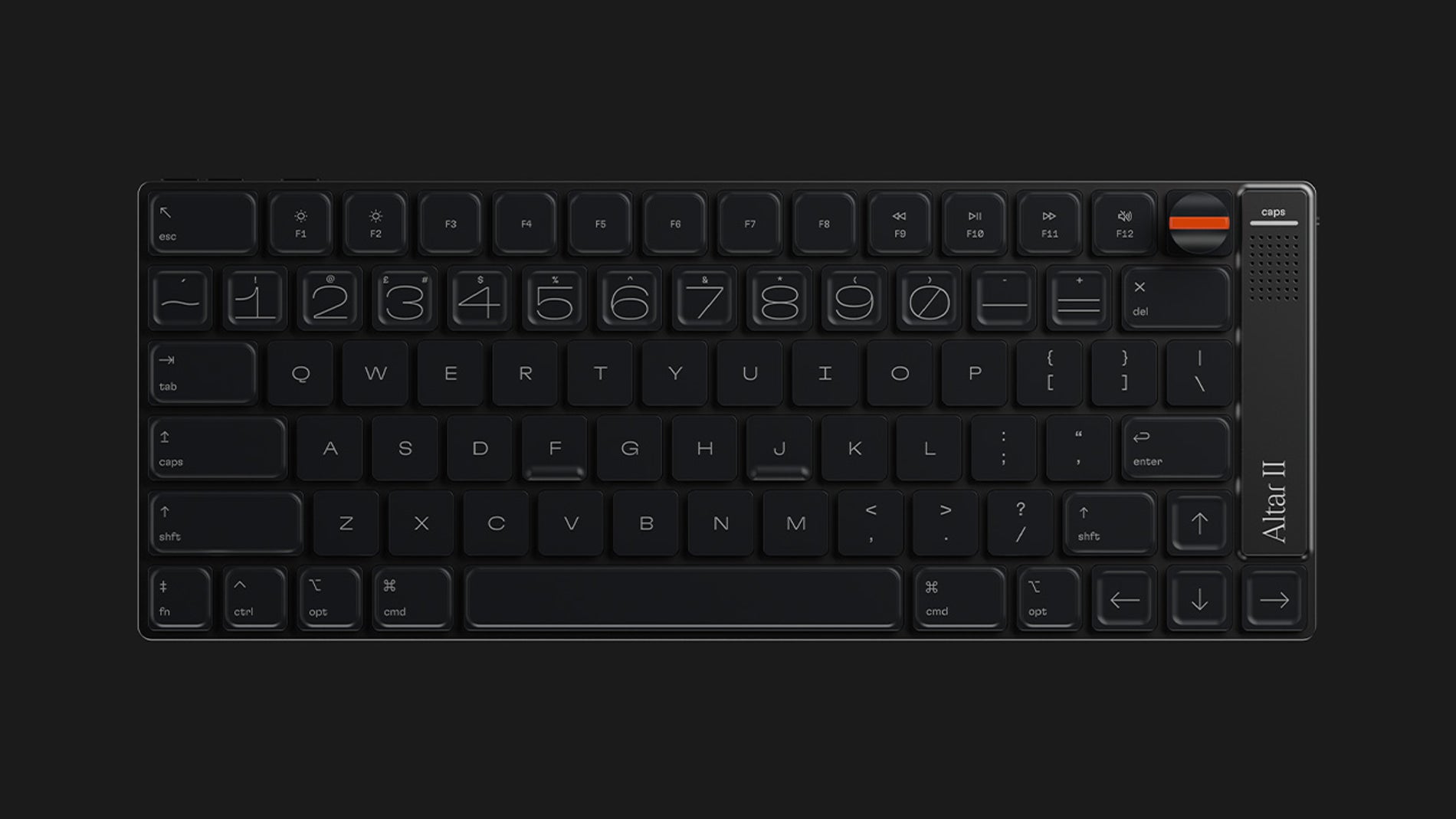
Electronic Materials Office, based in London, manufactures computer peripherals. Mechanical keyboards typically rely on bulky physical switches to deliver deep key travel and tactile feedback, whereas thinner designs traditionally use scissor mechanisms with a softer feel.
Custom scissor switch and dampening architecture
To achieve the profile of under half a centimetre, EMO redesigned its internal architecture by relocating all electrical components to the upper section of the logic board and incorporating a multi-layer dampening system.
The keyboard incorporates custom mechanical scissor switches featuring a double steel arm and a retention spring. The mechanism provides 1.8 millimetres of key travel with an actuation force of 40 grams-force. Keycaps are constructed using REGEN polymer, which contains a minimum of 50 percent recycled material.
EMO added an Inertial Damper membrane between the main logic board and the aluminium chassis, paired with a large elastomer bottom pad to isolate vibrations and refine typing acoustics. Company designers stated that the thin profile allows user wrists to rest flat on the desk surface, removing the need for external wrist rests.
Detachable magnetic control dial and haptic feedback
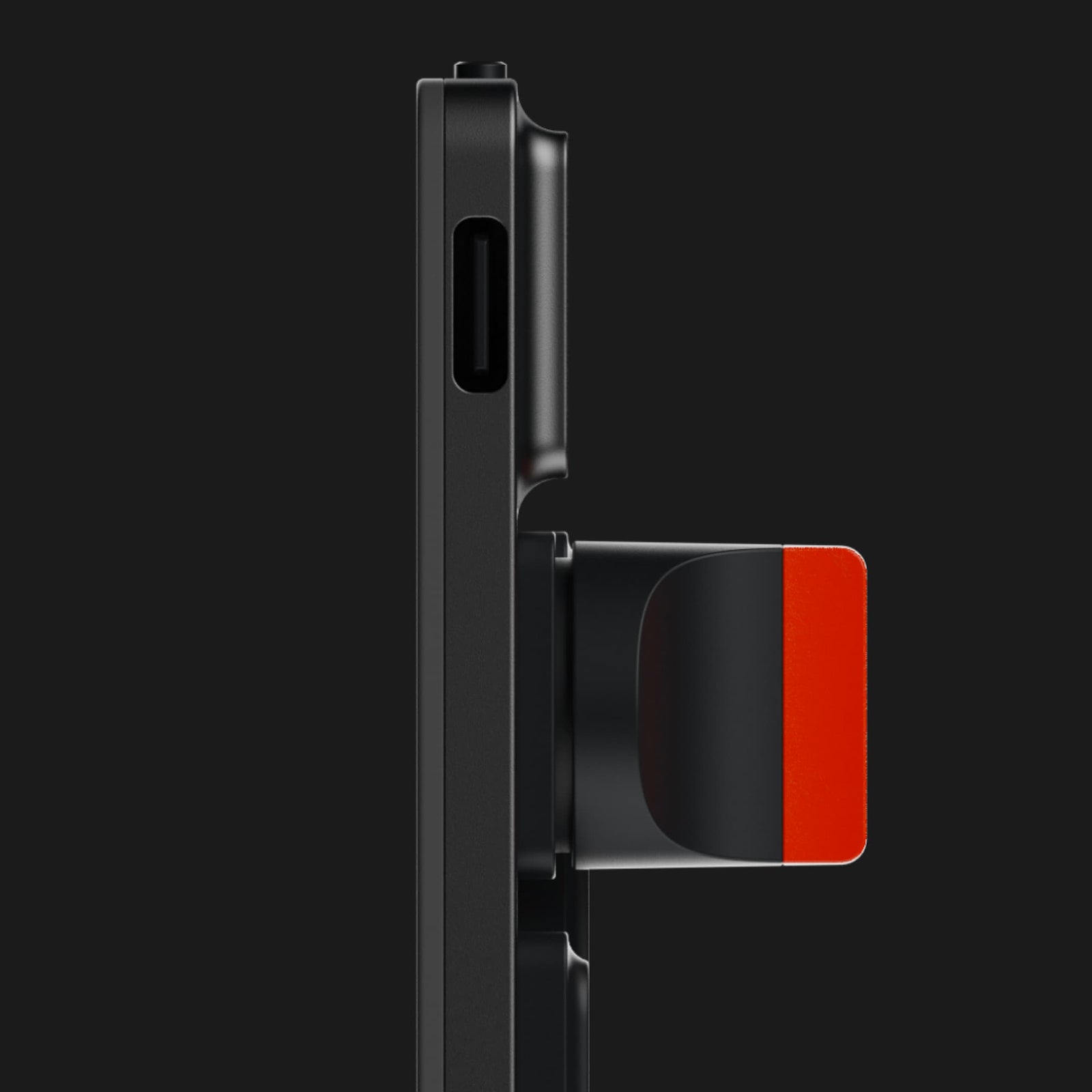
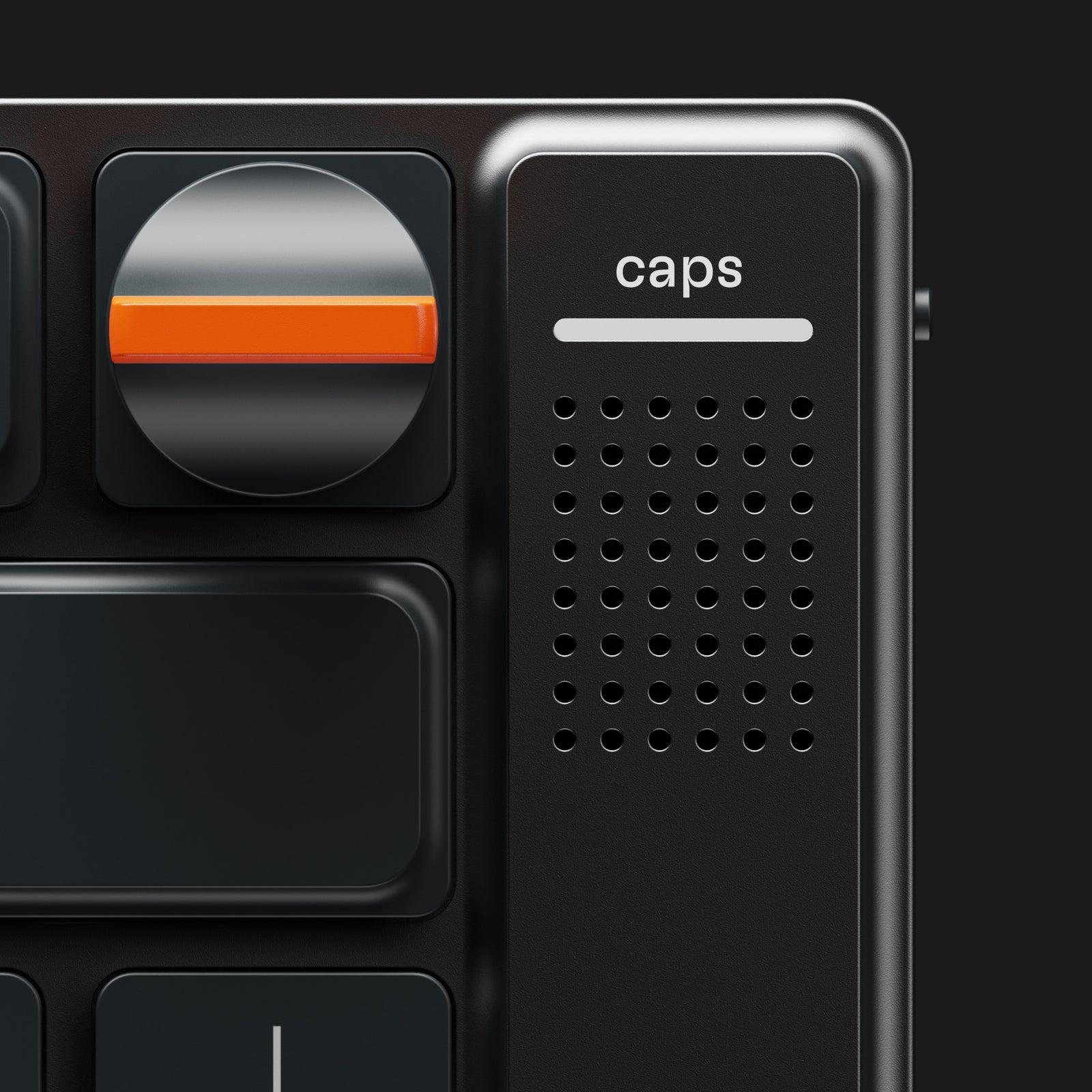
The top right corner of the keyboard features the M-Dial, a detachable magnetic rotary control dial supplied with two distinct variants.
The control wheel operates alongside an internal Harmonic Synthesiser linear resonant actuator located inside the chassis. As the user rotates the dial over a flat surface, the haptic motor simulates physical tactile clicks against the user's fingers.
The dial registers touch inputs, allowing a single press to pause audio playback, a double press to skip forward, a triple press to skip backward, and a long press to activate Apple's Siri voice assistant. EMO announced that it will release 3D schematics for the dial on GitHub, allowing users to 3D print custom dial designs.
An internal speaker emits subtle audible clicks and confirmation sounds when users switch between connected Bluetooth devices or connect a charging cable.
Operating system integration and specialized red backlighting
While compatible with Windows 10, Windows 11 and Linux, the Altar II features a macOS key layout with dedicated Command and Option keys. Hardware customization is managed through Sanctuary, a companion application written natively in Swift for Apple operating systems.
The Sanctuary application enables users to remap keys, modify haptic feedback intensity, and configure application-specific shortcuts that automatically switch depending on the active program on screen.
Illumination is provided by NiteLite, a lighting system that uses long-wavelength red LEDs instead of traditional white or RGB LEDs. EMO stated that the red light design is intended to reduce nighttime eye strain and avoid disrupting sleep cycles during late-night coding or design sessions. An integrated ambient light sensor adjusts brightness automatically to preserve battery life.
Battery specification, connectivity and Kickstarter launch
The keyboard offers up to 30 days of battery life on a full charge. Fast charging over USB-C provides two days of operation from a two-minute charge.
Connectivity options include two Bluetooth 5.0 Low Energy wireless channels alongside a wired USB-C connection.
Electronic Materials Office will launch an official crowdfunding campaign on Kickstarter on 10 November 2026. The final retail price for the keyboard is set at 349 dollars.
Customers can reserve a unit immediately on the company website for a refundable one-dollar deposit, unlocking an exclusive advance price of 249 dollars. Kickstarter campaign pricing is structured at 279 dollars for the first 48 hours of early-bird backing, followed by a standard campaign tier of 299 dollars. Initial production units are scheduled to ship to backers in early summer 2027.