

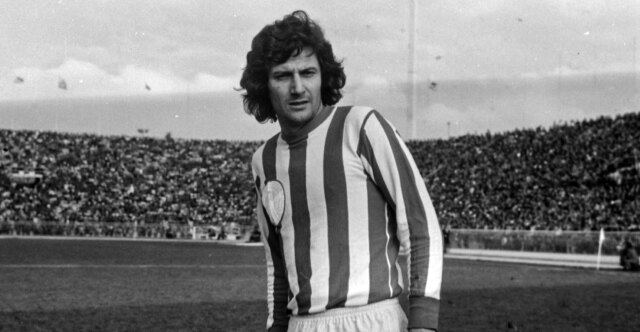
Uruguayan football legend Milton Viera died on Monday night at the age of 80, leaving behind a decorated career across South America and Greece.
The former midfielder won five Greek league championships during the 1970s while playing for Olympiacos and AEK Athens, spreading grief across the Greek football community following the announcement of his death.
Viera stood out as one of the most effective and aggressive Latin American players to compete in Greece, known for playing on the edge and getting involved in physical scuffles during and after matches.
During his prime, he earned a selection to a prestigious World XI squad alongside football icons Pelé, Johan Cruyff, and Franz Beckenbauer, as well as his Olympiacos teammate Giorgos Delikaris.
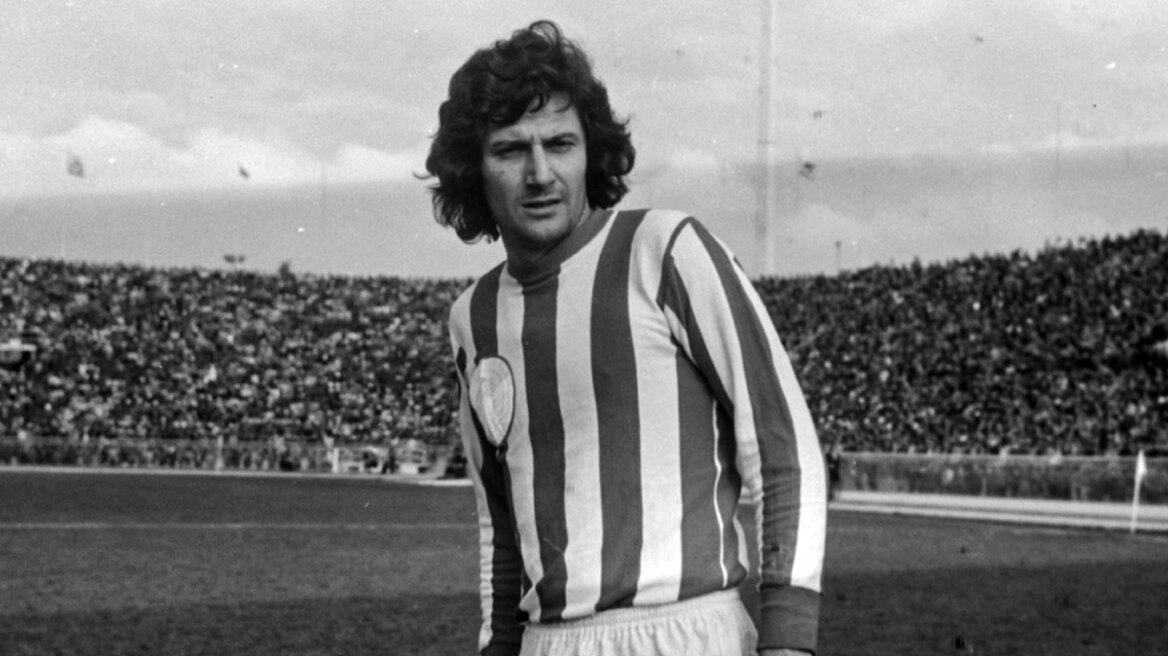
Early life in Melo and the Tornillo nickname
Viera was born in Melo, a small town of approximately 50,000 residents located in northeastern Uruguay, about 40 kilometres from the border with Brazil. The town is also proud of poet Juana de Ibarbourou, known as Juana de América, who died in 1979.
Growing up with six siblings, Viera focused entirely on football from an early age. Despite his tall stature, he earned the admiration of his local neighborhood on the pitch.
His lifelong nickname of Tornillo, meaning Screw, originated from a local neighborhood eccentric who carried stones in his pockets and threw them into the street. Viera adopted the same habit as a child, prompting his friends to call him little Tornillo after the original character moved away.
The moniker stayed with Viera throughout a career that saw him play for Uruguayan clubs Peñarol and Nacional, Argentine side Boca Juniors, and Greek clubs Olympiacos and AEK Athens. He also became the youngest starting player for Uruguay at the 1966 World Cup in England.
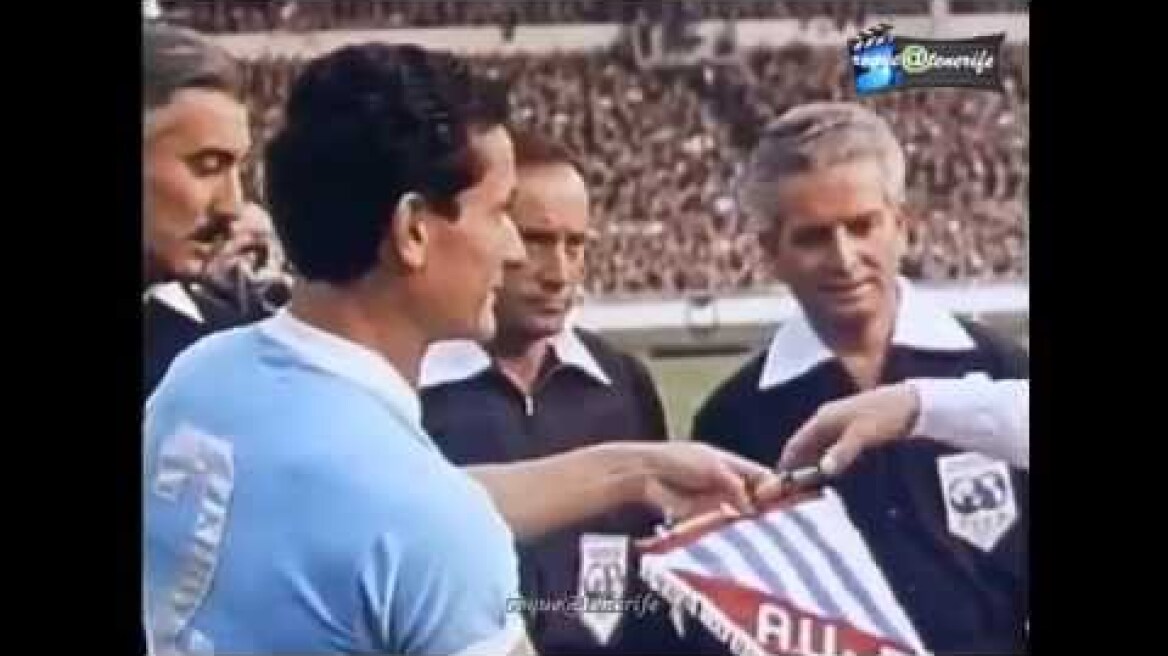
Rivalry between Peñarol and Nacional
Viera began building his football reputation at the age of 14, attracting swift interest from Montevideo club Peñarol, who moved faster than rival side Nacional to secure his signature.
When Viera arrived in Montevideo, Peñarol's president altered the financial terms of the original agreement. The young player refused to accept the revised offer and signed with Nacional the following day.
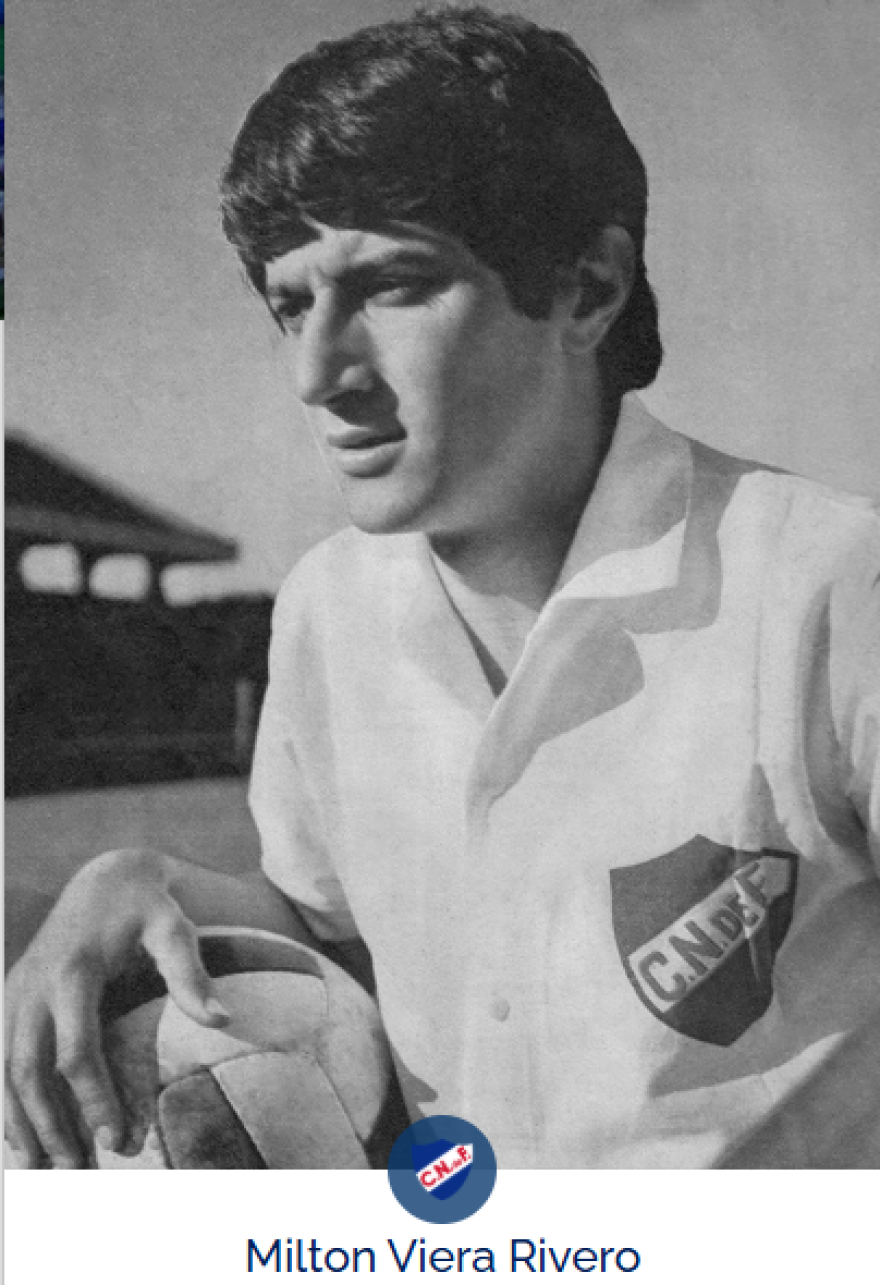
The move ignited a fierce rivalry between Peñarol and Nacional, but Viera's primary struggle during his early months in the capital was being away from his family. In past interviews, Viera admitted that he wept and wanted to leave during his initial months in Montevideo before breaking into the senior squad.
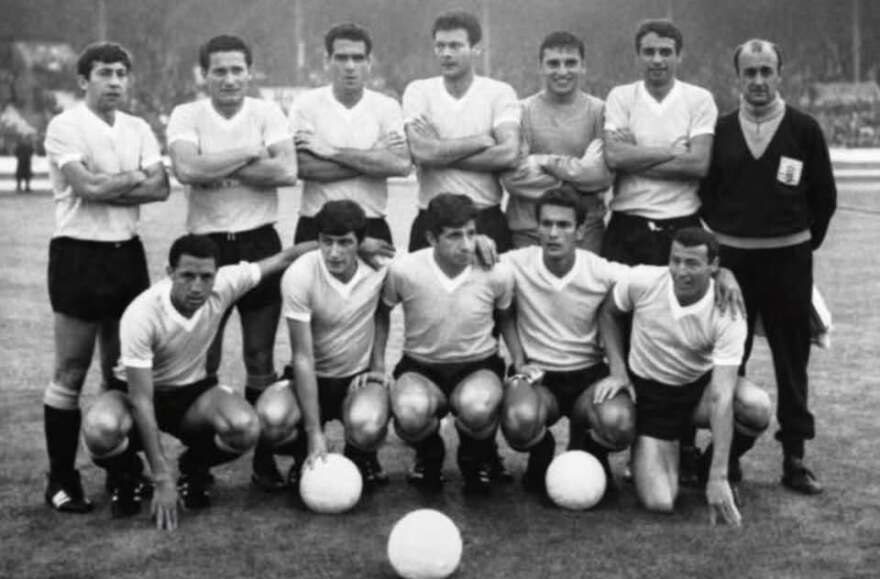
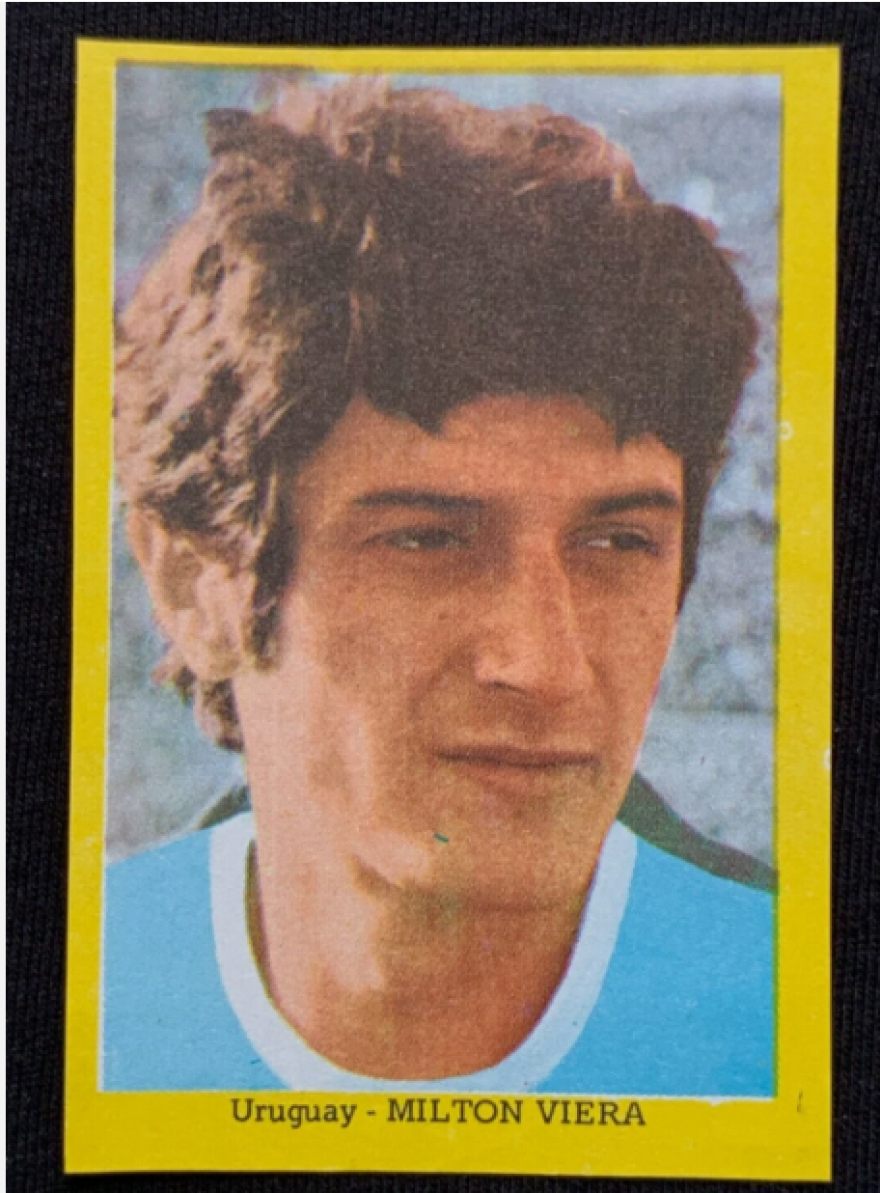
He spent five years at Nacional, establishing himself as a regular in the Uruguayan national team. At the age of 20, he served as the youngest member of the 1966 World Cup squad under manager Ondino Viera, starting three matches during the tournament in England.
Stint at Boca Juniors and return to Peñarol
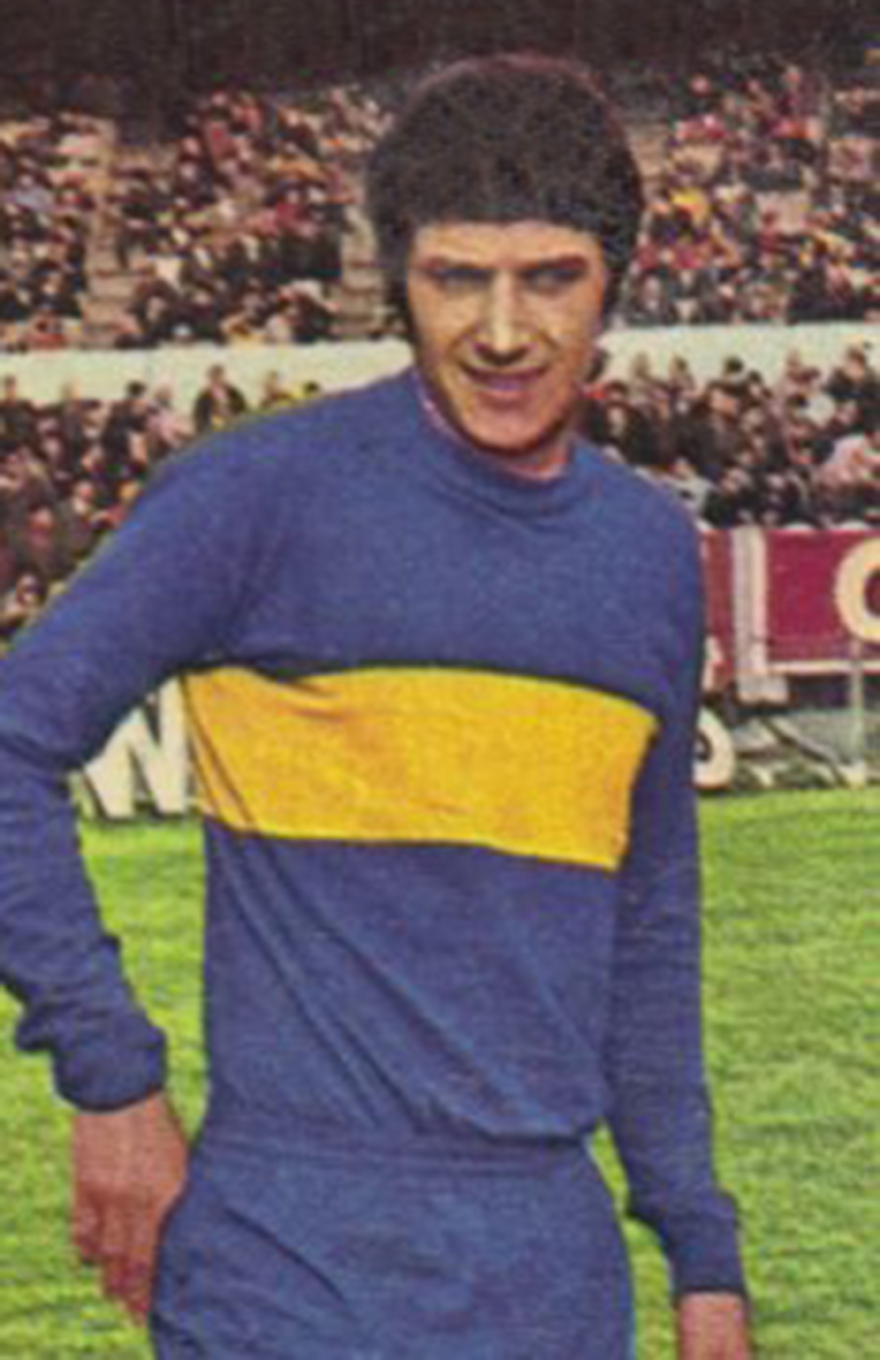
Following his success at Nacional, Viera moved to Argentina to join Boca Juniors in Buenos Aires, though his spell in the capital proved brief.
He made just four appearances for Boca Juniors. Although the arrival of legendary manager Alfredo Di Stéfano promised potential changes, Viera decided to return to Uruguay.
Rather than rejoining Nacional, Viera signed for Peñarol seven years after his initial contract dispute, causing renewed controversy across Uruguayan football. The transfer led to a legal dispute with Nacional, prompting Viera to sever ties with his former club and declare his allegiance to Peñarol.
In an interview a few years ago, Viera explained that he had become a devoted Peñarol supporter alongside all his children. He added that while times had changed, he retained great respect and affection for Nacional as an institution.
Groundbreaking move to Greek football
After a decade in Uruguay's top flight, Viera sought a new challenge in European football. With major transfer markets in Italy and Spain closed to foreign players, an opportunity emerged in Greece, where national leagues permitted up to two foreign players per team.
Nikos Sklavounos, a coach and agent working closely with Olympiacos leader Nikos Goulandris, learned of Viera's desire to play in Europe. Olympiacos completed the transfer in 1972 for a fee of 2.5 million euros.
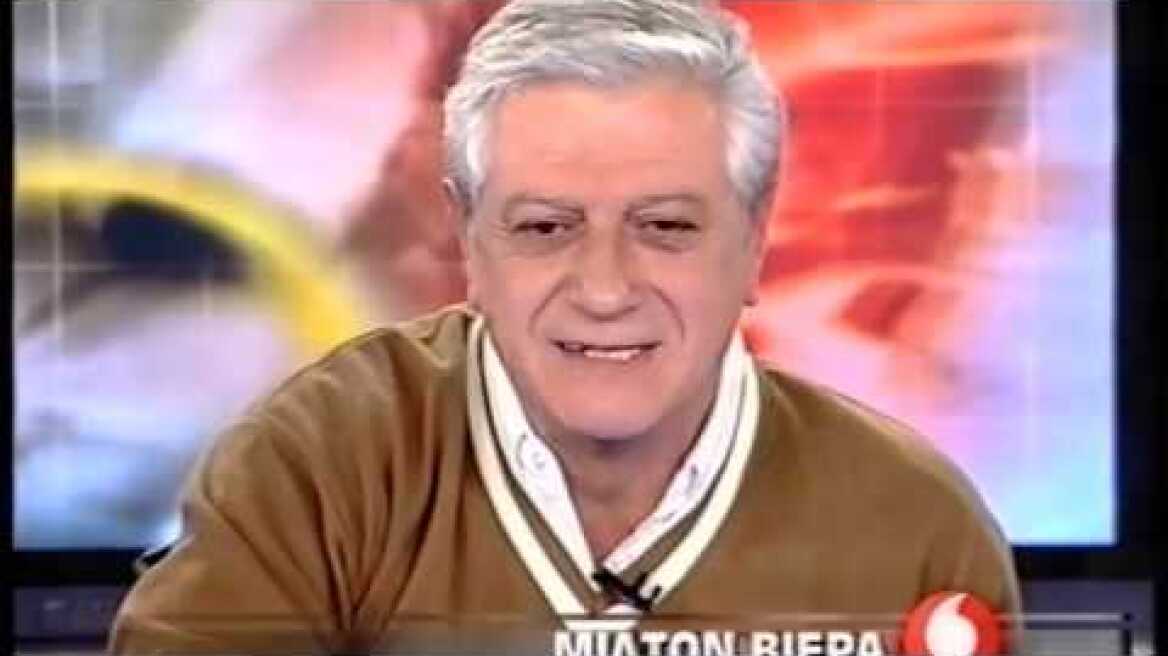
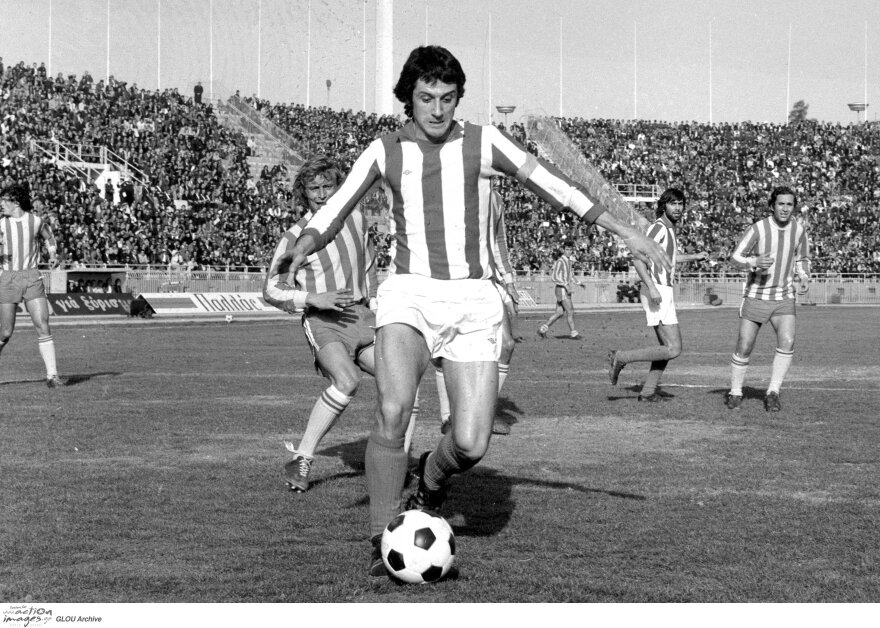
The transfer made Viera the first foreign player in the history of the Greek league to have previously featured in a World Cup tournament.
Success with Olympiacos and AEK Athens
Viera initially struggled to adapt to life in Greece due to the language barrier. Supported by fellow Uruguayan player Julio Losada, Viera learned to speak Greek, and his son Maximiliano was born in the country during his stay.
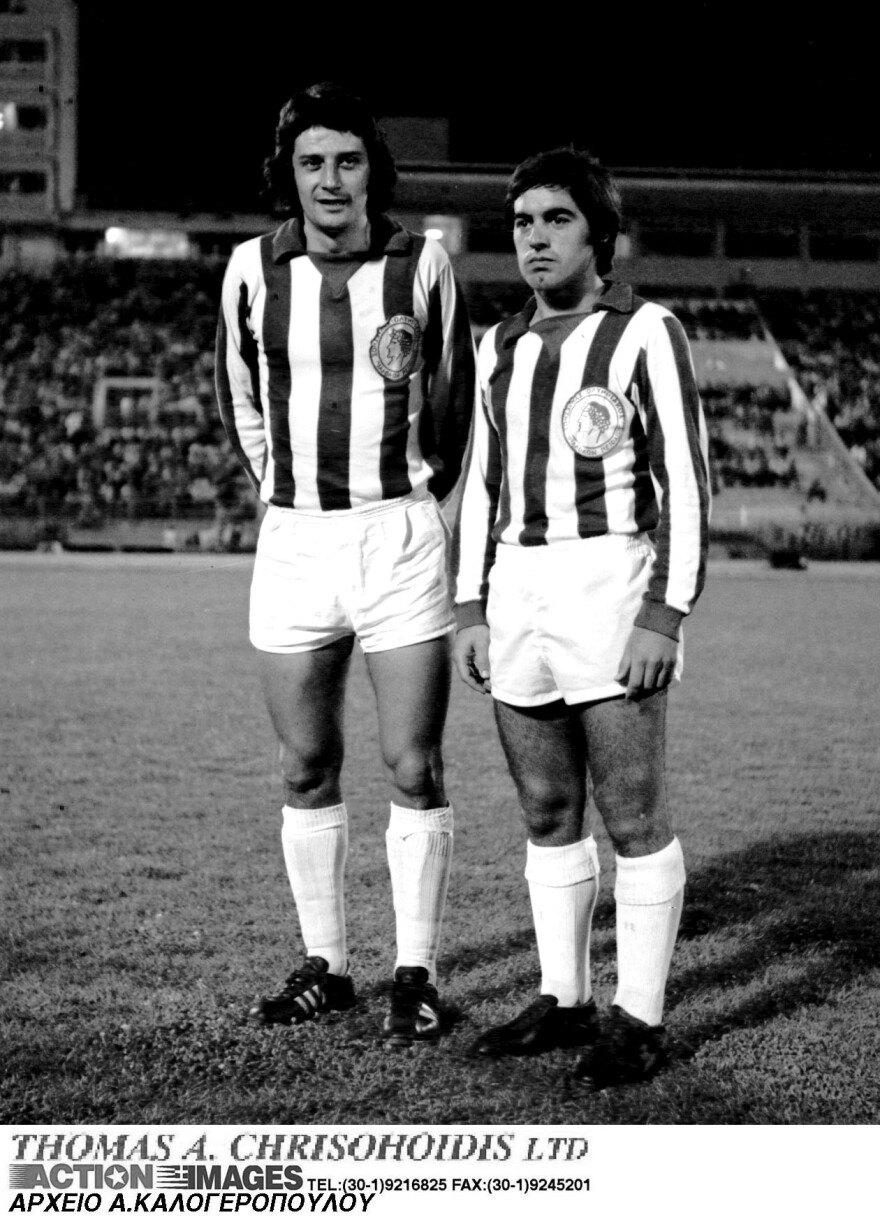
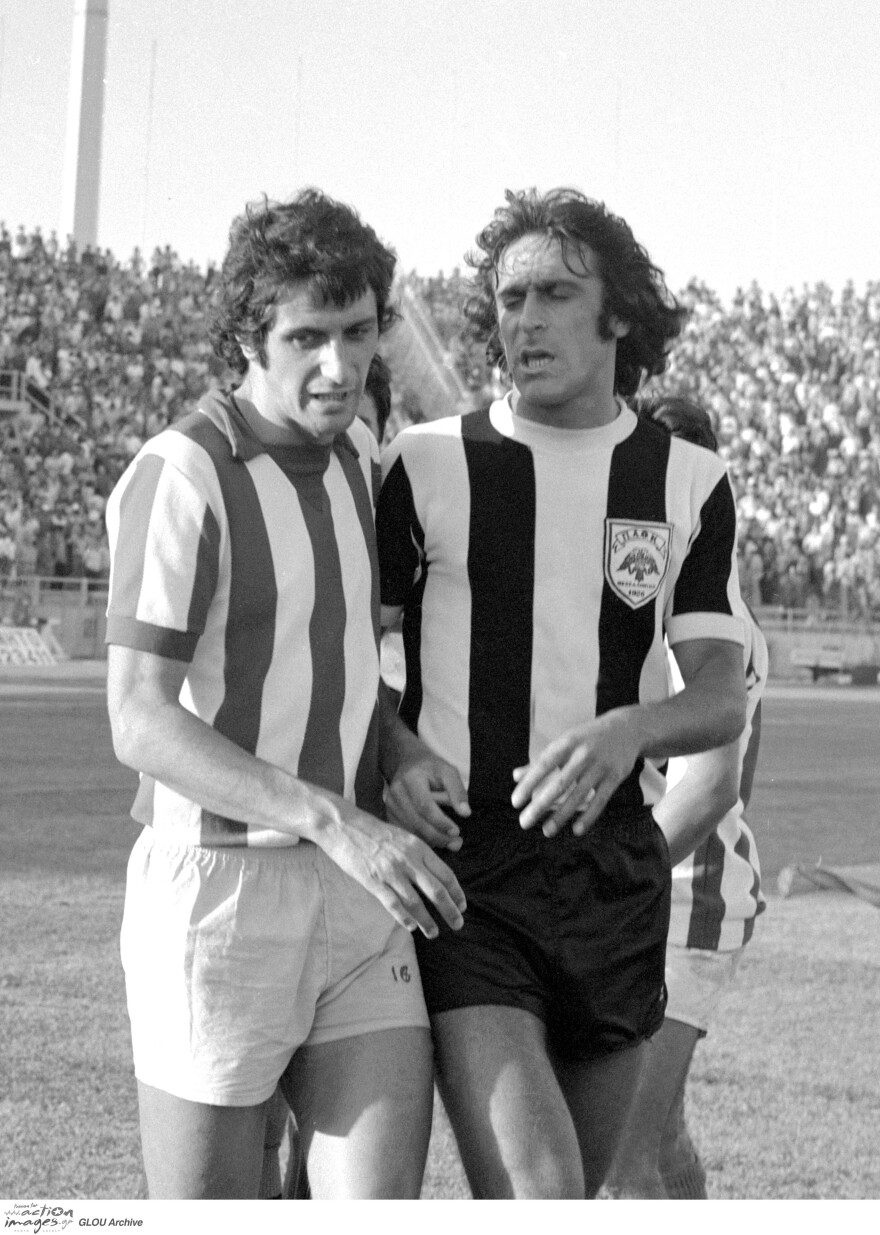
Over five seasons with Olympiacos, Viera helped the Piraeus club capture three consecutive league titles in 1973, 1974, and 1975, along with two Greek Cups in 1973 and 1975.
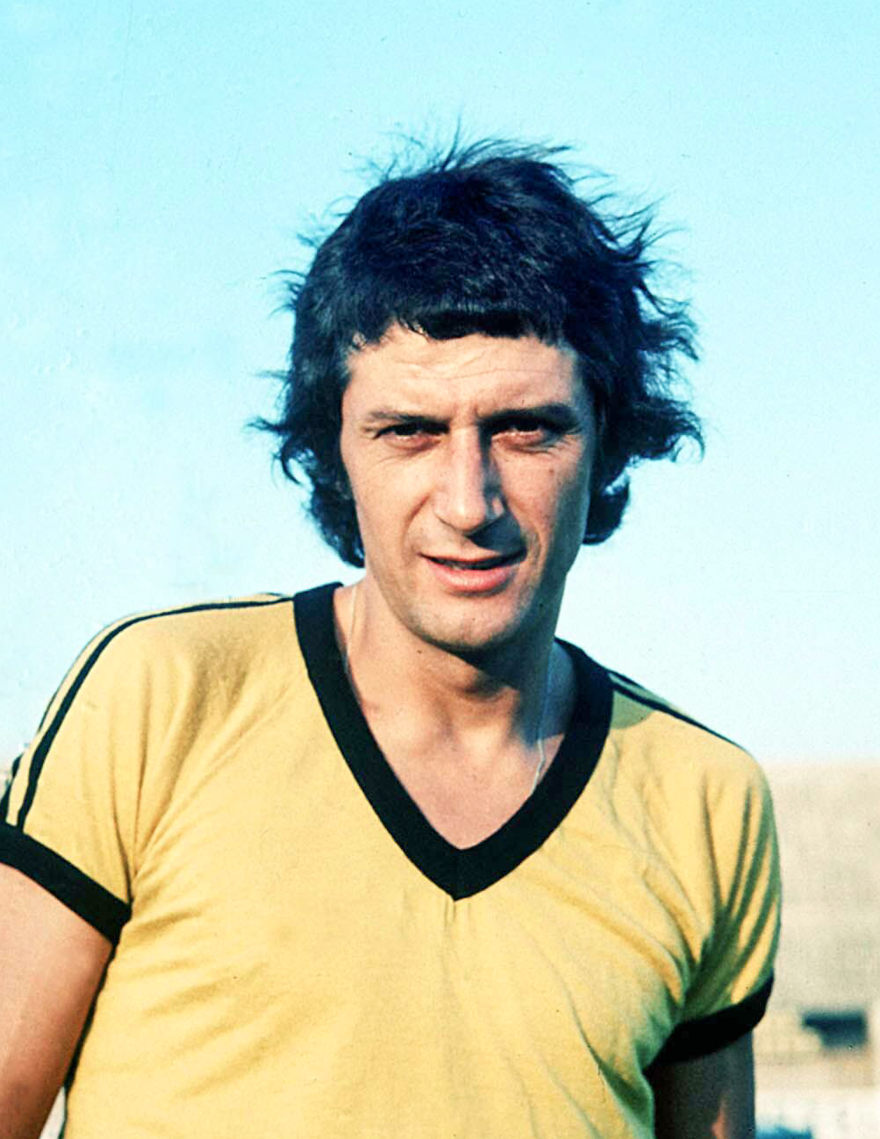
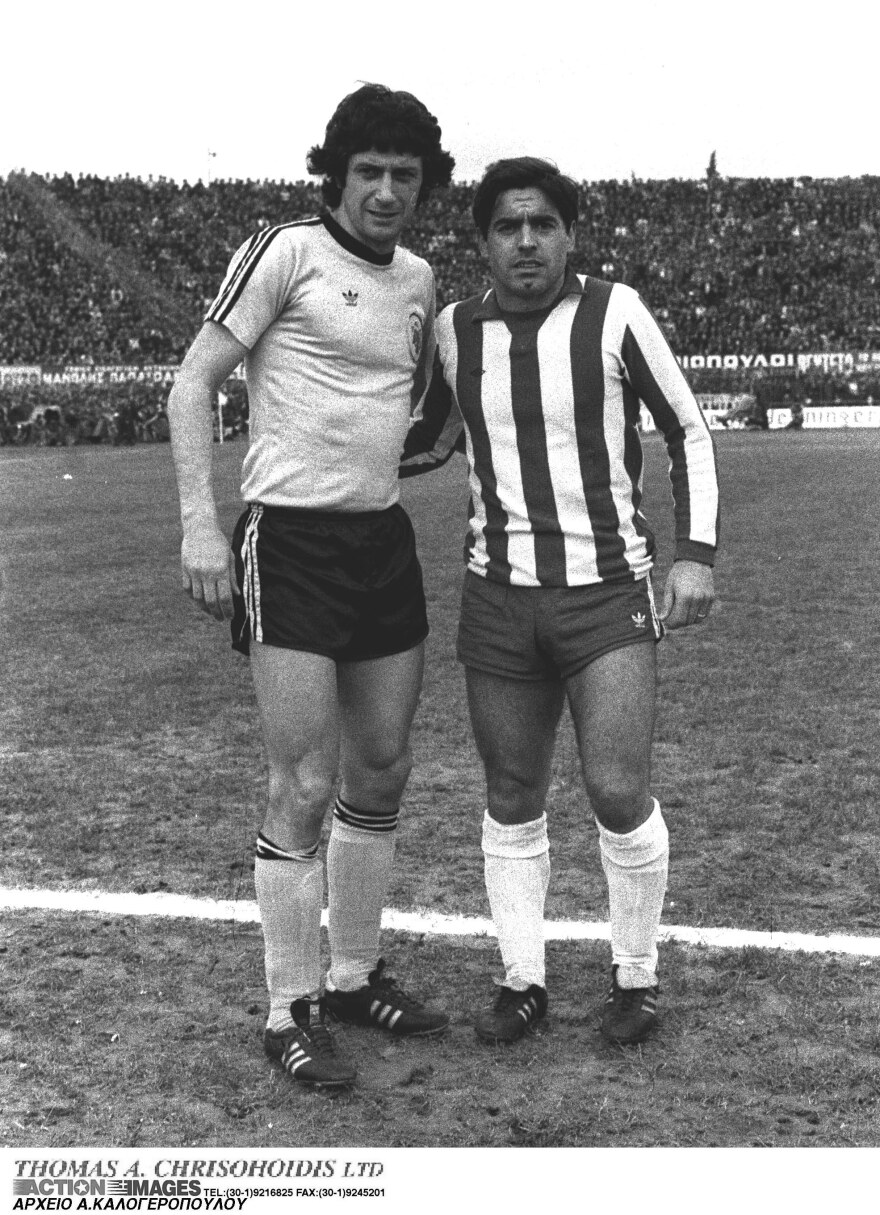
In 1977, Olympiacos released Viera after the club's medical team determined that a severe knee injury would prevent him from continuing. AEK Athens signed the midfielder, and Viera responded by helping AEK win back-to-back league championships in 1978 and 1979, as well as the Greek Cup in 1978.
Retirement and final years
Viera returned to Uruguay to finish his career with Peñarol at the age of 33, but a pelvic injury forced him to retire from professional play. Although he earned a coaching diploma, he chose to remain in football as a player's agent.
In one of his final interviews, Viera reflected on modern football finances, stating that he would be a billionaire if he were playing today and describing current player salaries as unreasonable and unjustified.
Greek fans affectionately nicknamed him Kala-Kala, meaning Good-Good, because he repeatedly answered simple questions with those words before mastering the local language. Olympiacos supporters also celebrated him with the famous stadium chant calling him wind-wind as Viera arrives.


