

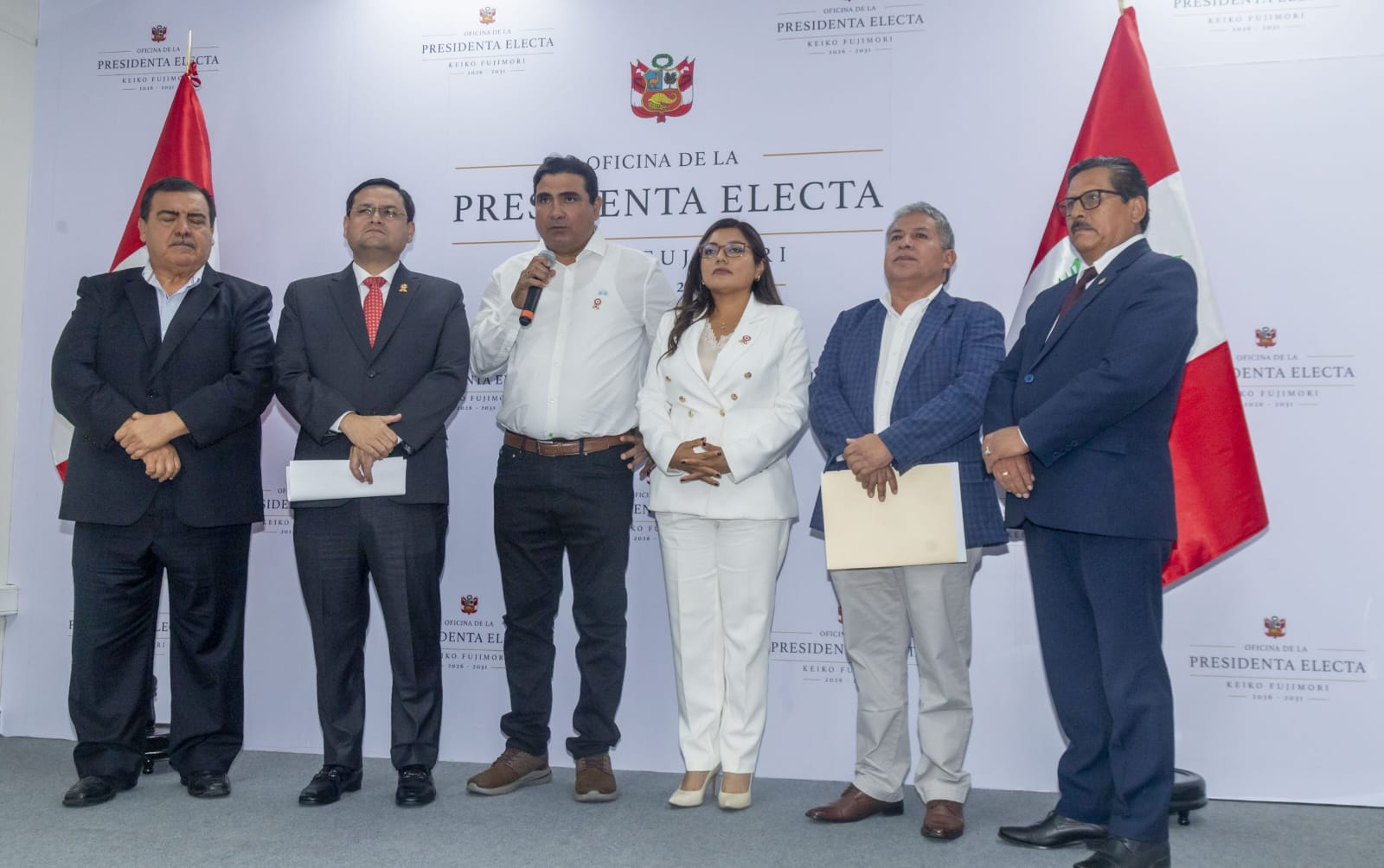
Peru regional governors have rejected calls by Health Minister Luis Dyer to return health and education administration to the central government in Lima.
Dyer sparked criticism during an official visit to the eastern city of Pucallpa after stating that decentralisation had failed and asserting that public health and education functions should return to central management in the capital.
In a formal response, the National Assembly of Regional Governments, known as the ANGR, declared that decentralisation is a permanent and irreversible state policy established under the Political Constitution of Peru.
The assembly argued that transferring administrative authority to regional governments is a fundamental requirement for democratic governance. Regional leaders said that decentralised management brings public services closer to citizens and helps close territorial development gaps across the country.
Peru is divided into 25 administrative regions alongside the province of Lima. The ANGR serves as an official coordination body for elected regional governors, representing regional interests in discussions with the president, central ministers, and the national congress.
National government responsibilities
Responding to Dyer's criticism, the governors noted that key administrative powers in health and education already remain under the control of central authorities. They pointed out that major decisions regarding infrastructure planning and hiring requirements for specialized personnel are still managed from Lima.
The ANGR highlighted that large-scale capital investments are controlled by national programs. The National Health Investment Program, known as PRONIS, formulates and executes major healthcare projects, while the National Educational Infrastructure Program, known as PRONIED, oversees educational building projects.
PRONIS operates directly under the Ministry of Health, known as Minsa, while PRONIED is managed by the Ministry of Education, known as Minedu. Both agencies maintain centralized responsibility for allocating capital expenditure and approving major construction works throughout Peru's provinces.
Peru introduced constitutional decentralisation reforms to distribute governance beyond Lima, which historically concentrated financial resources and administrative control. Under this framework, regional health and education directorates manage local facilities while central ministries set national standards.
Governance and regional development
The regional governors called on Minister Dyer to exercise full leadership over the health sector by establishing national strategies that guarantee access to quality public healthcare for all Peruvians.
The assembly stated that the proper course of action is not to weaken decentralisation, but to strengthen it through effective coordination between national, regional, and municipal levels of government.
Pucallpa, where Dyer made his remarks, is the capital of the Ucayali region in the Peruvian Amazon. Regional officials frequently emphasize that healthcare delivery in inland and rainforest areas requires localized administration tailored to regional geography.
The ANGR concluded that centralism cannot solve Peru's public service challenges, stating that the country is built from its towns, provinces, and regions rather than Lima alone.


