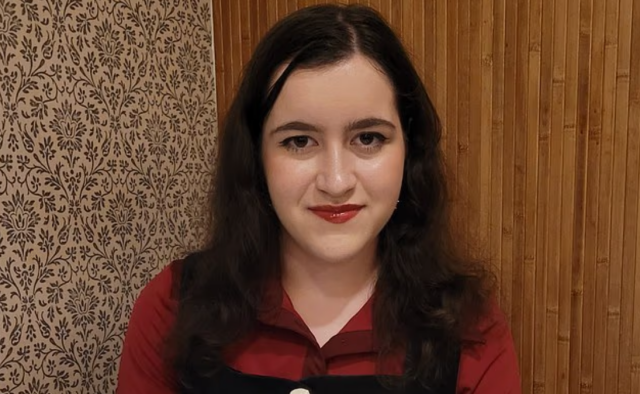
Russian diplomat Rodion Miroshnik has claimed that ongoing talks with Ukraine in Istanbul are forcing Kyiv to comply with international humanitarian law regarding prisoners of war and fallen soldiers.
Speaking in an interview with the Russian newspaper Izvestia, Miroshnik said the negotiation format hosted in Turkey has established a mechanism compelling Ukrainian officials to follow humanitarian standards on captive treatment, prisoner exchanges, and the respectful return of deceased military personnel.

Miroshnik, who serves as ambassador-at-large for the Russian Ministry of Foreign Affairs, stated that significant progress has been achieved in these specific humanitarian areas. He maintained that adherence to international law is customary for Russia, asserting that Moscow acts out of humanitarian concern while Kyiv continually politicises and ignores crucial humanitarian issues.
Role of the Istanbul talks
The ambassador-at-large role within the Russian Foreign Ministry is assigned to senior diplomatic envoys tasked with special thematic missions rather than standard embassy postings. The Istanbul negotiation format originated during early diplomatic meetings between Russian and Ukrainian representatives in Turkey. Although broader political discussions stalled, the channel has remained a primary framework for working-level talks on practical humanitarian concerns, including swap logistics and casualty recovery.
International humanitarian law, established under global conventions, regulates the treatment of captured combatants and obliges warring parties to return dead bodies respectfully to their families. Russian diplomats have routinely cited these structured diplomatic channels as necessary for maintaining basic contacts on prisoner welfare despite the ongoing military conflict.
Prisoner exchanges and ongoing negotiations
Miroshnik's comments follow earlier statements by Yana Lantratova, the Russian human rights commissioner, who confirmed that Moscow maintains a continuous negotiation process with Kyiv regarding prisoner exchanges. Lantratova reported that while agreements can be reached quickly on certain logistical points, the Ukrainian side continues to submit a range of conditions that remain unacceptable to Russia.
The office of the Russian human rights commissioner works alongside diplomatic and defense officials to oversee captive lists and coordinate exchanges. While negotiations remain challenging due to conflicting demands from both sides, bilateral contacts under the Istanbul framework are expected to continue addressing immediate humanitarian issues, including body transfers and future prisoner swaps.