

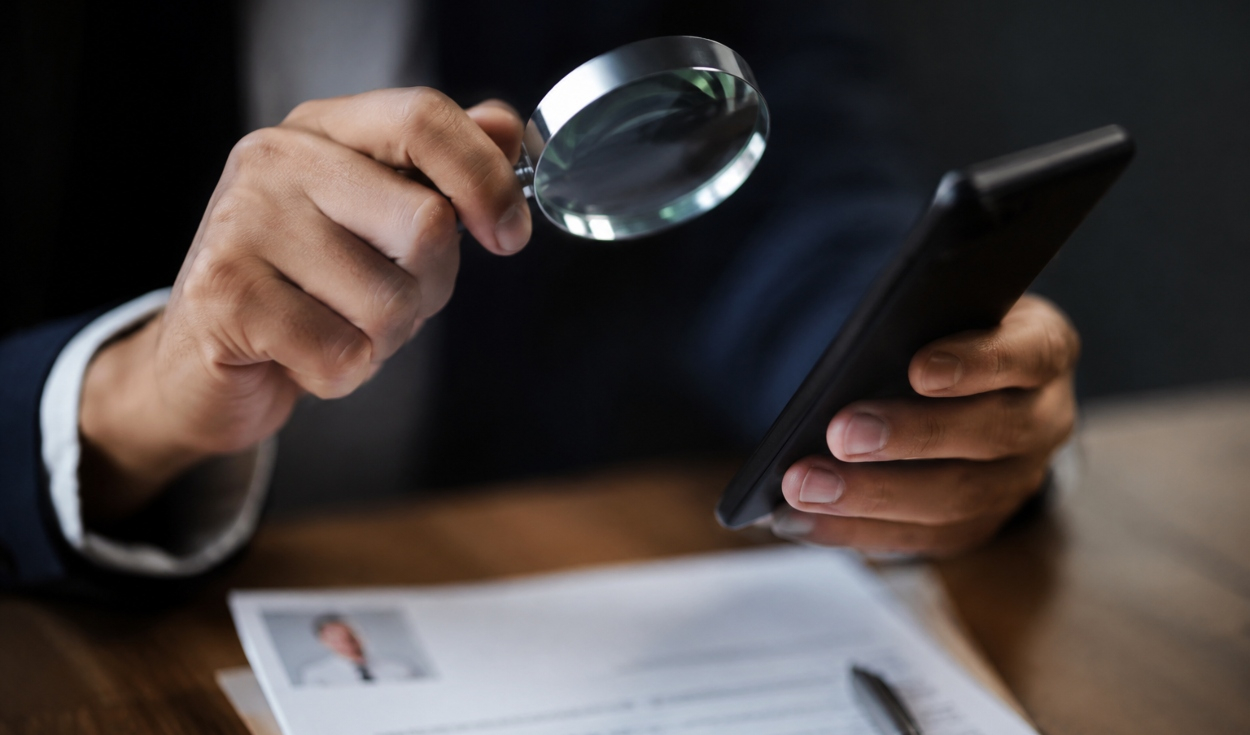
A Bumeran study shows that 48 percent of Human Resources specialists review candidates' social media profiles during selection processes, an eight percentage point increase from 2025. The survey gathered data from 3,503 workers and HR specialists across Peru, Argentina, Chile, Ecuador, and Panama to analyze how personal online content affects professional careers.
Among the specialists who inspect candidates' public profiles, 52 percent state that they want to learn about the applicant's personality and interests. Another 52 percent focus on assessing online reputation, while 30 percent aim to identify potentially controversial behavior.
Professionalism is another key factor for recruiters. The report indicates that 26 percent of specialists review social media to evaluate professionalism, and another 26 percent check whether candidate details remain consistent with what appears on their public accounts.
Self-censorship and work consequences
Online reputation concerns extend beyond job applicants to current employees. In Peru, 63 percent of surveyed workers state that they control what they post on social media out of fear that a publication could harm their careers.
Similar levels of self-censorship appear in other surveyed countries. In Chile, 64 percent of workers filter their posts, followed by Ecuador and Panama at 63 percent, and Argentina at 57 percent.
The study shows that online activity has already generated real workplace fallout. Overall, 35 percent of workers report having experienced or witnessed a situation where personal social media use caused negative professional consequences, down four points from 39 percent in 2025.
Among respondents who reported such incidents, 79 percent said the situation happened to someone in their work or personal circle, while 21 percent stated that it happened directly to them.
Deterioration of professional reputation was the most common result, cited by 59 percent of affected respondents who noted a loss of trust and credibility. Other consequences included loss of promotion opportunities at 34 percent, loss of employment at 22 percent, changing career fields at 10 percent, and loss of clients or potential clients at 9 percent.
Employee monitoring and lack of company rules
Surveillance of current staff accounts has also grown over the past year. 38 percent of Human Resources specialists report monitoring employee social media accounts, up 13 percentage points from 25 percent in 2025.
Within the monitoring group, 50 percent check accounts across the entire organization. Meanwhile, 33 percent target specific individuals such as spokespeople or representatives, and 17 percent focus on executive and managerial staff.
Despite high interest in employee profiles, formal corporate guidelines remain rare. The study highlights that 93 percent of workers say their employer has no specific policy governing personal social media use, with only 7 percent having received formal guidance.
Recruiters confirm this gap, as 81 percent of HR specialists acknowledge that their organizations lack specific rules. However, 78 percent of specialists believe certain posts can hurt a worker's position, and 85 percent believe personal comments can affect workplace culture or corporate image.
Employer reactions and worker opinions
When problematic posts occur, HR managers handle them in different ways. 29 percent of specialists say they would advise the employee on responsible use while respecting their personal space.
Another 21 percent say action depends on severity, ranging from informal talks to termination. Additionally, 21 percent would use the incident to review internal policies, while only 18 percent would offer specific training.
Workers hold strong views regarding social media evaluations by employers. 61 percent of surveyed workers consider it wrong for organizations to evaluate personal social media accounts, while 39 percent believe companies should do so.


