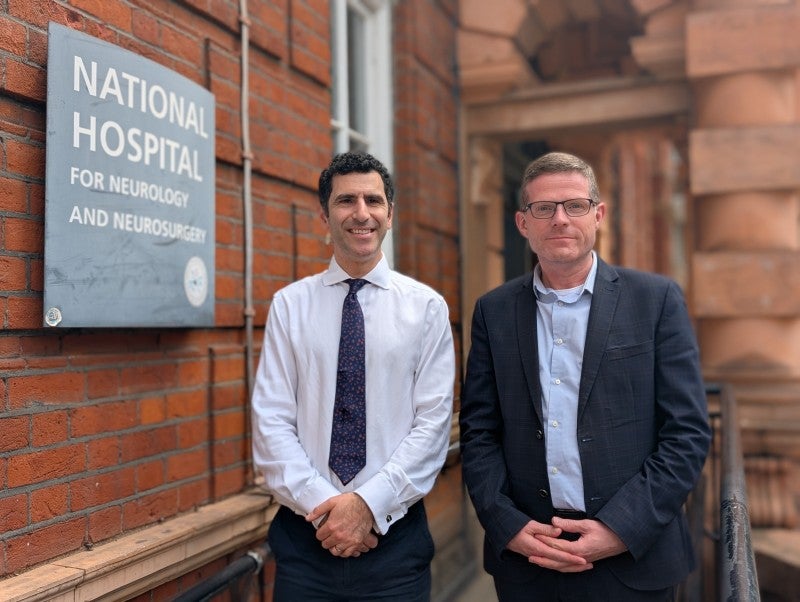
Surgeons at the National Hospital for Neurology and Neurosurgery in London have successfully removed a brain tumour from a 48-year-old man using artificial intelligence.
The operation on Rhys Hibbert marks the first time a patient has undergone an AI-assisted surgery of this kind in the United Kingdom. Doctors said his vision would have been almost entirely lost to blindness without the procedure.
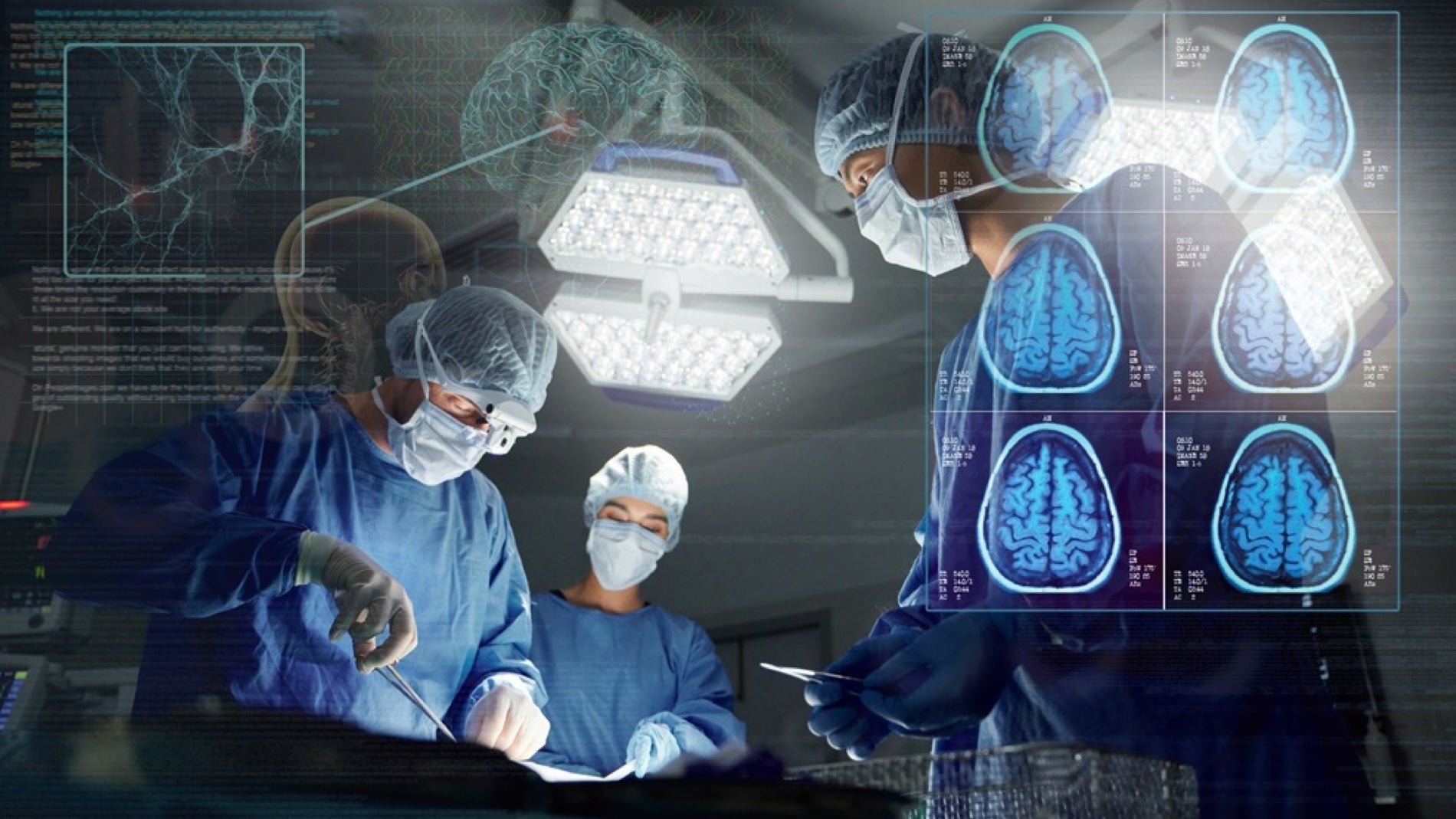
The artificial intelligence system analysed a live video feed of the operation as it happened rather than relying on preoperative scans. This allowed the surgical team to make precise decisions based on the critical structures of the brain.
High risk of blindness
The procedure involved navigating an extremely complex area of the brain where the pituitary gland, blood vessels and the nerves that control vision sit very closely together. The pituitary gland is a small structure at the base of the brain that regulates important body functions.
A mistake of a single millimetre in this tightly packed area could have caused a stroke, blindness or death. The artificial intelligence assisted the surgical team by identifying risk areas to avoid while helping them remove as much of the tumour as safely possible.
The technology also tracked surgical instruments and their interactions with brain tissue. This ensured the surgeons had all the necessary information readily available during the operation.
Medical technology trial
Consultant neurosurgeon Hani Marcus and surgical resident Danyal Khan led the operation. Marcus also serves as a professor of neurosurgery. The patient said he was pleased to receive this type of care and to be the first person in the world to participate in such research.
Health Innovation Minister James Frith praised the achievement. Frith said the operation represented artificial intelligence at its very best, delivering innovative medical care that was once considered unimaginable.
Major research funding
The system was developed at the University College London Hawkes Institute by a multidisciplinary research group focused on advancing health technologies. University College London is a major public research university.
Dr Sophia Bano, an associate professor of robotics and artificial intelligence at the university, served as the technical lead for the project. The system runs on the NVIDIA Clara IGX platform, which provides real-time artificial intelligence support designed specifically for medical devices. NVIDIA is a global technology company known for developing hardware that powers artificial intelligence applications.
The clinical trial received funding from the National Institute for Health and Care Research, the government body that funds public health research in the United Kingdom, alongside support from Google. The work was also backed by the Royal College of Surgeons, an independent professional body that advances surgical standards, as well as biomedical research institutes.