Ukrainian F-16 fighters have destroyed more than 2,500 Russian Geran and Gerbera drones, but air power expert Justin Bronk says using jets against cheap targets consumes an unsustainable amount of flight hours and air-to-air missiles. Writing in an analysis for the Royal United Services Institute, Bronk noted that shooting down low-cost enemy aircraft does not always improve a defender's overall position.
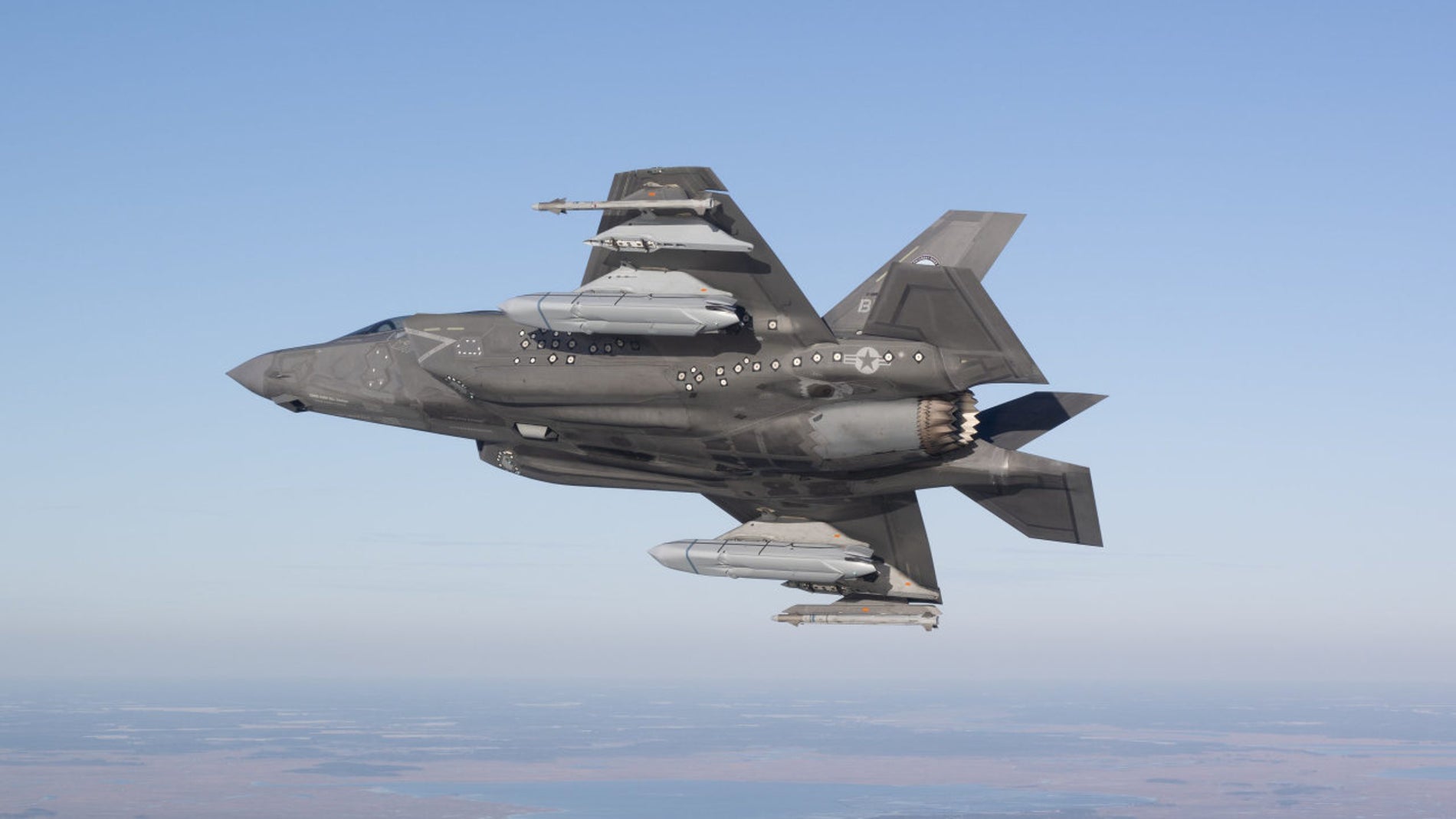
Ukraine has faced continuous operational pressure since Russia began launching large waves of one-way attack devices and decoys. Western fighters have achieved numerous shootdowns, but each sortie accelerates the aircraft toward major maintenance overhauls. An attacker can replace a destroyed drone far more easily than a defender can replace a fighter jet.
To preserve fighter fleet availability, Ukrainian forces divide incoming targets among different defensive systems. Machine guns, anti-aircraft cannons, portable missiles, interceptor drones, helicopters, and propeller aircraft cover threats that do not justify employing an F-16 or a Mirage 2000-5.
Hidden Aircraft Wear and Maintenance Costs
A fighter jet requires a runway, fuel, technical personnel, and replacement parts to operate. When an airframe accumulates flight hours, it must enter maintenance facilities for overhauls even if it suffered no combat damage. Consumed flight hours cannot return to inventory through urgent purchases.
Aircraft availability drops while a jet remains in maintenance, occurring just as attack waves continue and the remaining fleet must take on additional sorties. Swarm defense aims to distribute the response so each layer handles targets at an acceptable cost, protecting resources that are not replenished at the same rate.
Ukrainian pilots have used 20-millimeter cannons and AGR-20 rockets to reserve their most capable missiles. Breaking Defense reported Bronk's warning about the risk of approaching small, slow targets at high speed, noting that explosion fragments can strike the interceptor itself.
Layered Defense Network and Inventory Management
Cheap ground-based systems form the foundation of Ukraine's defensive coverage, deployed in depth to increase the probability that a drone passes through their range. That density reduces pressure on missile batteries, while electronic interference offers another method to divert guided munitions.
The aerial layer remains necessary because cruise missiles are faster and more destructive, requiring advanced assets that simple interceptors cannot replace. By employing propeller aircraft against slower devices, Ukrainian forces reserve their fighters for priority targets. A passive anti-drone system expands defensive options without forcing operators to emit signals that reveal their position.
Russia produces more than 6,000 one-way attack devices per month, according to data cited by Bronk. That manufacturing scale turns every sortie into an inventory decision, as an immediate shootdown can prove costly weeks later when a threat appears that only a fighter jet or advanced missile can reach.