Spanish Army Brigadier General Zacarías Hernández Calvo has warned that artificial intelligence, drones, and electronic warfare have stripped away surprise from modern battlefields.
Writing in an international security analysis, the senior commander said the convergence of autonomous systems and hyperconnected sensors has transformed military operations in Ukraine, creating a battlefield that is transparent and lethal.
General Hernández Calvo, who holds a doctorate in international law, said the massive integration of low-cost commercial and military technology is redefining international security and accelerating the largest technical transformation in centuries.
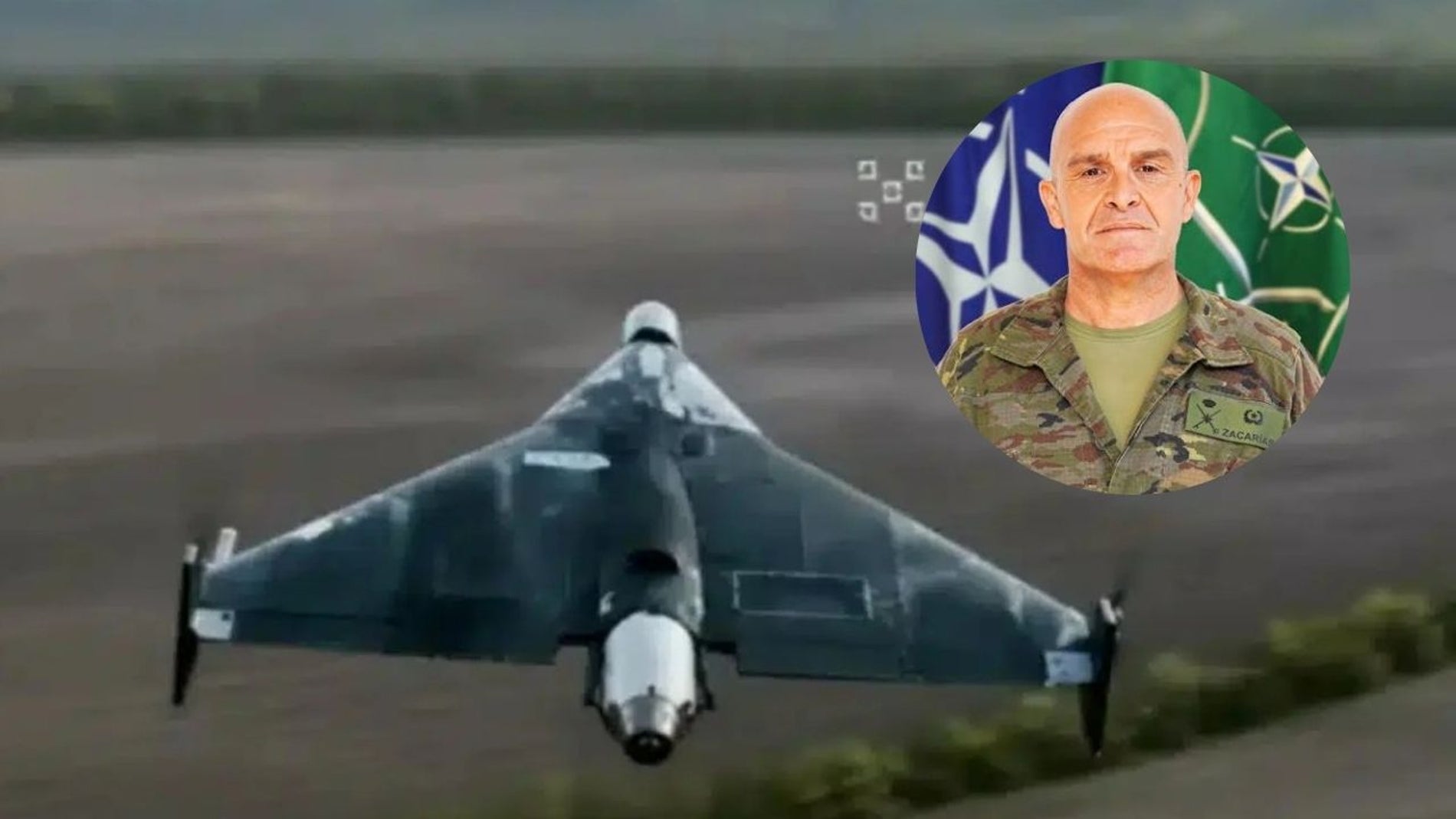
Proving Ground in Ukraine and Gaza
In his analysis published on April 24, the general noted that the ongoing conflict between Russia and Ukraine has become a proving ground for future warfare, offering a glimpse of coming military and political developments.
He wrote that intelligent systems and autonomous platforms first demonstrated their potential during the wars in Gaza and Ukraine, forcing military leaders to rethink troop mobility and protection.
Modern commanders can no longer imagine a battlefield without fleet drones, real-time data processing, and specialized online personnel taking part in military campaigns.
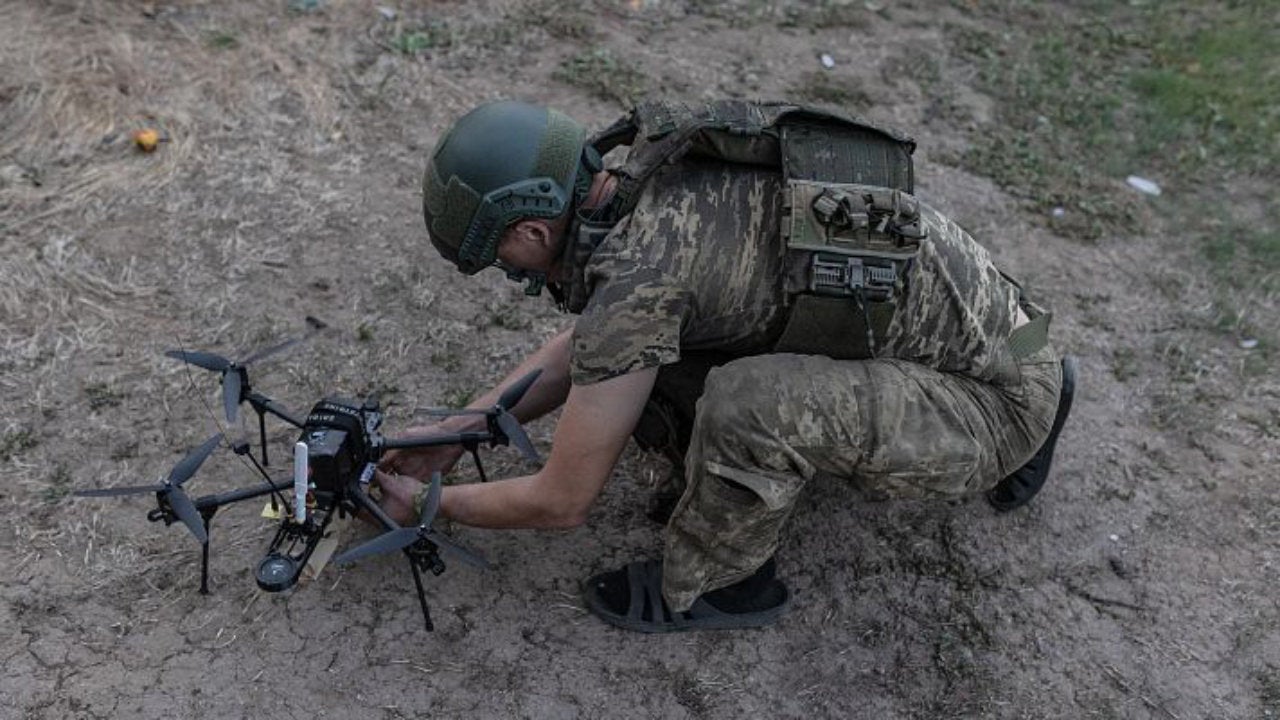
Many of these modern operations depend on algorithmic systems, such as those developed by data analytics company Palantir Technologies, to manage real-time information flow.
Strategic Imbalance and Attrition Warfare
General Hernández Calvo stated that artificial intelligence data processing combined with electronic warfare allows high-precision destructive attacks without massive financial investments.
He explained that the core of modern warfare lies in the economy of quantity rather than purely high-tech sophistication.

In Ukraine, cheap offensive drones force defenders to deploy far more expensive interceptor missiles, creating a strategic imbalance that favors Russia in a war of attrition.
Related international defense reports note that thousands of artificial intelligence drones are set to monitor NATO borders under strict restrictions forbidding them from firing weapons.
United Nations expert Jimena Viveros has separately warned that potential drone damage could reach levels of destruction comparable to weapons of mass destruction.
General Hernández Calvo concluded that military doctrine must learn to operate in an environment saturated with continuous threats, adding that innovation is no longer optional but a requirement for strategic survival.